

wellness
Sleep Technology That Helps You Wind Down

Nov
The last hour before bed often looks less restful than it feels: one more email, a bright phone screen, tight shoulders from sitting all day, and a mind still replaying tomorrow’s to-do list. Sleep technology is not a magic switch that guarantees eight perfect hours. Used thoughtfully, though, it can help turn that overstimulated transition into a routine your body recognizes as time to slow down.
For screen-heavy professionals, busy parents, frequent travelers, and anyone carrying stress in their head, eyes, neck, or shoulders, the right tools can make at-home relaxation feel far more intentional. The goal is simple: reduce the friction between a demanding day and a calmer night.
What Sleep Technology Can Actually Do
Sleep technology covers a wide range of devices and apps, from wearable sleep trackers to sound machines, smart lighting, temperature-control systems, and massage devices designed for pre-bed relaxation. These tools generally work in one of two ways: they either shape your sleep environment or help your nervous system settle before you get into bed.
That distinction matters. A tracker may show when you woke up, but it cannot relax a clenched jaw or soothe tired eyes after nine hours of video calls. A warming eye massager or gentle head massage, on the other hand, may create a comforting ritual that helps you step away from work mode. Neither category replaces healthy sleep habits, but each can support them in a different way.
The best choice depends on the problem you are trying to solve. If street noise keeps pulling you awake, sound masking may be useful. If you wake overheated, temperature is the more relevant lever. If your biggest issue is that you cannot mentally disengage at bedtime, relaxation-focused devices and a repeatable wind-down routine may offer more value than another dashboard full of sleep scores.
Start With the Part of Sleep You Can Influence
You cannot force sleep. Trying harder often has the opposite effect. What you can do is create reliable signals that make rest easier: dimmer light, less stimulation, physical comfort, and a consistent sequence that separates the day from the night.
Use light to tell your brain the day is ending
Your internal clock responds strongly to light. Bright overhead bulbs and close-up screens late at night can make it harder to feel naturally sleepy, especially when you are scrolling through emotionally charged content or answering work messages.
Smart bulbs, sunset-style lamps, and device settings that reduce blue-toned light can help create a softer evening environment. The benefit is not that a particular color instantly puts you to sleep. It is that lower, warmer lighting makes your space feel less like an office and more like a place to recover.
Try changing your lighting 60 to 90 minutes before bed rather than waiting until you are already exhausted. Pair it with one low-effort habit, such as making tea, stretching, or setting out clothes for the next morning. Repetition gives the routine its power.
Let sound support, not distract from, rest
Sound machines and sleep audio can be especially helpful when your environment is unpredictable. Steady white noise, brown noise, rainfall, or fan-like sounds can soften sudden noises that might otherwise pull you out of light sleep.
There is no universally best sound. Some people find white noise too sharp, while others prefer the deeper tone of brown noise. If guided meditations keep your attention active, a nonverbal soundscape may work better. Keep the volume low enough that it blends into the room rather than demanding your focus.
Address the tension you bring to bed
Sleep struggles are not always caused by the bedroom. Sometimes they begin hours earlier with eye strain, headaches, muscle tension, and the constant alertness of being reachable all day. When your body still feels switched on, simply lying down can feel frustrating.
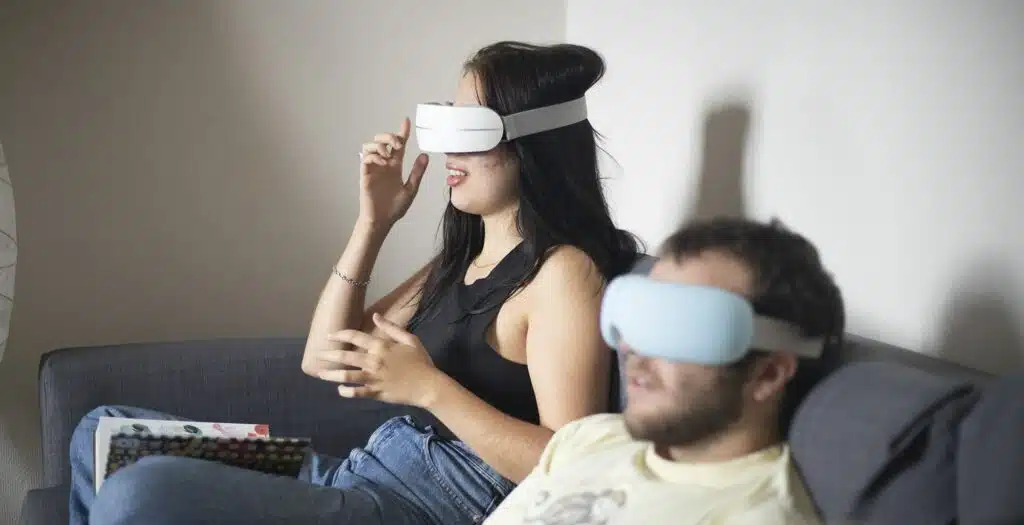
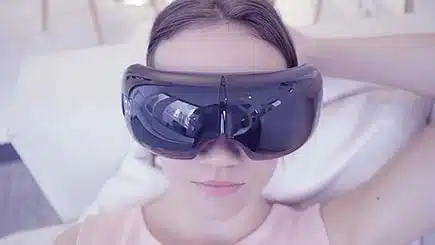
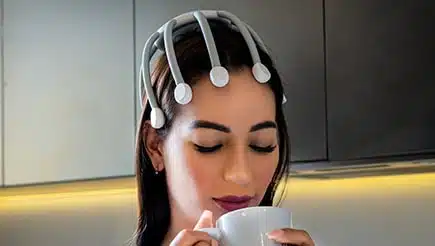
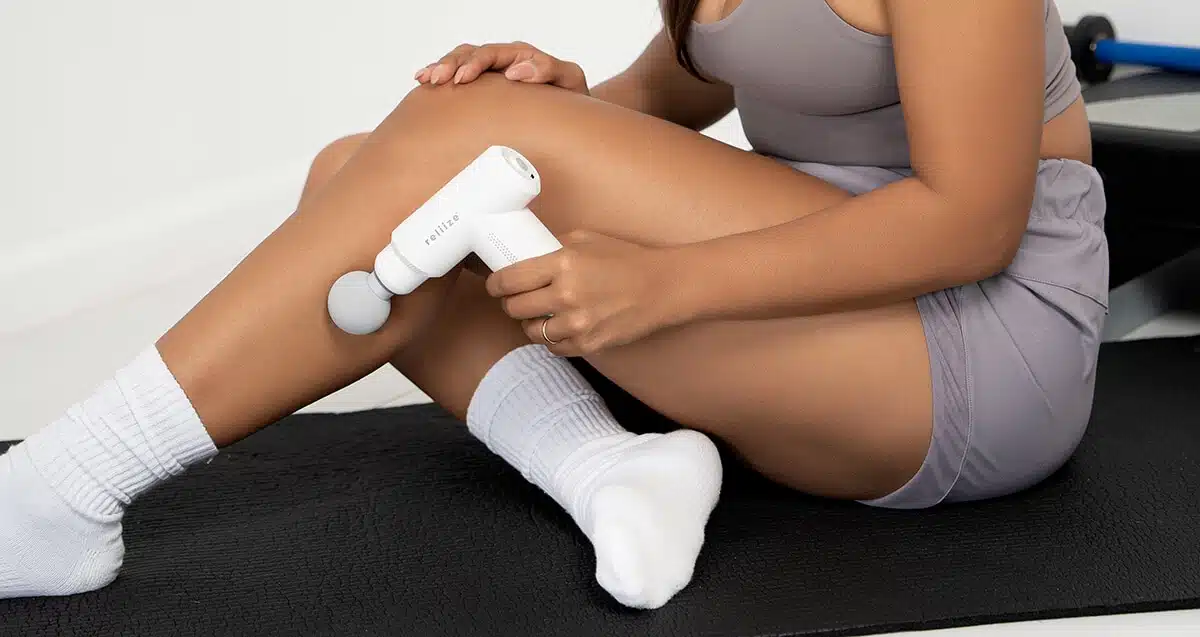
This is where recovery tools can earn a place in a nighttime routine. Gentle heat, air compression, vibration, or kneading massage can provide a clear physical cue to pause. An eye massager may be especially appealing after prolonged screen use, while a head massager can help create a quiet, spa-like moment without leaving home. Reliize designs smart recovery devices around that practical need for accessible, end-of-day relief.
Keep pre-sleep massage comfortable and calming. Intense percussion, very high heat, or a vigorous workout-style treatment may feel energizing for some people, especially if used immediately before bed. A lighter setting and a short session are usually a better fit for winding down.
Are Sleep Trackers Helpful or Stressful?
Wearables and under-mattress sensors can estimate sleep duration, movement, heart rate trends, and sometimes breathing patterns. Over several weeks, that information can reveal useful patterns. You may notice that late caffeine, alcohol, irregular bedtimes, or a warm room consistently line up with rougher nights.
But the data is an estimate, not a verdict on your health or effort. Consumer devices are not as precise as a clinical sleep study, and sleep-stage labels should be treated with caution. Most people benefit more from looking at broad trends than obsessing over whether they received enough deep sleep on a single Tuesday.
If a low score makes you anxious before the day even starts, take a break from tracking. There is a real phenomenon called orthosomnia, where the pursuit of perfect sleep data becomes a source of sleep anxiety. Technology should reduce pressure, not give you another performance metric to manage.
A useful approach is to check patterns once a week. Ask practical questions: Do I feel more rested when I keep a stable wake time? Does my wind-down routine help me fall asleep more easily? Do I wake less often when the room is cooler? Those answers are more actionable than chasing a flawless score.
Build a Night Routine You Will Actually Keep
The most effective sleep setup is rarely the most complicated one. It is the one that still works when you have had a long day and little motivation left. Start with a routine that takes 15 to 30 minutes, then make it easy to repeat.
Begin by putting your phone on charge away from the bed or setting a clear cutoff for work messages. Lower the lights and adjust your room to a comfortable temperature. Then choose one calming tool: a sound machine, a short guided breathing session, an eye or head massage, or a few minutes of gentle stretching.
Avoid turning your routine into a long checklist. You do not need a sleep tracker, smart mattress, sunrise alarm, app subscription, and five recovery devices to sleep better. One or two tools used consistently will usually do more than a drawer full of expensive gadgets used once.
Timing is personal, too. Some people love a warm shower followed by a relaxation device. Others prefer massage earlier in the evening and a completely quiet final half hour. Test one change at a time for at least several nights so you can tell what is genuinely helping.
When Technology Is Not the Whole Answer
Persistent insomnia, loud snoring, gasping during sleep, severe daytime sleepiness, or frequent morning headaches deserve professional attention. Sleep technology can support comfort and awareness, but it cannot diagnose or treat conditions such as sleep apnea, chronic insomnia, or certain mood and medical concerns.
It also helps to protect the fundamentals: a consistent wake time, morning daylight, regular movement, and reasonable caffeine timing. These habits are less flashy than a new device, but they shape the conditions in which any sleep tool has a better chance to work.
Your evening does not need to be perfect to be restorative. Choose technology that makes you feel less wired, more comfortable, and more willing to keep your wind-down promise to yourself. A calmer night often starts with one small signal that the day is allowed to end.
