



wellness
At Home Recovery Routine Example That Works

Jul
You do not need a full spa day, a stack of appointments, or a perfect schedule to feel better in your body. A strong at home recovery routine example can be as simple as 20 to 40 intentional minutes that help you release tension, calm your nervous system, and recover from the stress that builds up from workouts, desk time, poor sleep, and nonstop screen use.
The real win is consistency. Most people do better with a routine they can repeat three or four times a week than with an elaborate reset they only manage once a month. If your neck is tight, your eyes are tired, your legs feel heavy, or your mind will not fully power down at night, a home-based routine can make a noticeable difference when the steps match what your body actually needs.
Why an at home recovery routine example matters
Recovery is not only for athletes. It matters just as much for people who sit too long, stare at multiple screens, carry stress in their shoulders, or wake up feeling like they never fully rested. The body keeps score in subtle ways – headaches, jaw tension, sore calves, poor focus, low energy, and that wired-but-tired feeling at the end of the day.
A good recovery routine helps shift you out of that cycle. It supports circulation, encourages muscle relaxation, reduces sensory overload, and creates a transition from performance mode to repair mode. That does not mean every tool works for every person, though. Some people respond best to heat, others need percussion, and some need a mix of physical relief and mental decompression.
That is why the best routine is not the most intense one. It is the one you will actually use, and the one that leaves you feeling better rather than overstimulated.
A practical at home recovery routine example
If you want a simple starting point, use this routine in the evening or after a workout. It is designed for busy adults who want relief without overthinking the process.
Step 1: Start with heat to signal your body to slow down
Begin with 5 to 10 minutes of heat. This can be a warm shower, a heating wrap, or a device that provides controlled warmth. Heat helps loosen tight muscles and can make the rest of the routine more effective because the tissue is more relaxed and responsive.
This step is especially useful if you spend most of your day sitting, commute long distances, or feel stiff rather than sharply sore. If you already feel inflamed from a hard workout or an acute flare-up, heat may not be your best first move. In that case, shorter and gentler recovery work usually makes more sense.
Step 2: Release major tension points with targeted massage
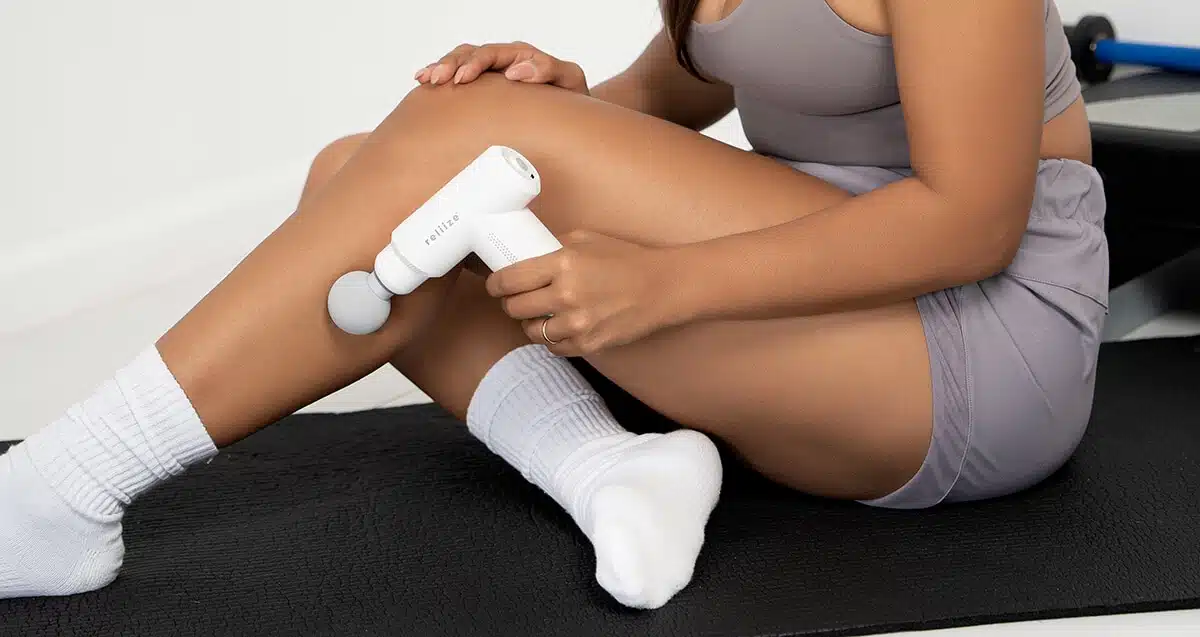
After heat, spend 8 to 12 minutes on the areas that hold the most tension. For many people, that means shoulders, upper back, glutes, calves, and feet. A massage gun can work well here because it delivers quick, focused percussion that helps reduce that dense, knotted feeling.
Keep the pressure moderate, not aggressive. More force does not always mean better recovery. If a muscle feels guarded or tender, back off and let the tissue soften gradually. Recovery should feel relieving, not like something you need to recover from afterward.
If your tension is more broad and deep than pinpointed, a smart cupping device or another hands-free massage option may feel better than constant manual work. The benefit of at-home wellness technology is convenience. You can get effective, repeatable relief without needing a second person or a clinic visit.
Step 3: Give your head and eyes a recovery break too
Physical recovery is only half the picture. Many adults are dealing with eye fatigue, temple tension, headaches, and a nervous system that never really settles because the day is packed with notifications, meetings, and screen glare.
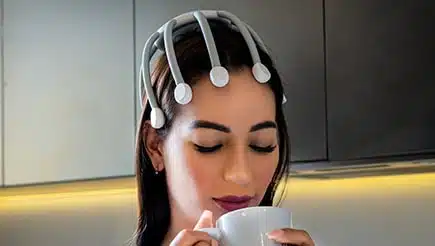
Spend 10 to 15 minutes with your eyes closed in a quiet setting. If you have a smart eye massager or head massager, this is where it fits naturally. Gentle compression, warmth, vibration, or kneading can help relieve eye strain and encourage full-body relaxation in a way that stretching alone often does not.
This step can be the difference between feeling physically less sore and feeling genuinely restored. If your stress tends to show up as jaw tension, poor sleep, or mental fatigue, do not skip this part.
Step 4: Add one downshift ritual for your nervous system
Choose one calming element and keep it simple. That might be 5 minutes of slow breathing, lying flat with your legs elevated, low light, or a short session in an infrared sauna blanket. The point is not to do everything. The point is to help your body recognize that the demand portion of the day is over.
This is where people often notice the biggest shift in sleep quality. Muscle relief matters, but your body also needs cues that it is safe to relax. If you finish your routine and immediately scroll your phone under bright light, you blunt some of the benefit.
Step 5: Finish with hydration and stillness
Drink water, then give yourself a few quiet minutes before jumping back into chores or emails. That short pause helps the routine land. It turns recovery into a real transition instead of just another task squeezed into the day.
How to tailor your routine to your real life
The best at home recovery routine example is the one that fits your actual schedule, pain points, and energy level. If you are a desk worker with constant neck tension and eye fatigue, your routine may focus more on head, shoulders, and decompression than on deep muscle percussion. If you train hard several days a week, you may need more lower-body work and heat-based recovery.
Time matters too. On busy weekdays, a 15-minute version may be enough: 5 minutes of heat, 5 minutes of targeted muscle work, and 5 minutes of eye or head relaxation. On weekends, you can stretch that into a fuller 30- to 40-minute reset.
There is also a difference between maintenance and recovery after overload. Maintenance sessions are lighter and meant to prevent tension from piling up. Recovery sessions after intense stress, travel, or hard exercise may need longer heat, more focused muscle work, and a stronger emphasis on calming your system afterward.
Common mistakes that make home recovery less effective
One common mistake is doing too much, too hard, too fast. If you attack every sore area with maximum pressure, you may leave your body feeling more irritated than relaxed. Recovery should lower stress, not create more of it.
Another issue is inconsistency. People often wait until they feel terrible before doing anything. That approach can still help, but smaller sessions done regularly usually produce better results. Think of recovery as upkeep, not emergency repair.
The last mistake is treating symptoms in isolation. Tight shoulders might not just be a shoulder problem. They may be connected to stress, posture, eye strain, or lack of proper rest. When your routine combines muscle relief with nervous system support, the results tend to feel more complete.
What a weekly rhythm can look like
You do not need a rigid calendar, but a loose structure helps. Two or three shorter sessions during the week, plus one longer session on the weekend, is realistic for many people. That rhythm gives your body repeated chances to reset before discomfort turns into a constant baseline.
For example, a Monday evening session might focus on upper body tension after work. Midweek might be a quick lower-body recovery after exercise. The weekend can be your longer full-body reset with heat, massage, and a deeper relaxation block. Brands like Reliize have made this easier by turning recovery tools into something that fits your home and schedule instead of asking you to build your week around appointments.
When to keep it simple and when to get support
Home recovery routines are great for general muscle tension, stress relief, screen fatigue, and mild post-workout soreness. But if you are dealing with severe pain, swelling, injury, numbness, or symptoms that keep getting worse, that is a different situation. At-home tools can support wellness, but they are not a substitute for medical care when something more serious is going on.
For everyone else, simplicity usually wins. You do not need ten steps. You need a routine that helps your body feel safer, looser, and more rested at the end of the day. Start with a few tools or techniques that target your biggest pain points, use them consistently, and pay attention to what actually leaves you feeling better the next morning.
The best recovery routine is the one that makes relief feel easy enough to repeat, because when recovery fits into real life, it stops being an occasional treat and starts changing how you feel every day.

