

wellness
How to Relieve Eye Strain at Home

May
That worn-out, heavy feeling behind your eyes usually shows up right when you still have more to do. If you are searching for how to relieve eye strain at home, the good news is that relief often starts with a few small changes you can make today – no appointment, no complicated routine, and no need to power through the discomfort.
Eye strain is one of those modern problems that can quietly drain your whole day. Hours of laptop work, late-night scrolling, dry indoor air, poor lighting, and even stress can leave your eyes feeling tired, tight, blurry, or irritated. For some people, it also brings headaches, temple tension, trouble focusing, and that familiar urge to close your eyes for just a minute and hope everything resets.
The fastest way to feel better is to stop treating eye strain like a single issue. It is usually a combination of overworked eye muscles, dryness, screen fatigue, and tension in the surrounding areas like the forehead, temples, and scalp. That is why the best at-home approach is layered. You want to reduce the source of strain, calm irritation, and help your body shift into recovery mode.
How to relieve eye strain at home without overcomplicating it
Start with your screen habits, because this is often the biggest trigger. If you stare at a device for long stretches without breaks, your blink rate tends to drop. That means your eyes dry out faster, your focus gets harder to maintain, and the muscles involved in near vision stay engaged longer than they should.
A simple fix is the 20-20-20 rule. Every 20 minutes, look at something about 20 feet away for 20 seconds. It sounds almost too basic, but it works because it gives your focusing system a break. If you forget, set a timer or pair it with something you already do, like finishing an email or switching tasks.
Screen position matters too. If your monitor is too high, your eyes stay wider open and dry more easily. A screen that sits slightly below eye level usually feels better. Brightness also plays a role. If your screen looks like a flashlight in a dim room, strain builds quickly. Aim for a level that feels comfortable rather than dramatic.
Text size is another overlooked fix. If you are squinting even a little, your eyes and forehead will keep paying for it. Increase the font, adjust contrast, and make reading easier. Comfort is productive.
Relieving eye strain at home means managing dryness too
A lot of people think they have a focus problem when they really have a moisture problem. Dry eyes can cause burning, watering, blurred vision, and a gritty sensation that makes screen time feel much worse. Ironically, dry eyes can also make your eyes tear more as they try to compensate.
One of the easiest ways to help is to blink intentionally for a few seconds every hour. Slow, full blinks spread tears more effectively than partial ones. If your home air is dry from heat or AC, a humidifier may also help, especially in your workspace or bedroom.
Lubricating eye drops can be useful, but it depends on what is causing the irritation. Preservative-free artificial tears are often the better option if you need them more than occasionally. If redness drops are your go-to, be careful. They can make eyes look whiter temporarily without solving the underlying dryness, and frequent use can backfire.
Warm compresses are another strong home option, especially if your eyes feel tight, tired, or dry around the lids. Gentle warmth can support oil flow from the glands in your eyelids, which helps your natural tear film stay stable. A clean warm washcloth works, but consistency is the real advantage. Five to ten minutes can make a noticeable difference.
Heat and massage can help when the strain is more than visual
Eye strain is not always just in the eyes. Many people carry it in the brow, temples, bridge of the nose, jaw, and scalp. That is why rest alone does not always feel like enough. You may stop working, but the tension pattern is still there.
This is where heat and massage become especially valuable. Gentle warmth around the eye area can feel deeply relaxing, while rhythmic massage may help ease the pressure that builds after long screen sessions. For some people, this kind of relief also supports better rest at night, which matters because tired eyes recover poorly when sleep is off.
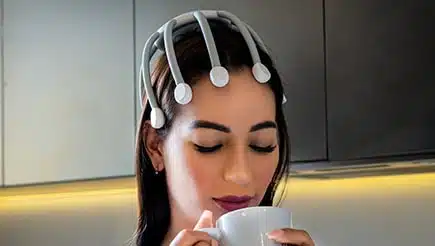
Manual massage works if you keep it light. Use clean hands and apply gentle pressure around the brow bone and temples, not directly on the eyeball. Small circular motions can help release surrounding tension. If your neck and shoulders are tight too, address those areas. Eye strain often travels with posture-related tension, and ignoring that link can slow relief.
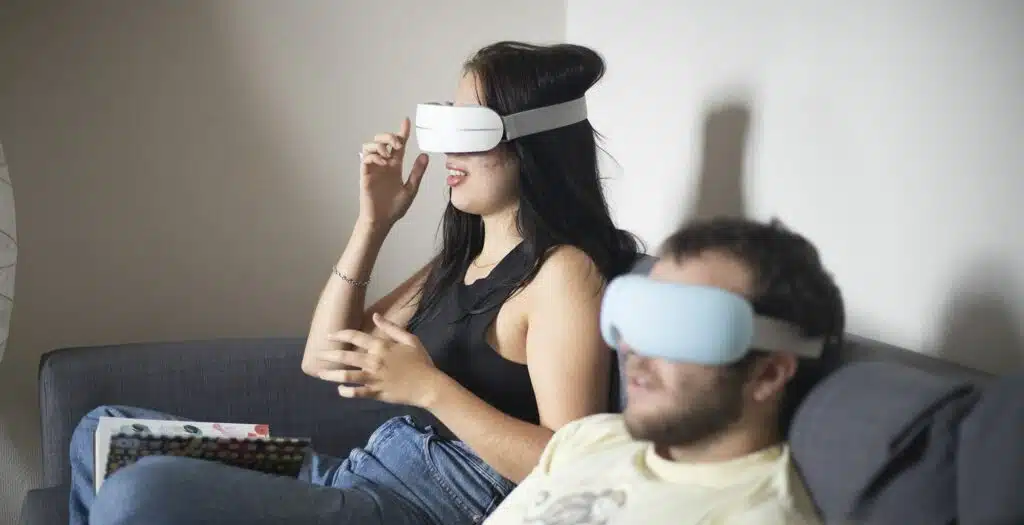
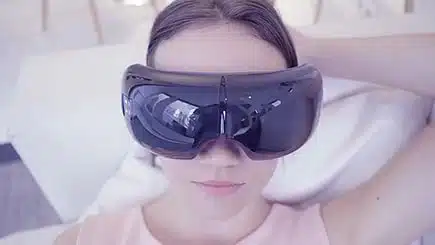
For people who want a more convenient routine, smart wellness devices can make the process easier to stick with. Heated eye massage can combine warmth, compression, and vibration in a way that feels more complete than a washcloth and a quick temple rub. That convenience matters because the best relief strategy is the one you will actually use after a long day, not the one that sounds ideal on paper.
Your lighting setup may be causing more strain than you realize
Bad lighting forces your eyes to keep adapting, and that constant adjustment gets tiring. If your room is too dim, your screens feel harsher. If there is glare on your monitor, your eyes work harder to process what you are looking at. If overhead lighting is sharp and direct, fatigue tends to creep in faster.
The goal is balanced light. Soft ambient lighting usually feels better than a dark room with one bright screen. If you work near a window, adjust your position so sunlight is not reflecting directly into your eyes or onto your display. Anti-glare screen filters can help in some setups, but often a simple change in angle is enough.
Evening light exposure matters too. Bright screens late at night can add to eye fatigue and may interfere with sleep. If you are already feeling strained, reducing brightness and switching to warmer display settings can make winding down easier.
When headaches come with eye strain
Headaches often show up when eye strain has been building for hours. Sometimes the issue is visual demand. Sometimes it is dehydration, poor posture, jaw clenching, or stress stacked on top of screen time. That is why relief can be a little trial and error.
Start by stepping away from near work completely for a few minutes. Drink water. Relax your shoulders. Rest your eyes with warmth or closed-eye breathing. If the pressure is mostly in the temples and forehead, gentle massage may help. If it keeps happening, your eyes may be working harder than they should because of an outdated prescription, uncorrected vision needs, or another underlying issue.
There is a point where home care stops being enough. If you have frequent severe headaches, double vision, major light sensitivity, sudden vision changes, eye pain, or symptoms that do not improve, it is smart to get checked by an eye care professional. Home relief is powerful for everyday strain, but persistent symptoms deserve real evaluation.
Build a routine that feels realistic
The most effective answer to how to relieve eye strain at home is not one perfect trick. It is a routine that fits your actual life. If you work on screens every day, think in terms of prevention plus recovery.
During the day, take short visual breaks, adjust your screen, blink more, and keep your lighting comfortable. In the evening, shift into recovery with warmth, massage, and less visual overload. Even 10 to 15 minutes can help your eyes and nervous system settle down.
If you are someone who values efficient, at-home relief, this is exactly where wellness technology can change the experience. A simple, repeatable eye recovery ritual feels less like another task and more like a reset you look forward to. That is part of why devices designed for heat and eye-area massage have become so popular with screen-heavy professionals. They turn relief into something convenient, consistent, and easy to keep using.
You do not need to wait until your eyes feel completely drained to take action. A few smart adjustments and a better recovery habit can change the way your evenings feel – and help you show up clearer, calmer, and more comfortable tomorrow.

