

wellness
360 Head Massager Guide for Daily Relief

Jul
That tight, foggy feeling after hours at a screen is not just annoying – it can throw off your focus, mood, and even your sleep later that night. A good 360 head massager guide helps you sort through the hype and find a device that actually feels worth using, especially if your goal is fast, at-home relief from scalp tension, stress, or headache pressure.
The appeal is simple. You do not need to book a massage, leave the house, or carve out an hour to feel better. A 360° head massager is built to bring all-around stimulation to the scalp and head in a way that feels immersive, convenient, and easy to repeat. For busy professionals, wellness-focused shoppers, and anyone trying to stay ahead of stress before it turns into a bad night, that matters.
What a 360 head massager actually does
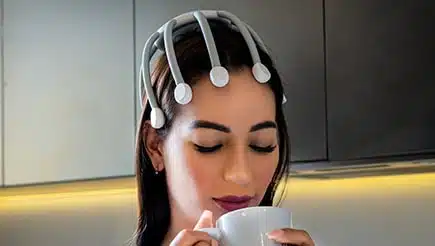
A 360° head massager is designed to surround the head with contact points that work across multiple angles rather than targeting one small area at a time. Depending on the model, that can include kneading nodes, vibration, compression, heat, or rotating massage elements. The goal is to create a fuller sensation across the scalp, temples, and upper head instead of a narrow, spot-treatment feel.
That all-around coverage is what makes this category stand out. A manual scalp tool can feel nice for a few minutes, but many people want a more consistent experience with less effort. A 360 device can deliver that by combining hands-free comfort with repeatable settings. If you are using wellness tech to make your routine easier, not more complicated, that is a real advantage.
It is also why people often reach for this type of device when stress starts collecting in familiar places. Some feel tension at the crown of the head. Others get pressure near the temples or notice that scalp tightness shows up right alongside mental fatigue. A well-designed massager addresses that broader pattern rather than treating the head like one single pressure point.
360 head massager guide: features that matter most
Not every device in this category feels equally effective. The best choice usually comes down to how the massage feels on your head, how easy it is to use consistently, and whether the features match your actual needs.
Massage mechanism should be your first filter. If you like a deeper, more hands-on sensation, kneading or rotating massage nodes may feel more satisfying. If you are sensitive to pressure or want something gentler for winding down, vibration-based models can be a better fit. Some devices combine both, which often gives you more flexibility from one session to the next.
Coverage and fit matter just as much. A 360 head massager should feel secure without squeezing too hard. If it sits awkwardly or misses key areas, the experience quickly becomes disappointing. Adjustable sizing is a strong sign that the device is built for real comfort, especially if more than one person in your household may use it.
Heat is another feature worth thinking through. Gentle warmth can make a massage feel more relaxing and may help the scalp and surrounding areas feel less tense. But heat is not always necessary. If you tend to run warm or plan to use your device during the day between meetings, you may prefer a model where heat is optional.
Battery life and controls sound less exciting, but they shape daily use. A massager with confusing buttons or constant charging needs tends to end up in a drawer. The best wellness devices reduce friction. You should be able to pick it up, choose your setting, and start your session in seconds.
Noise level can be the deciding factor for some buyers. If you want to use your massager while decompressing in bed, listening to music, or sitting quietly after work, a loud motor will wear on you fast. Quiet operation makes a big difference when relaxation is the whole point.
Who benefits most from a 360° head massager
This type of device tends to work best for people who carry stress in their head and scalp without always realizing it. Screen-heavy workers are a clear example. Long hours at a desk can lead to a cycle of mental fatigue, jaw tension, temple pressure, and a general overstimulated feeling. A short session with a head massager can feel like a reset button when your brain is still racing but your body is asking for a break.
People prone to tension headaches may also find this category appealing. That does not mean a massager replaces medical care or treats underlying conditions, but it can become part of a practical comfort routine. For many users, the biggest benefit is not some dramatic one-time result. It is the way regular use supports relaxation before tension builds too far.
It can also fit naturally into a sleep-focused routine. If your evenings tend to feel wired instead of restful, a calming scalp massage may help create a better transition out of work mode. The same goes for anyone building a broader self-care system at home and wanting affordable tools that deliver a spa-like experience without appointments.
How to choose the right model for your routine
The right device depends less on what sounds impressive and more on when and why you will actually use it. If your main goal is daytime relief, look for something portable, easy to clean, and quick to start. A simple 10- to 15-minute session between tasks is far more realistic than a device that demands a full ritual every time.
If your focus is evening relaxation, comfort becomes even more important. Soft interior materials, adjustable pressure, and lower noise levels will matter more than flashy extras. For some users, multiple intensity settings are essential because stress does not feel the same every day. One night you may want a stronger massage. Another night, a gentler setting will feel much better.
It also helps to be honest about sensitivity. More intensity is not always better. If you are prone to migraines, scalp tenderness, or overstimulation, a highly aggressive model may not feel soothing at all. On the other hand, if you usually find lighter massage underwhelming, a device with limited power may leave you disappointed.
This is where smart wellness design earns its place. A device that gives you options tends to stay useful longer because your needs shift. That flexibility is part of what makes modern self-care tools feel less like novelty gadgets and more like practical investments.
What a typical session should feel like
A good session should feel calming, supportive, and immersive – not painful or distracting. You may notice a tingling scalp sensation, a sense of heaviness lifting, or a subtle drop in mental tension. Some people feel more alert afterward. Others feel ready to lie down. Both responses can be normal depending on the settings and time of day.
Start shorter than you think you need. Around 10 to 15 minutes is enough for most people, especially when trying a new device. Give your body a chance to respond before pushing for longer sessions. The goal is relief you want to come back to, not overdoing it on day one.
Consistency usually matters more than intensity. Using a head massager a few times a week, or even daily in shorter sessions, often feels better than occasional long sessions. When wellness tech fits easily into your life, the benefits become easier to notice and easier to maintain.
Safety and common sense use
A 360 head massager should feel soothing, not forceful. If you feel pain, lingering soreness, dizziness, or irritation, stop using it and reassess the settings or fit. People with scalp injuries, certain neurological conditions, recent procedures, or ongoing medical concerns should check with a qualified healthcare professional before use.
Hair type can affect the experience too. Devices with moving parts may work better on some hair textures and lengths than others, so smooth operation matters. If tangling is a concern, look closely at the design and start slowly. A well-made device should feel secure and comfortable, not like a risk to your hair.
Cleanliness is easy to overlook, but it should not be. Anything that sits against your scalp regularly should be kept clean according to the manufacturer instructions. That is especially true if you use styling products, oils, or dry shampoo.
Why this category keeps growing
People want relief that fits real life. They want comfort at home, better value than repeat appointments, and tools that feel modern without being intimidating. A 360° head massager meets that demand because it turns stress relief into something immediate and repeatable.
That is the bigger shift in wellness right now. More people are building small, effective routines with devices they can trust instead of waiting until discomfort becomes unmanageable. Brands like Reliize speak directly to that need by making smart recovery tools feel accessible, convenient, and results-focused.
If you have been living with that familiar end-of-day head tension and telling yourself to just push through it, this may be the easier answer. The best device is not the one with the most features on paper. It is the one you will actually reach for when your body asks for relief.

