
wellness
Does an Eye Massager for Headaches Work?

May
That pressure behind your eyes after hours of screens, poor sleep, or nonstop stress can ruin the rest of your day fast. If you have been searching for an eye massager for headaches, you are probably not looking for a luxury gadget. You want relief that feels easy, fast, and worth using at home.
The good news is that an eye massager can help some types of headaches, especially the kind tied to eye strain, tension, fatigue, and stress. The catch is that not every headache starts the same way, and not every device is built to target the same discomfort. That is where a little clarity can save you time, money, and frustration.
When an eye massager for headaches makes sense
If your headache tends to build after staring at a laptop, answering emails on your phone, driving at night, or pushing through long workdays, the area around your eyes may be part of the problem. Eye strain often creates a heavy, tight feeling around the brow, temples, and bridge of the nose. Tension can spread from there into the forehead and even the scalp.
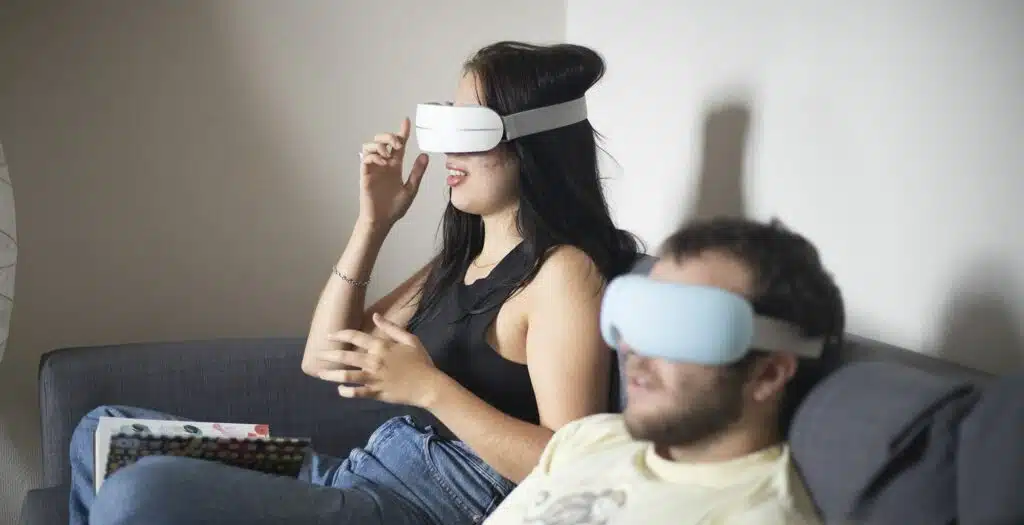
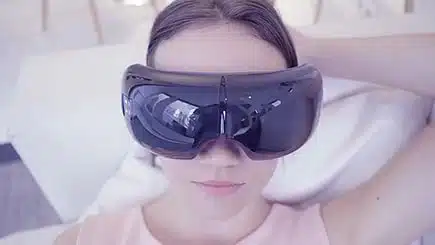
A well-designed eye massager works by helping your body shift out of that clenched, overstimulated state. Gentle air compression around the eye area can feel like rhythmic pressure release. Warmth may help tight muscles soften. Vibration can add another layer of soothing sensation that encourages relaxation. Put together, those features can create the kind of reset that many people want when a headache is starting to take over.
This is especially appealing if you want a non-invasive option that fits into real life. You do not need an appointment, a dark room for hours, or a complicated routine. A short session at home can feel more doable, which matters when consistency is what gets results.
What kinds of headaches may respond best
Not every headache will improve with massage around the eyes. That is the first thing to be honest about.
Tension headaches are often the best match. These can feel like a band of pressure across the forehead or a dull ache that grows during stressful days. If your brow feels tight, your jaw is tense, and your eyes feel tired, an eye massager may offer meaningful relief.
Eye strain headaches are another strong fit. These often show up after screen exposure, reading for too long, poor lighting, or skipping breaks during focused work. In those cases, reducing pressure around the eye area and encouraging relaxation can help interrupt the cycle.
Sinus-related pressure is more mixed. If the discomfort sits around the eyes and nose, warmth and gentle compression may feel comforting, but it depends on the cause. Some people love the soothing effect. Others may find pressure around the face uncomfortable when congestion is intense.
Migraines are the biggest it depends category. Some people with migraines find heat, pressure, or vibration relaxing between episodes or during the early stages. Others become more sensitive to touch, sound, or warmth once a migraine is active. If you are migraine-prone, the right settings matter a lot, and lower-intensity use is usually the smarter starting point.
Why the right features matter more than hype
A basic eye mask and a smart eye massager are not the same experience. If you are shopping specifically for headache support, the details matter.
Air pressure is one of the most useful features because it creates a pulsing compression effect around the eyes, temples, and brow line. That rhythmic sensation can help ease the feeling of built-up tension. For many users, this is what makes the device feel closer to a real massage rather than simple heat therapy.
Heat is another major benefit, especially for people whose headaches come with stiffness, fatigue, or stress. Gentle warmth can make it easier to relax the muscles around the eyes and forehead. It also makes the session feel restorative, which is part of why these devices often support better wind-down routines at night.
Vibration can be helpful, but it is more personal. Some people find it deeply soothing. Others prefer compression and heat without extra stimulation. If you tend to be sensitive during headaches, adjustable settings are not a bonus. They are essential.
Fit matters too. A poorly fitted device may place pressure in the wrong spots or feel awkward enough that you stop using it. The best eye massagers feel secure but not tight, supportive but not intrusive. Comfort is what turns a one-time trial into something you actually reach for during stressful days.
What an eye massager can and cannot do
An eye massager is best seen as a relief tool, not a cure-all. It can help reduce the physical tension and overstimulation that contribute to certain headaches. It can support relaxation. It may even help improve your sleep routine, which can indirectly lower headache frequency for some people.
What it cannot do is diagnose the reason you get headaches or replace medical care if your symptoms are severe, sudden, or unusual. If headaches are frequent, worsening, or paired with vision changes, nausea, dizziness, or neurological symptoms, that is a different conversation.
Still, for everyday stress headaches and screen-related discomfort, the value is simple. You get an accessible, at-home option that can bring relief without adding another errand to your schedule.
How to use one for better results
Most people get the best experience when they use an eye massager early, not hours after the discomfort peaks. If you know your headaches usually start with tight eyes, temple pressure, or that foggy end-of-day strain, use the device at the first sign rather than waiting for the pain to fully settle in.
A session of 10 to 15 minutes is usually enough. Longer is not always better, especially if you are sensitive to pressure or heat. Sit back, lower the lights, and treat it as a short recovery break rather than multitasking through it.
It also helps to look beyond the device itself. If your headaches are tied to screen fatigue, combine use with better habits like blinking more often, lowering brightness, adjusting your workstation, and stepping away from screens at regular intervals. If stress is the bigger trigger, using the massager as part of an evening reset can make a noticeable difference over time.
That is where smart wellness devices stand out. They do more than create a pleasant moment. They make relief easier to repeat, and repeated relief is often what people are really after.
Who should be cautious
If you have had recent eye surgery, serious eye conditions, severe migraines triggered by pressure, or major sensitivity around the face, check with a medical professional before using an eye massager. The same goes if even light touch around the eyes tends to make symptoms worse.
This is not about fear. It is about fit. The right wellness tool should feel supportive, not overwhelming.
Is it worth buying?
If your headaches are regularly linked to screen time, tension, poor rest, or stress, an eye massager can be a smart investment in daily relief. It offers comfort on demand, does not require appointments, and can turn a draining moment into something manageable. For many adults trying to feel better without overcomplicating their routine, that convenience alone is a real benefit.
The best results usually come from choosing a device with adjustable compression, soothing heat, and a design you will genuinely want to use. A flashy feature list means very little if the experience is too intense or too inconvenient to become part of your routine.
That is why modern at-home wellness technology has become so appealing. It brings spa-like comfort into the moments when you need it most, whether that is after back-to-back meetings, a late night at your laptop, or a stressful afternoon that leaves your whole face feeling tense. Brands like Reliize are built around that idea – practical relief that feels elevated, accessible, and easy to trust.
If your eyes are tired, your forehead feels tight, and headaches keep showing up when life gets busy, the right eye massager may not change everything. But it can change that moment, and sometimes that is exactly where feeling better starts.

