

wellness
Eye Massager vs Cold Compress: Which Helps?

Jun
After a long day of screens, meetings, and too little sleep, your eyes usually tell the story first. If you are weighing an eye massager vs cold compress, the real question is not which one is better in every case. It is which one gives you the kind of relief you need, when you need it, in a way you will actually use consistently.
Both options can help tired eyes feel better. But they work differently, and that difference matters if your main issue is screen fatigue, under-eye puffiness, tension headaches, stress, or trouble winding down at night. For many people, the best choice comes down to whether they want quick cooling relief or a more complete relaxation experience at home.
Eye massager vs cold compress: the core difference
A cold compress is simple. You chill it, place it over the eyes, and let the cooling sensation calm the area. It is commonly used for puffiness, mild irritation, and short-term soothing. The appeal is obvious – low effort, low cost, and fast relief.
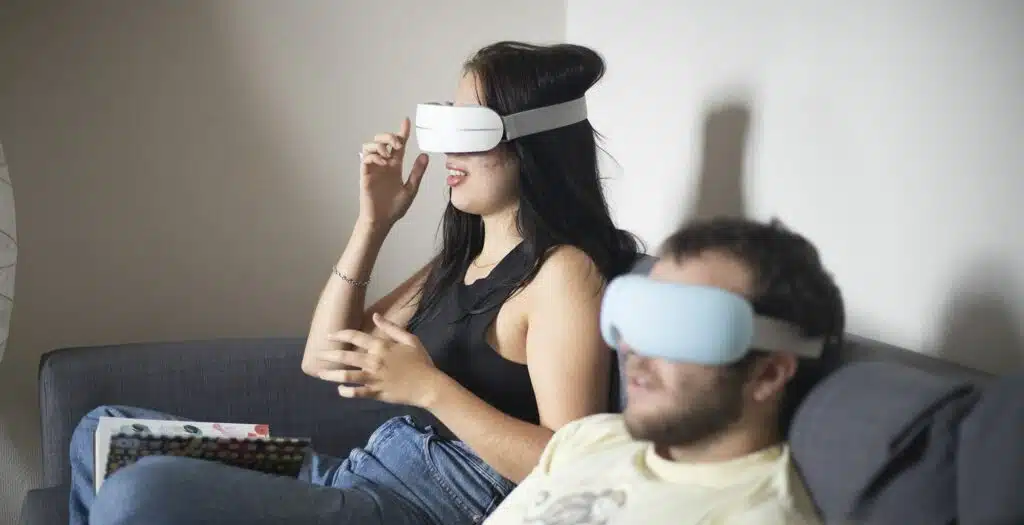
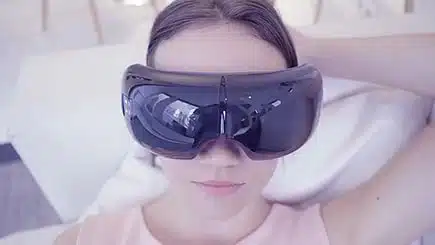
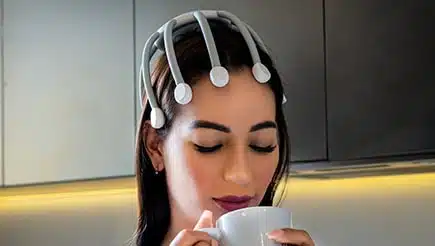
An eye massager is designed to do more than cool or cover the eyes. Depending on the device, it may combine air pressure, heat, vibration, compression, and rhythmic massage to target the pressure points around the eyes and temples. Instead of only reducing surface discomfort, it aims to help release tension, relax facial muscles, and support a deeper sense of recovery.
That is why this comparison is not just about temperature. It is about function. A cold compress is a quick comfort tool. A smart eye massager is closer to an at-home wellness device built for regular relief.
When a cold compress makes the most sense
If your eyes look puffy in the morning, a cold compress is often the fastest fix. Cooling can temporarily constrict blood vessels and reduce that swollen, heavy look around the eye area. It can also feel soothing after allergies, a restless night, or time spent outdoors in heat.
A cold compress can also be helpful when you want a very gentle option. There is no vibration, no pressure, and no settings to think about. You simply apply it for a few minutes and remove it.
This makes it practical for occasional use. If your eye discomfort is mild and mostly cosmetic, or if you only need short bursts of cooling relief once in a while, a compress may be enough.
The trade-off is that the experience is limited. Cold therapy does not actively massage the eye area, and it does not do much for the kind of built-up tension that comes from hours of squinting at a laptop, clenching during stress, or carrying pressure around the temples.
When an eye massager has the advantage
If your discomfort goes beyond puffiness, an eye massager usually offers more. Screen-heavy workers, frequent travelers, busy parents, and anyone who ends the day with tired, tight, overworked eyes often want more than a cold surface on the skin. They want the feeling of release.
That is where massage, heat, and compression can make a real difference. Gentle air pressure can create a rhythmic squeeze-and-release sensation around the eyes. Vibration may help loosen the tension you feel after staring, focusing, or straining all day. Heat adds comfort and can make the session feel deeply calming, especially at night.
For many people, this turns eye care from a quick patch into a routine they look forward to. Instead of reacting to discomfort once it peaks, they use the device to stay ahead of it.
A well-designed eye massager also tends to fit better into a modern self-care routine. It feels intentional, efficient, and easy to repeat. That matters because relief tools only work if you keep using them.
What about eye strain from screens?
For digital eye strain, an eye massager is usually the stronger option. Screens do not just leave eyes feeling dry or tired. They can create muscle tension around the brow, temples, and upper face. You may feel pressure behind the eyes, a dull headache, or that familiar end-of-day fatigue where your whole face wants to shut down.
A cold compress might cool the area, but it does not actively address the surrounding tension. Massage features are better suited to that problem. If your symptoms show up after long periods of computer work, gaming, studying, or phone use, the added function of an eye massager often delivers more complete relief.
That is one reason so many wellness-focused consumers are moving toward smart devices for home use. They want something that feels closer to a mini reset, not just a temporary refresh.
Which is better for headaches and tension?
It depends on the type of headache. If you are dealing with a tension-related headache that seems tied to stress, eye fatigue, or time at a desk, an eye massager often has a clear edge. The combination of warmth, compression, and pressure around the temples can feel especially comforting when your head feels heavy and overworked.
If your headache comes with heat sensitivity or you simply do not want warmth near your face, a cold compress may feel better in the moment. Some people naturally prefer cooling during headache episodes.
Still, for recurring tension that builds from lifestyle habits, massage tends to offer a broader benefit. It supports relaxation, not just symptom masking. That is a major difference if your goal is to feel better overall, not only for the next ten minutes.
Which helps more with puffiness and under-eye swelling?
This is the category where the cold compress often wins. Cooling is a classic choice for visible puffiness, especially first thing in the morning. It is straightforward and effective for that specific concern.
An eye massager can still help the area feel refreshed, especially if it includes cooling-adjacent comfort through compression and circulation support, but if your only goal is reducing morning swelling, cold is hard to beat.
The bigger question is whether puffiness is your only concern. Many people who start there also realize they are dealing with fatigue, tension, and poor sleep. That is where an eye massager becomes more compelling, because it supports more than appearance.
Which is better before bed?
An eye massager is usually the better nighttime option, especially if relaxation is part of the goal. A cold compress can feel refreshing, but it is not inherently sleep-friendly. Cooling tends to wake the senses up a bit.
Massage and warmth do the opposite. They help create a transition out of work mode and into rest mode. That can be especially valuable if your nights are filled with racing thoughts, leftover screen stimulation, or the feeling that your body is home but your mind is still at the office.
This is where smart wellness devices stand out. They do not just target one symptom. They help create a ritual. And rituals are powerful when you are trying to improve recovery, reduce stress, and make self-care easier to stick with.
Convenience, cost, and long-term value
A cold compress is more affordable upfront. There is no question about that. If budget is your only deciding factor, it is the simpler purchase.
But convenience is not only about price. It is also about how much benefit you get from each use. A cold compress can help with a narrow set of needs. An eye massager often covers multiple discomforts at once, including eye strain, tension, headaches, and evening relaxation.
That broader value is why many shoppers see it as a worthwhile upgrade. Instead of juggling different quick fixes, they want one device that can support a more complete relief experience from the comfort of home.
For people who invest in wellness because they want results without appointments, downtime, or complicated routines, that kind of convenience matters. It is one reason brands like Reliize have built so much momentum around easy-to-use recovery technology.
So, which should you choose?
Choose a cold compress if you want basic, occasional relief for puffiness, mild irritation, or a quick cool-down. It is simple, inexpensive, and effective for specific short-term needs.
Choose an eye massager if you want a more advanced solution for screen fatigue, stress-related tension, headaches, and nightly relaxation. It offers a fuller experience and is better suited to regular use, especially if your discomfort is part of your everyday routine rather than a once-in-a-while issue.
For many adults balancing work, screens, and constant mental stimulation, the answer is not about replacing a cold compress forever. It is about recognizing when you need more than surface-level relief. When your eyes feel tired but your whole system feels overloaded, an eye massager is often the tool that matches the moment.
The best relief is the kind you will actually make time for, and if your self-care routine can help you feel calmer, clearer, and more restored in under 20 minutes, that is a smart upgrade worth considering.

