

wellness
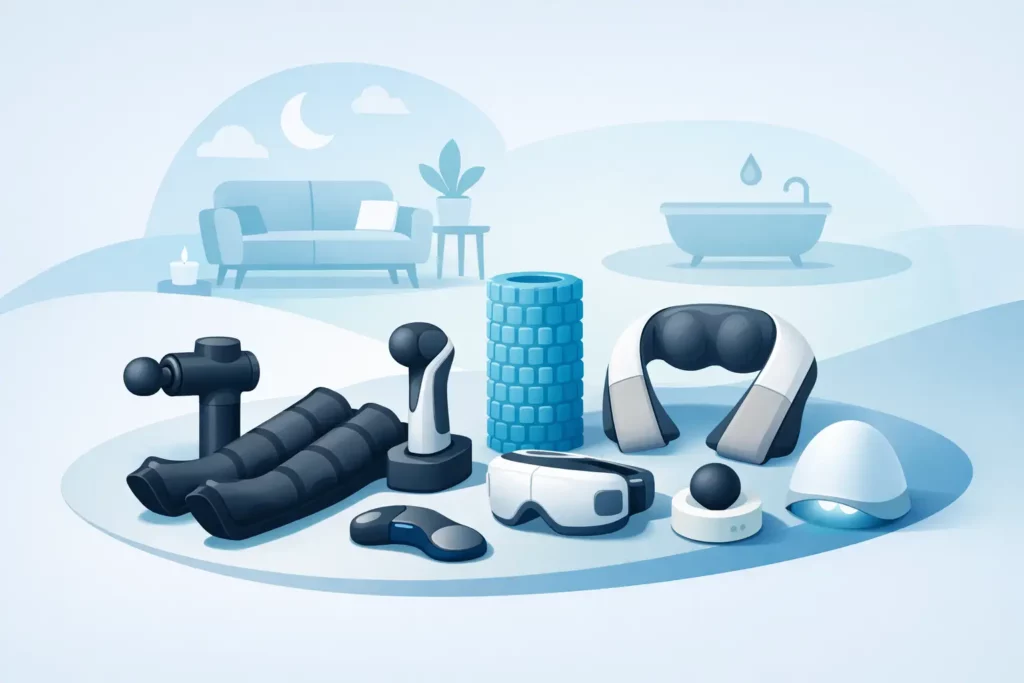
8 Best Home Recovery Devices for Daily Relief
Jun
Your shoulders are tight, your eyes feel overworked, and that low-grade tension headache is starting to creep in again. That is exactly why the best home recovery devices have become less of a luxury and more of a smart daily upgrade. When stress, screen time, and muscle fatigue show up faster than your schedule can handle, the right recovery tool can bring real relief without booking a treatment or leaving the house.
What makes the best home recovery devices worth buying?
Not every device earns a place in your routine. The best options solve a specific problem, feel easy to use, and deliver enough comfort or recovery benefit that you actually keep reaching for them. If a tool is too complicated, too bulky, or too underpowered, it usually ends up in a drawer.
For most people, the sweet spot is a device that combines convenience with noticeable results. Heat can help the body relax. Compression can ease tension. Percussion can target sore muscles after workouts or long desk days. Light therapy can support skin-focused self-care. The best devices do not promise magic. They simply make recovery more consistent, accessible, and affordable.
That matters because consistency is where results tend to happen. A ten-minute session you can do at home three or four times a week often beats a wellness routine that sounds great but never fits your life.
8 best home recovery devices to consider
1. Massage guns for deep muscle relief
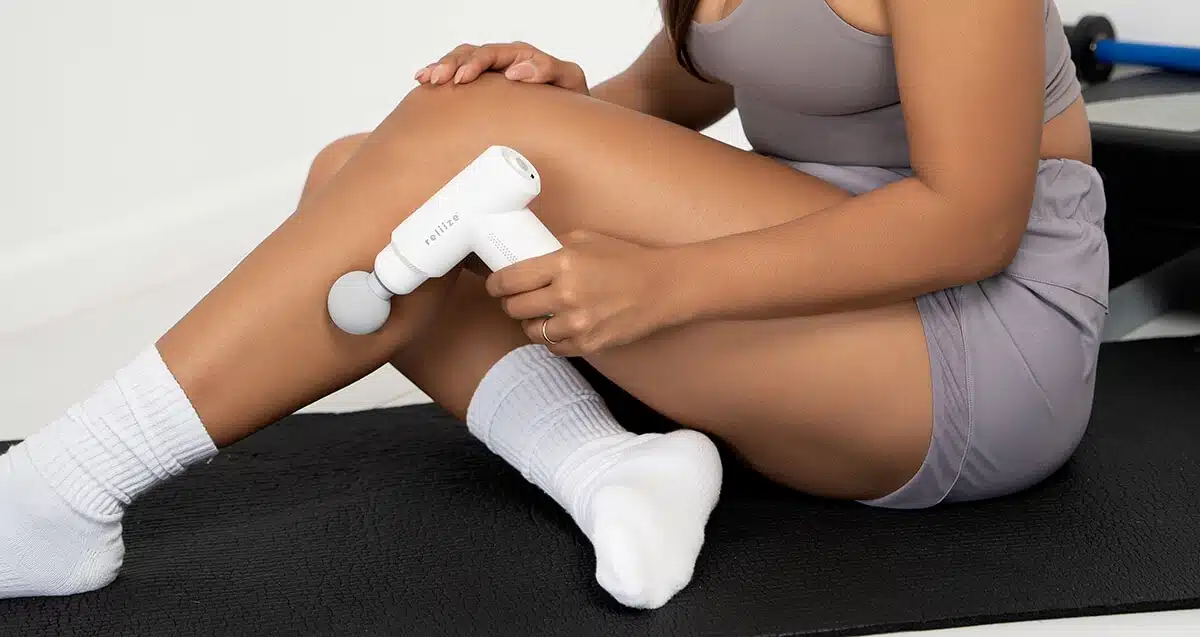
If your recovery goals center on muscle soreness, stiffness, or post-workout tension, a massage gun is still one of the strongest options in the category. It uses rapid percussion to work into larger muscle groups like the quads, hamstrings, calves, glutes, upper back, and shoulders.
The biggest advantage is speed. A short session can help reduce that heavy, tight feeling that builds up after exercise, travel, or too many hours sitting. It is also one of the easiest devices to share in a household because different attachments and speed levels let users personalize the experience.
The trade-off is that percussion is not always the most relaxing option. Some people love the intensity. Others want something gentler, especially around sensitive areas. If you are buying for stress relief more than athletic recovery, a massage gun may be only part of the answer.
2. Smart eye massagers for screen fatigue and headaches
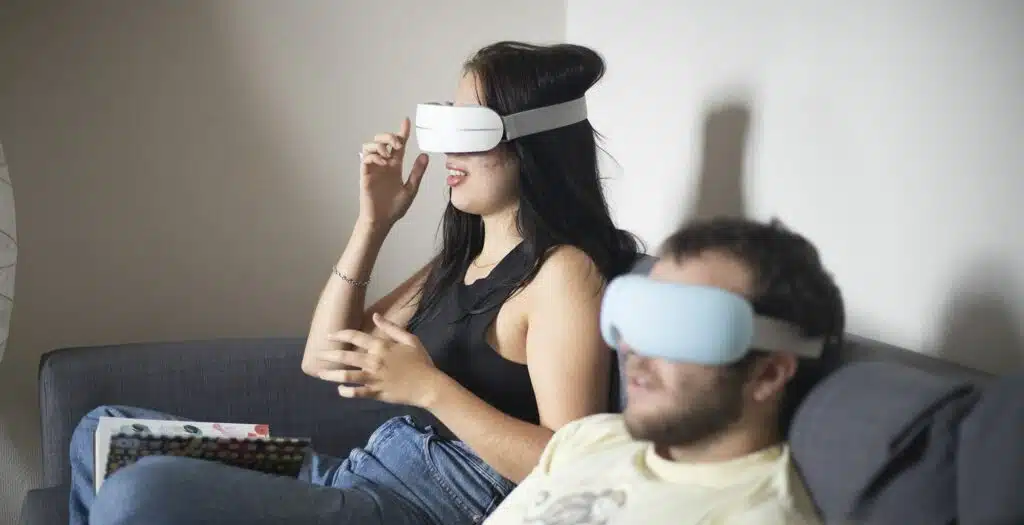
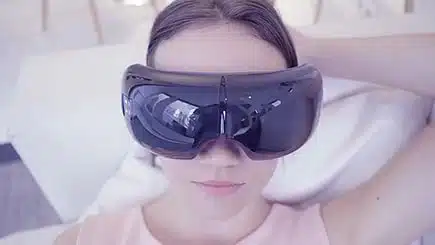
For people who spend most of the day looking at a laptop, phone, or tablet, an eye massager can feel surprisingly transformative. Smart eye massagers typically combine air pressure, vibration, heat, and sometimes built-in audio to help ease eye strain, tension around the temples, and that worn-out feeling that comes after hours of focus.
This category stands out because it targets a modern problem directly. Many recovery devices focus on the body from the neck down, but eye fatigue is one of the most common daily discomforts for professionals and heavy screen users. A good eye massager fits naturally into an evening wind-down routine, a work break, or a pre-sleep ritual.
It is a better fit for tension and relaxation than for severe migraine management or medical eye conditions. But if your main issue is digital fatigue, stress, or trouble switching off at night, this is one of the most practical upgrades you can make.
3. Head massagers for stress and mental reset
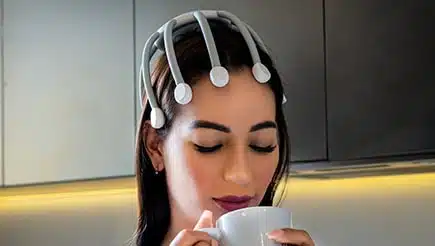
A quality head massager is less about muscle recovery in the athletic sense and more about nervous system relief. That makes it ideal for people whose tension collects in the scalp, temples, and base of the skull. Some devices use 360-degree massage techniques to create a more immersive relaxation experience, which can help turn a quick session into a real reset.
This is where home recovery becomes bigger than fitness. Recovery also means recovering from meetings, deadlines, poor sleep, overstimulation, and mental fatigue. A head massager can support that shift from alert and overloaded to calm and settled.
The effect is usually subtle compared with a massage gun, but that is part of the appeal. It is gentle, low effort, and easy to use while sitting on the couch or lying down. For people who want daily stress relief, that ease matters.
4. Infrared sauna blankets for full-body relaxation
If you want a device that feels closer to a spa treatment, an infrared sauna blanket is one of the strongest contenders. It wraps heat around the body in a way that encourages deep relaxation, sweating, and a sense of full-body release. For many users, the biggest benefit is not performance recovery. It is the feeling of decompressing completely.
Sauna blankets can work well for people who want to build a dedicated self-care routine at home. They create a more immersive experience than smaller targeted devices, and that often makes them feel more worthwhile for those who value ritual as much as function.
They do require more time and setup than a handheld tool. You need space, a bit of patience, and a tolerance for heat. If you want something quick between meetings, this may not be your first purchase. If you want an at-home escape that supports relaxation and recovery in one session, it is hard to ignore.
5. Smart cupping massagers for stubborn tension
Cupping-inspired devices have become popular because they offer a different sensation than standard massage tools. A smart cupping massager may combine suction, heat, and red light or similar features to target tight areas in a more focused way. This can be especially appealing for the back, shoulders, and other spots where knots seem to linger.
What makes this category interesting is the blend of traditional bodywork inspiration with modern convenience. You get a more customized, at-home experience without needing an appointment. For users who feel like percussion does not quite reach the right areas, cupping can offer a useful alternative.
That said, it is not for everyone. Some people love the pulling sensation. Others prefer a more familiar massage feel. As with many recovery devices, the best choice depends on the type of discomfort you are trying to relieve.
6. Kneading eye massagers for targeted comfort
A kneading eye massager deserves its own mention because it offers a different experience from standard compression-based eye masks. The focus here is more on tactile massage around the eye area, which can feel especially comforting if you carry tension around the brow line and temples.
For many users, this style feels more personal and more massage-like. That can make it a better option if your goal is comfort and relaxation rather than just reducing screen fatigue. It also fits naturally into bedtime routines, where a softer, calming experience often works better than anything too stimulating.
If your top concern is portability or office use, a compact standard eye massager may be more practical. But for deeper comfort at home, kneading features can make a real difference.
7. LED face masks for recovery that includes your skin
Recovery is not only about sore muscles. For many people, looking refreshed is part of feeling better. LED face masks bring that broader definition of wellness into the conversation by combining self-care, beauty, and non-invasive skin support in one device.
This is a strong pick for users who want their routine to do more than relax them in the moment. The benefit is cumulative. With regular use, LED devices can become part of a consistent ritual that supports a clearer, more polished appearance over time.
The key here is expectation. An LED face mask is not a substitute for targeted muscle relief or a stress-reset device. It belongs in the lineup if your version of recovery includes skincare, confidence, and visible self-care habits.
8. Heated compression devices for simple, repeatable relief
Sometimes the best device is the one you use most often. Heated compression tools, especially around the eyes or other tension-prone areas, work because they are straightforward. Heat helps you relax. Compression creates a soothing, secure feeling. Together, they often deliver immediate comfort with very little effort.
This category is ideal for people who do not want a complicated routine. You put it on, sit back, and let the session do its job. It is a smart choice for busy adults who want dependable relief after work, before bed, or during a midday reset.
How to choose the best home recovery devices for your routine
Start with the discomfort you want to solve most often. If it is muscle soreness, look at percussion or cupping. If it is eye fatigue, tension headaches, or sleep resistance, an eye or head massager may give you more value. If your goal is full-body relaxation, heat-based options like sauna blankets stand out.
Then think about how much friction a device adds to your day. The best home recovery devices are the ones you will actually use. A five-minute tool by your nightstand may outperform a bigger device that requires planning every time. Convenience is not a minor feature. It is often the deciding factor.
It also helps to think in terms of layers. A lot of people do not need one perfect device. They need one fast daily tool and one deeper weekly option. That combination can create a more realistic routine than expecting a single product to fix everything.
For shoppers who want wellness technology that feels modern, effective, and easy to trust, brands like Reliize have made this category more approachable by focusing on smart features, comfort, and everyday use rather than clinical complexity.
The real value of at-home recovery
The biggest shift is not just that these devices exist. It is that they make relief available on your schedule. You do not need to wait until stress becomes overwhelming or soreness becomes a problem worth complaining about. You can respond earlier, more often, and in a way that fits real life.
That is why the right device can change more than a single evening. It can help you build a routine where recovery stops feeling optional and starts feeling like part of how you take care of yourself. Choose the tool that matches your actual habits, and relief gets a lot easier to repeat.

