
wellness
Top Recovery Devices for Better At-Home Relief
Nov
Your body does not wait for a spa appointment to feel tight, tired, or overstimulated. A stiff neck after work, sore legs after training, aching eyes after eight hours of screens, and a mind that will not switch off all call for a better reset. The top recovery devices bring targeted comfort home, helping you build a routine that feels practical, personal, and genuinely restorative.
The best choice depends on what is getting in the way of your well-being. A runner with heavy calves needs something different from a professional dealing with eye fatigue and tension headaches. Rather than buying the loudest gadget or the most complicated machine, look for a device that addresses your daily discomfort and is easy enough to use consistently.
What Makes a Recovery Device Worth Using?
A recovery device should fit into real life. If it takes too long to set up, feels uncomfortable, or only solves a problem you have once a month, it is likely to end up in a drawer. The most useful devices create a moment of relief you can repeat after work, after exercise, or before bed.
Features such as heat, air compression, vibration, percussion, and kneading massage can each serve a different purpose. Heat can create a soothing sensation around tense muscles. Percussion can help you work on post-workout tightness. Air pressure and gentle kneading can be especially appealing when your face and eyes feel exhausted from screens or stress.
No device replaces medical care for an injury, severe pain, unexplained swelling, or persistent headaches. Think of at-home tools as part of your comfort and recovery routine, alongside sleep, hydration, movement, and appropriate professional guidance when needed.
Top Recovery Devices for Common Daily Discomforts
Massage guns for muscle soreness and post-workout tension
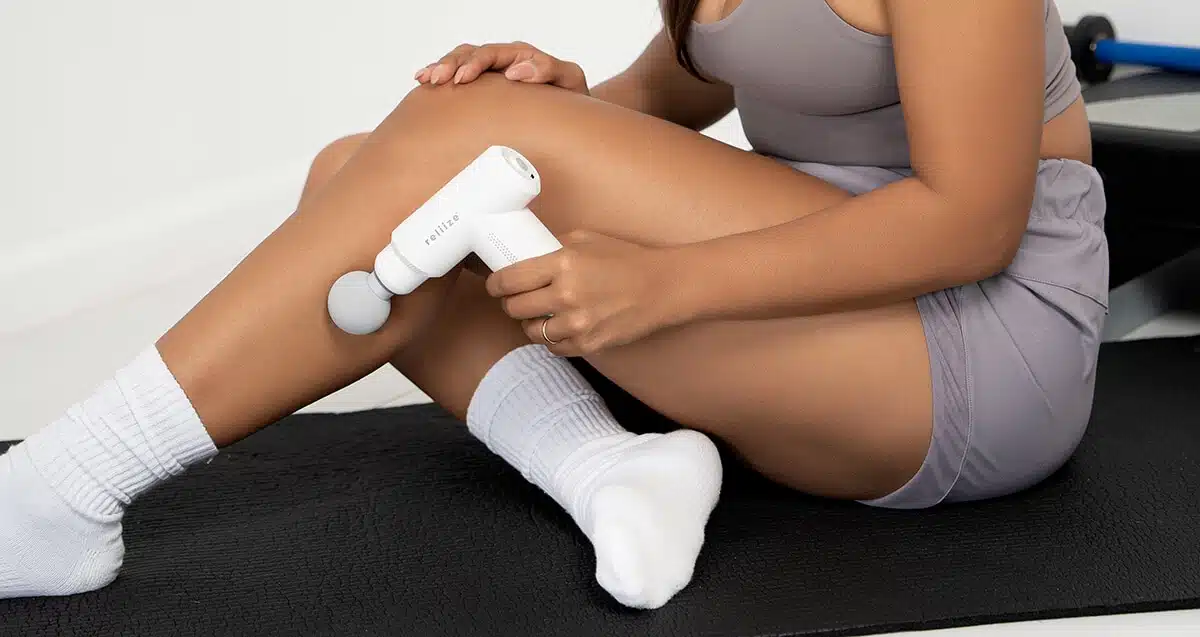
A massage gun is one of the most recognizable recovery tools for good reason. Its percussion-style movement is designed to deliver focused stimulation to large muscle groups, making it a popular choice for quads, glutes, hamstrings, calves, shoulders, and upper back tension.
It can be especially helpful when you want a quick recovery ritual after strength training, long walks, travel, or a day spent sitting. Start with a low setting and keep the device moving rather than pressing it hard into one area. A few minutes per muscle group is usually more comfortable and more sustainable than an intense session.
The trade-off is precision. Massage guns are powerful, but they are not the best tool for every part of the body. Avoid using one over bones, joints, the front or side of the neck, bruised areas, or areas with acute pain. If your main concern is stress rather than muscle soreness, a gentler device may be a better fit.
Eye massagers for screen fatigue and evening relaxation
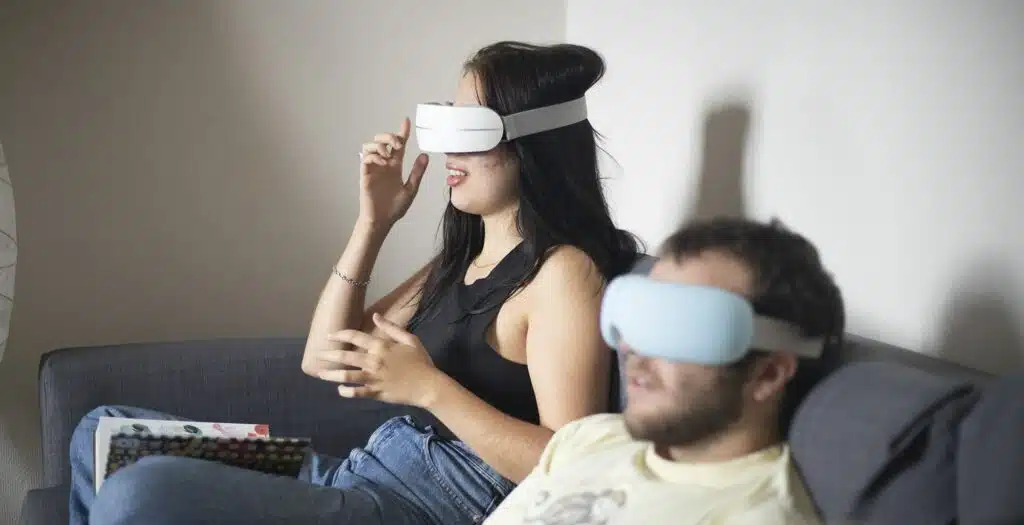
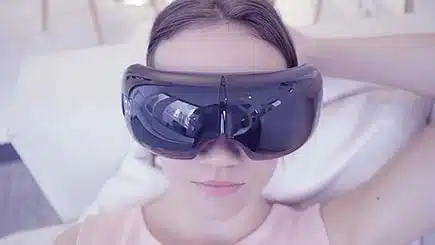
If your job revolves around a laptop, phone, or endless video calls, an eye massager can turn the end of the day into a real reset. Smart eye massagers typically combine gentle air pressure, warmth, vibration, and built-in relaxation settings to create a calming experience around the eye area and temples.
This category is ideal for people who feel dry, tired, or heavy-eyed after screen time, as well as anyone who struggles to transition from work mode to rest mode. A short session before bed can become a valuable boundary between the demands of the day and the quieter routine you want at night.
A kneading eye massager may appeal to people who prefer a more hands-on massage sensation around the brow and temple area. Comfort is personal, so look for adjustable settings. More intensity is not always better, particularly around the face. The goal is a soothing ritual that leaves you feeling refreshed, not overstimulated.
Head massagers for stress that lives in your scalp and temples
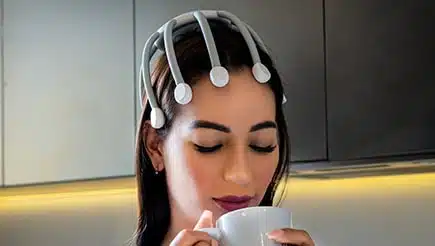
Stress has a way of settling in the head, jaw, neck, and shoulders. A 360-degree head massager offers a simple way to take a pause without booking an appointment or asking someone else for help. These devices use massage-inspired motion to stimulate the scalp and create a deeply relaxing sensation.
This is less about targeting a single sore muscle and more about changing how your whole body feels after a long day. It can be a natural companion to a wind-down routine, especially for people who carry tension in their scalp or struggle to disconnect before sleep.
Head massage is also one of the easiest forms of self-care to make consistent because it requires so little effort. Use it while listening to music, relaxing on the couch, or getting ready for bed. The best routine is the one you will actually repeat.
Smart cupping massagers for warmth and localized comfort
Traditional cupping has been used in wellness practices for centuries. A smart cupping massager brings a modern, at-home approach to that tradition by combining suction-style massage with heat and, in some models, red light or vibration features.
It can be a satisfying choice for the upper back, shoulders, lower back, legs, and other broad muscle areas that feel tight after activity or long periods at a desk. The combination of warmth and massage can feel particularly comforting when you want something more relaxing than a high-intensity percussion device.
Cupping is not for everyone. Temporary circular marks can occur, and you should not use it on irritated, broken, sunburned, or highly sensitive skin. If you bruise easily, take blood-thinning medication, are pregnant, or have a medical condition affecting circulation, ask a qualified healthcare professional before using suction-based tools.
Infrared sauna blankets for full-body unwinding
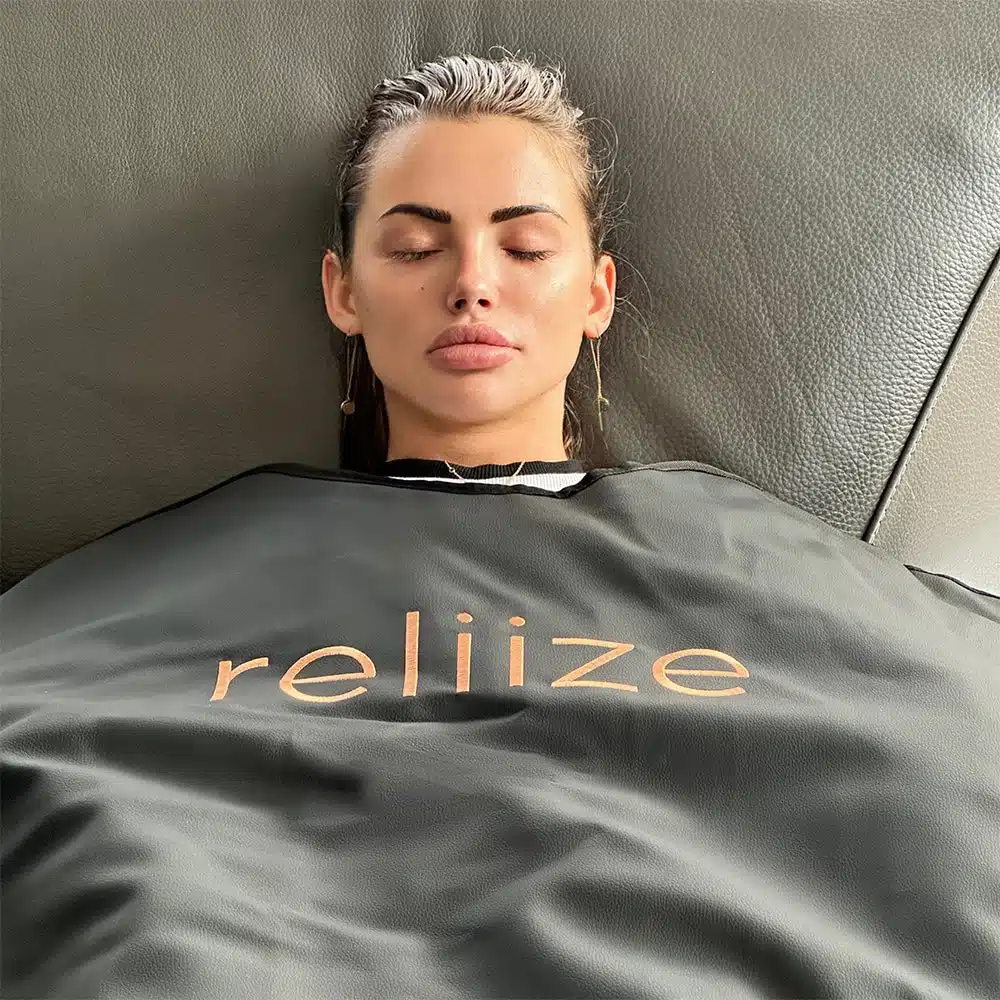
Some recovery needs are not isolated to one muscle. You may simply feel cold, stressed, physically drained, and overdue for uninterrupted quiet. An infrared sauna blanket creates a warm, enclosed experience at home that can make a rest day feel more intentional.
It is particularly well suited to people who enjoy the sensation of a sauna but do not have time for a studio visit or space for a traditional unit. Set aside time, wear comfortable layers as directed, keep water nearby, and let the warmth encourage you to slow down.
The trade-off is that heat therapy is not appropriate for every situation. Avoid use when you are dehydrated, ill, overheated, or under the influence of alcohol. People with health conditions, heat sensitivity, or concerns about blood pressure should speak with a healthcare professional first. Shorter sessions are a smart place to begin.
LED face masks for recovery that looks like self-care
Recovery is not limited to muscles. For many people, feeling rested also means caring for skin that looks dull, stressed, or tired. LED face masks use specific wavelengths of light as part of a non-invasive skincare routine and can offer a quiet, hands-free moment of care after cleansing.
This is a different kind of recovery device: less about immediate muscle relief and more about consistency, confidence, and giving yourself a reason to slow down. Results from skincare tools can take time, so realistic expectations matter. Use the mask according to its instructions, protect your skin from sun exposure, and keep the rest of your routine simple and supportive.
How to Choose Between the Top Recovery Devices
Start with the discomfort you feel most often. For workout soreness and tight muscles, a massage gun is usually the most direct option. For daily screen fatigue, temple tension, and a calmer bedtime routine, an eye massager may deliver more value. If stress feels full-body, an infrared sauna blanket or head massager can create the larger reset you are craving.
Then consider when you will use it. A device used for ten minutes after work may become a habit more easily than one that requires a full hour. Think about noise, storage, intensity settings, cleaning requirements, and whether you prefer active recovery or passive relaxation.
You also do not need to choose only one category forever. A targeted muscle device and a relaxation-focused device can work beautifully together. For example, use a massage gun after a workout, then use an eye or head massager later to help your nervous system settle before sleep.
Make Your At-Home Recovery Routine Stick
The strongest recovery routines are not dramatic. They are small, repeatable signals that tell your body the demanding part of the day is over. Keep your device where you will see it, pair it with an existing habit, and begin with sessions short enough to feel effortless.
Reliize recovery technology is built around that idea: accessible relief that feels like a spa-inspired pause without the appointment, commute, or premium price tag. Choose the sensation that your body keeps asking for, make room for it in your routine, and let those few intentional minutes become a better way to feel at home.
