
wellness
Smart Recovery Trends Changing At-Home Relief

Sep
A stiff neck after a laptop-heavy day. Heavy legs after a workout. Tired eyes that still feel switched on at bedtime. Smart recovery trends are changing the response to these familiar problems: instead of waiting for a spa appointment or pushing through discomfort, more people are building small, effective recovery rituals at home.
The shift is not about turning every living room into a clinic. It is about making feel-better moments easier to access. Heat, air compression, percussion, red light, vibration, and guided relaxation are moving from occasional luxuries to practical tools that fit between meetings, after training, or before sleep. For busy people, that convenience is often the difference between having a recovery routine and skipping one entirely.
Smart Recovery Trends Put Personalization First
The biggest change in at-home wellness is personalization. A generic massage may feel good, but smart devices are designed to let you adjust the experience based on what your body needs right now. That can mean choosing a gentler setting when your head feels overloaded, adding warmth to tight shoulders, or selecting a deeper percussion level after strength training.
This matters because recovery is rarely one-size-fits-all. The routine that helps an office worker decompress after eight hours of screen time may not be the same one a runner wants after a long weekend session. Smart settings give people more control without making the process complicated.
The best routines also account for how you feel, not just what you did. A high-intensity workout may call for muscle-focused care, while a stressful day may call for a quieter session that encourages the body to slow down. The goal is not to chase the strongest setting. It is to choose a level that feels supportive, comfortable, and easy to repeat.
Relief for Screen Fatigue Is Becoming a Daily Ritual
Eye strain is one of the clearest reasons recovery technology is finding a place at home. Screens ask a lot of the eyes and mind. By late afternoon, many people notice dryness, tension around the brow, headaches, or that restless feeling of being physically tired but mentally alert.
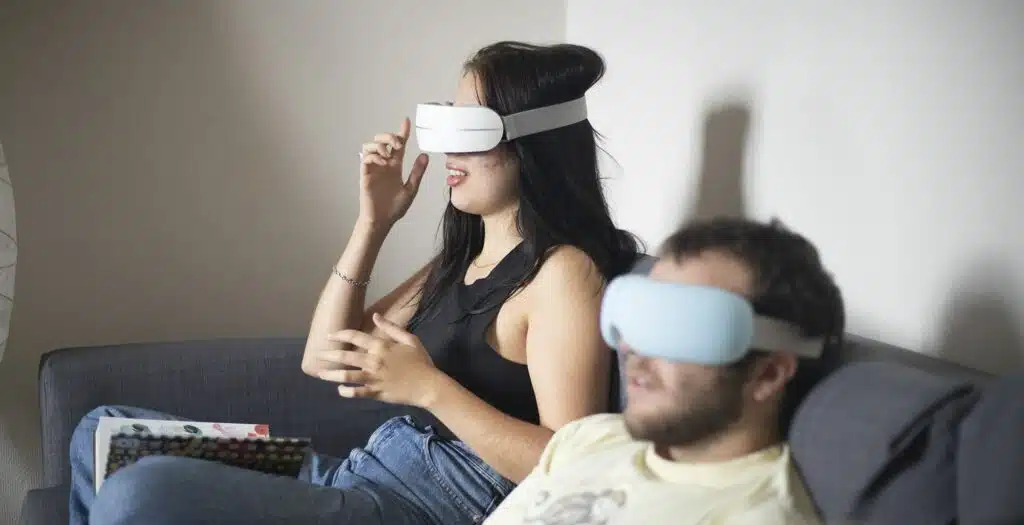
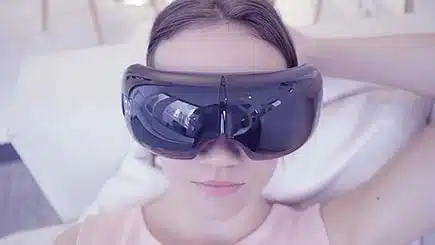
Smart eye massagers are part of a broader trend toward targeted relaxation. Features such as gentle air pressure, warmth, vibration, and calming audio can create a short reset without adding another task to the day. A 10- to 15-minute session can become a boundary between work mode and personal time, especially for people who struggle to step away from notifications and bright screens.
There is a trade-off here: no device can replace better screen habits. Regular breaks, blinking, hydration, proper lighting, and an updated vision prescription still matter. But a relaxing eye-care ritual can make those healthy habits easier to maintain by giving your brain a clear signal that the workday is over.
Heat Is Moving Beyond the Occasional Heating Pad
Heat remains one of the most enduring recovery tools because it feels immediate. It can be comforting when muscles feel tight, when the weather leaves you achy, or when stress seems to settle in your shoulders and back. What is changing is how heat is being used.
Rather than reaching for a basic heating pad only when discomfort becomes distracting, consumers are choosing more immersive options. Sauna blankets, heated massage devices, and warm eye massagers make heat part of a deliberate wind-down routine. Used thoughtfully, warmth can help create the conditions for relaxation: lower stimulation, slower breathing, and a greater sense of ease in the body.
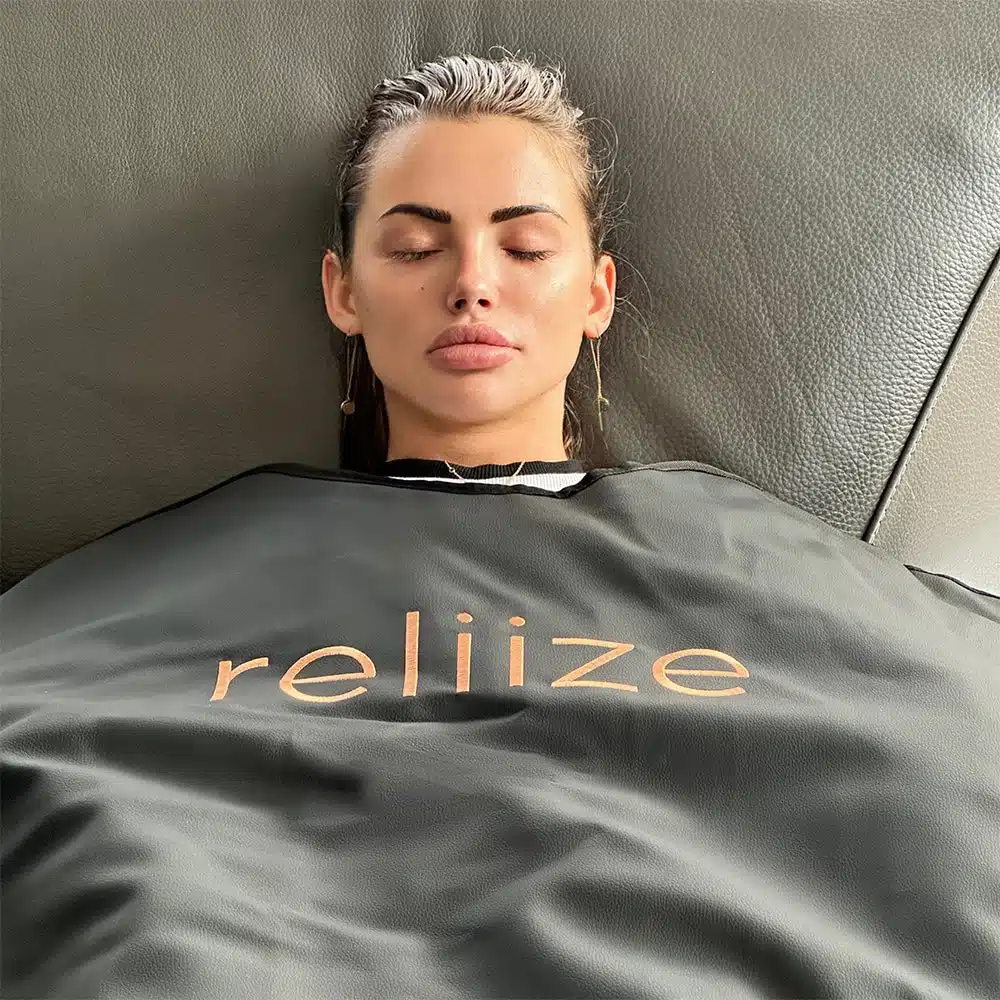
An infrared sauna blanket is especially appealing to people who want a spa-inspired experience without driving anywhere, booking a time slot, or paying for each visit. It is not the right choice for every person or every day. Hydration, session length, temperature tolerance, and health considerations all matter. People who are pregnant or have a medical condition should speak with a qualified clinician before using heat-based recovery products.
Percussion and Cupping Are Becoming More Intentional
Massage guns helped make percussion therapy familiar to everyday consumers. The next phase is more informed use. People are learning that more pressure is not always better, and that short, controlled sessions often feel better than aggressively working one sore spot for too long.
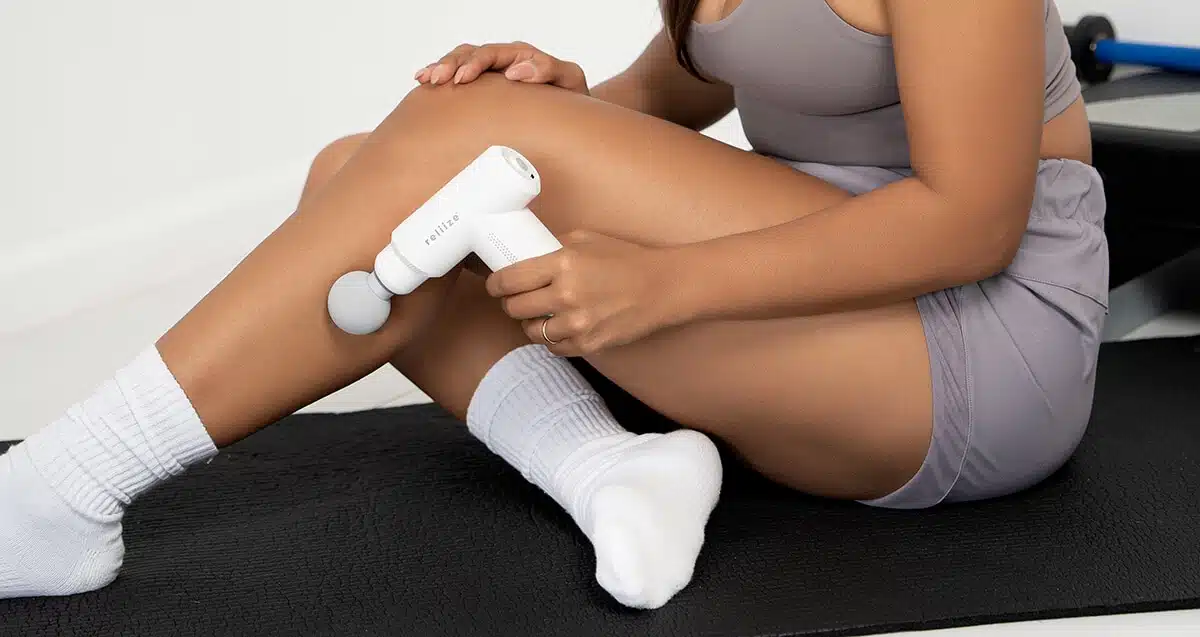
For active adults, percussion can be a useful part of a warm-up, cooldown, or rest-day routine. It may feel especially satisfying on large muscle groups such as the calves, glutes, quads, and upper back. A smart massage gun gives users the flexibility to choose an intensity that matches their comfort level, whether they want a light wake-up session or deeper post-workout relief.
Smart cupping massagers reflect another trend: bringing traditional massage-inspired techniques into approachable home devices. Often combining suction, warmth, and red light, these tools appeal to people who want a different sensation from percussion alone. They can be a welcome option for persistent tightness, but they should be used carefully. Avoid irritated skin, broken skin, areas with unusual swelling, and sensitive veins. If pain is sharp, worsening, or unexplained, stop using the device and seek professional guidance.
Recovery Is Expanding to Include Sleep and Stress
For years, recovery was framed mostly as fitness maintenance. Now it is increasingly connected to sleep quality, stress management, and emotional reset. That is a healthier direction. A body that never gets a chance to downshift can carry tension even without a demanding workout.
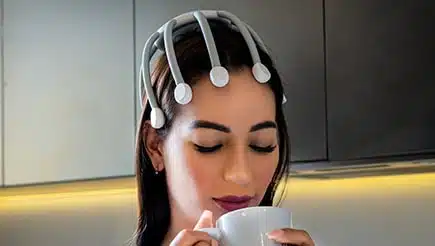
This is where head massage, eye massage, warmth, and low-stimulation routines become valuable. They do not need to be dramatic to be effective in a daily life sense. Sitting quietly with a 360-degree head massager after dinner, using an eye massager before bed, or spending time in a sauna blanket while listening to calming audio can create a consistent transition into rest.
Consistency matters more than complexity. A 12-minute practice you look forward to several nights a week may be more useful than an elaborate recovery plan you only attempt once a month. The best device is often the one that makes taking care of yourself feel simple enough to repeat.
Beauty Tech Is Joining the Recovery Conversation
Recovery and appearance are no longer being treated as separate categories. Consumers increasingly see skin care, stress relief, and relaxation as connected parts of self-care. LED face masks fit naturally into this trend because they offer a hands-free ritual that asks you to pause.
While beauty devices should be chosen with realistic expectations, the ritual itself has value. Putting on an LED face mask can turn a scattered evening into a few minutes of intentional care. Pair it with a screen-free moment, a glass of water, or relaxed breathing, and the experience becomes about more than skin alone.
The smart approach is to follow device instructions, protect the eyes when required, and be patient. Results from any beauty routine depend on consistent use, skin type, and the rest of your regimen. Convenience is powerful, but it works best when paired with realistic expectations.
How to Build a Routine That Actually Sticks
The smartest recovery routine starts with the friction in your real life. If screen fatigue is your biggest issue, place an eye massager where you finish work. If you train after work, keep your massage gun near your gym bag. If sleep is the challenge, make warmth or head massage part of your evening routine rather than another item on a long wellness checklist.
It also helps to match the tool to the moment. Use a massage gun for muscle-focused sessions, an eye massager for visual and mental decompression, and a sauna blanket when you have time for a deeper at-home reset. You do not need every device or a two-hour routine. One reliable ritual can change how your body feels at the end of a demanding day.
Reliize makes this kind of comfort more accessible with smart wellness devices designed for real homes, real schedules, and real tension. The point is not perfection. It is giving yourself a practical way to pause, recover, and return to the things you care about feeling more like yourself.
Start with the discomfort you notice most often, choose a ritual you can enjoy without overthinking it, and let a few protected minutes of care become part of your day.

