

wellness
Smart Eye Massager Review: Is It Worth It?

Jul
After eight hours of video calls, a commute, and one more scroll before bed, tired eyes can feel like they are carrying the weight of the day. That is where a smart eye massager review becomes useful: not as a promise of a miracle cure, but as a clear look at whether this small wellness device can create meaningful relief in the moments you need it most.
Smart eye massagers are designed for people who want a more restorative way to step away from screens, settle into sleep, or decompress after a stressful day. They combine familiar comfort measures – gentle warmth, rhythmic air pressure, vibration, and music on some models – in a hands-free mask that fits into a daily routine.
What a Smart Eye Massager Actually Does
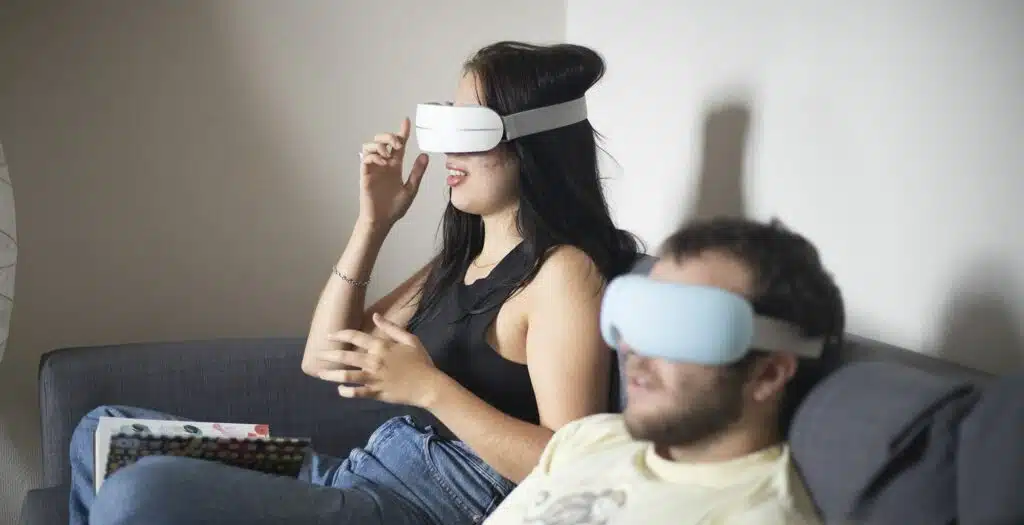
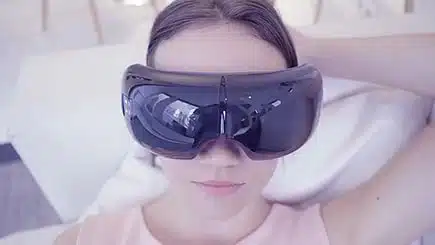
A smart eye massager sits over the eyes and upper cheek area, using built-in air chambers to create a controlled compression massage around the orbital area. Depending on the model and selected setting, it may also use soothing heat and vibration. The sensation is often closer to a gentle, pulsing temple massage than someone pressing directly on the eyeball.
The goal is simple: help tense facial muscles relax and give your mind permission to slow down. For screen-heavy workers, that pause can be surprisingly valuable. Many people hold tension in their brow, temples, jaw, and the space around their eyes without noticing it until a headache or restless night makes it impossible to ignore.
This is not a replacement for an eye exam, medical treatment, or care for persistent pain or vision changes. It is a comfort-focused device for everyday stress, eye fatigue, and relaxation. That distinction matters, especially if you are shopping with a specific health concern in mind.
Smart Eye Massager Review: The Features That Matter
Not every eye massager feels the same. A good experience comes down less to flashy extras and more to the way its core features work together.
Air compression should feel controlled, not harsh
Air pressure is the feature that gives a smart eye massager its signature massage effect. Inflating and deflating chambers apply gentle pressure around the temples, brow bone, and cheekbones. The best settings feel rhythmic and calming rather than overly tight or distracting.
If you are sensitive to pressure, look for adjustable intensity or multiple massage modes. A device may feel wonderful after a long day for one person and too stimulating for another. Starting on the lowest setting is the smartest way to learn what feels right for you.
Heat can turn a quick break into a real wind-down ritual
Gentle heat is a favorite feature for people whose eyes feel dry, tired, or tense after computer use. The warmth can make the whole experience feel more spa-like, especially in the evening when you are trying to separate work stress from bedtime.
Heat is not always necessary. Some users prefer compression alone, particularly in a warm room or during a daytime reset. But when the temperature is comfortable and consistent, heat adds a level of comfort that a standard eye mask cannot match.
Fit and noise determine whether you will use it consistently
A device only helps if it earns a place in your routine. A soft, adjustable strap, cushioned eye cups, and a foldable design make a major difference. You should be able to recline on the couch, sit at your desk during a break, or pack it for travel without fuss.
Sound deserves attention too. Massage motors and air pumps are never completely silent, but a quieter device is easier to use before sleep. If your model includes built-in audio or Bluetooth, calming sound can help cover the mechanical noise and make a 15-minute session feel more immersive.
Who Gets the Most Value From One?
A smart eye massager makes the most sense for adults who regularly feel mentally switched on long after their workday ends. It is especially appealing if you spend hours looking at monitors, drive frequently, clench your jaw under stress, or want a screen-free evening ritual that does not require an appointment.
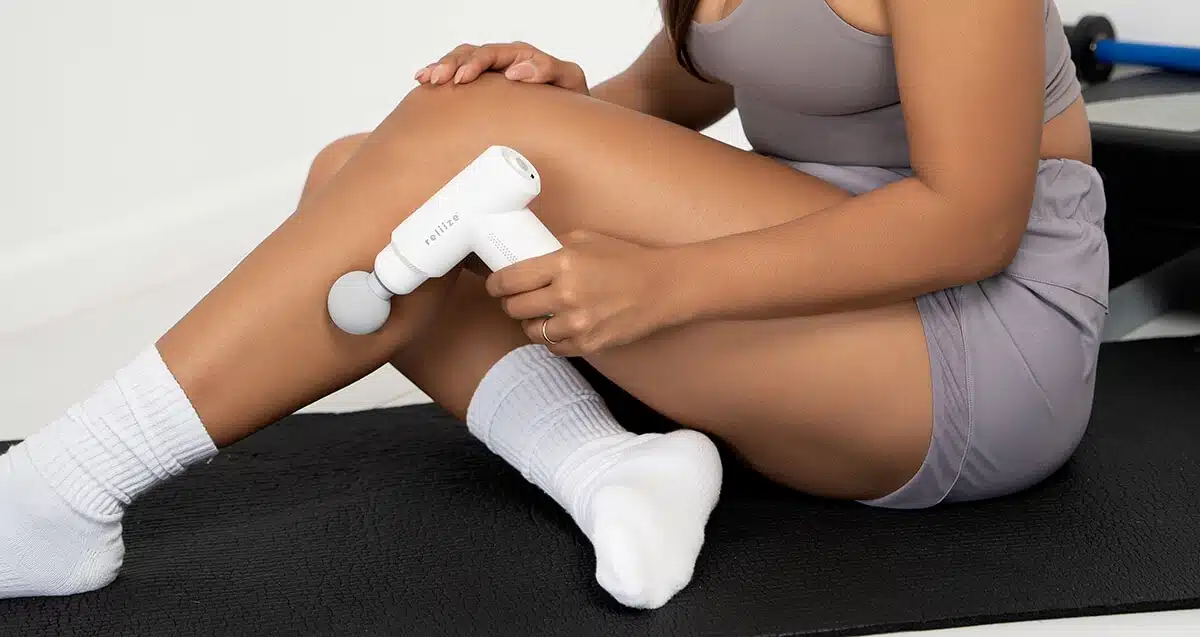
It can also be a thoughtful addition to a broader recovery routine. You might use it after a massage gun session, a warm shower, or while resting under a sauna blanket. The point is not to add another task to your wellness checklist. The point is to create a reliable cue that says the day is slowing down.
People who expect instant, dramatic changes may be disappointed. The benefit is often cumulative and situational: a calmer feeling after a difficult day, less facial tension before bed, or a more intentional break between meetings. Think of it as an at-home comfort tool, not a clinical device.
What It Feels Like During a Session
The first session can feel unusual because the mask blocks light and the air chambers move around your face. Give yourself a few minutes to adjust. Most sessions last around 10 to 15 minutes, which is long enough to feel restorative without demanding much from your schedule.
With the right intensity, the experience usually moves from noticeable compression to a deeply relaxing rhythm. The darkness behind the mask helps as much as the massage for many users. You are not checking messages, staring at another screen, or multitasking. You are simply resting.
For best results, use it when you can actually be still. A smart eye massager is not meant for walking around, working, or driving. Recline comfortably, loosen your shoulders, and let the automatic program do the work.
The Trade-Offs to Consider Before Buying
Convenience is the main advantage, but smart eye massagers are not for everyone. Some people do not enjoy pressure near their face, while others may find vibration more energizing than relaxing. If you are prone to claustrophobia, choose a model with an open, comfortable fit and test short sessions first.
There are also situations where you should check with an eye care professional before using one. Avoid using an eye massager over recent eye surgery, active eye infections, serious eye conditions, or unexplained eye pain. People with conditions such as glaucoma should seek personalized guidance rather than assuming a massager is appropriate.
Battery life and charging style are practical considerations as well. A foldable, cordless design is ideal for travel and bedtime use, but it still needs to be charged. The best device is not necessarily the one with the most modes. It is the one whose fit, pressure level, and controls make you want to use it three or four times a week.
How to Build It Into Your Routine
Start with a 10-minute session at a low setting after work or before bed. Pair it with something simple: a glass of water, a few slow breaths, or a quiet room. Avoid reaching for your phone as soon as the session ends. Give your eyes another five minutes away from bright light.
Consistency matters more than intensity. A short, comfortable session several times a week can become a dependable reset for tired eyes and a busy mind. If you feel discomfort, stop and adjust the fit or settings next time.
For people who want spa-inspired comfort without scheduling treatments, a device like the Reliize smart eye massager can make that reset feel remarkably accessible at home. Warmth, compression, and a dark, quiet pause may not change your calendar, but they can change the way the end of your day feels.
The best reason to try one is not because your routine needs more technology. It is because your eyes and mind deserve a moment when nothing is being asked of them.

