
wellness
Sleep Device Review: What Helps You Rest

Oct
A good sleep device review should begin before you look at features, ratings, or price tags. It should begin with the reason you are still awake. For many people, the issue is not simply a lack of tiredness. It is eye strain after a full day of screens, a tight jaw, a busy mind, sore shoulders, or the feeling that your body never received the signal that work is over.
At-home wellness devices can help create that signal. They are not a substitute for medical care, treatment for chronic insomnia, or a healthy sleep schedule. But the right device can become a powerful part of a wind-down routine by easing physical tension and giving your mind a quiet, consistent transition into rest.
What a Sleep Device Can Realistically Do
The most useful sleep-supporting devices do not promise to make you unconscious on command. Instead, they target the tension and overstimulation that often make it harder to settle down. Heat can feel soothing around tired muscles. Gentle massage can ease the tightness that builds in the neck, temples, hands, or shoulders. Rhythmic pressure and calming vibration can help replace racing thoughts with a sensation your body can focus on.
That distinction matters. If you wake up gasping, have persistent pain, experience severe anxiety, or struggle with long-term insomnia, a device should not be your only answer. Speak with a qualified healthcare professional. For everyday stress, screen fatigue, and the familiar struggle of feeling tired but unable to switch off, a simple device can make your evening feel noticeably different.
Sleep Device Review: The Categories Worth Considering
Not every wellness tool belongs on your nightstand. The best choice depends on where you hold stress and how much time you will actually give yourself before bed.
Eye massagers for screen-heavy evenings
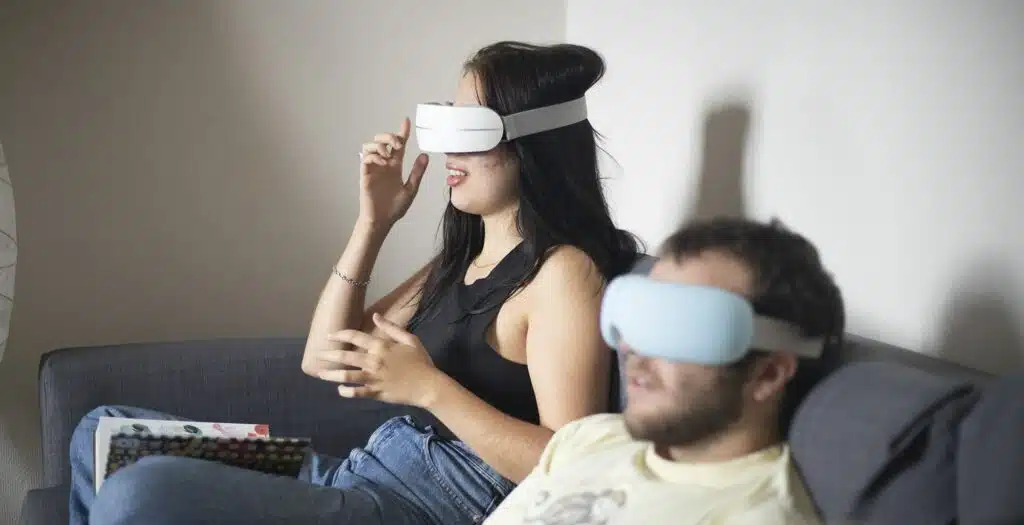
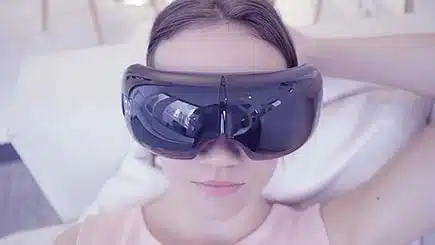
If your eyes feel dry, heavy, or overstimulated after emails, video calls, and late-night scrolling, an eye massager is one of the most relevant options. Smart eye massagers often combine gentle air pressure, warmth, vibration, and massage patterns around the eye area. The goal is not to treat an eye condition. It is to help tired facial muscles relax and create a more restful sensory environment.
This category makes sense for professionals who finish the day with temple tension or a lingering screen-induced headache. A 10- to 15-minute session can also serve as a practical boundary: phone down, lights lower, eyes closed. That routine can be just as valuable as the massage itself.
The trade-off is fit and sensation. Some people love gentle compression around the brow and temples; others find any pressure near the eyes distracting. Start with the lowest setting and avoid use if you have a recent eye procedure, eye injury, or condition that makes pressure uncomfortable without first asking your eye-care professional.
Head massagers for full-body decompression
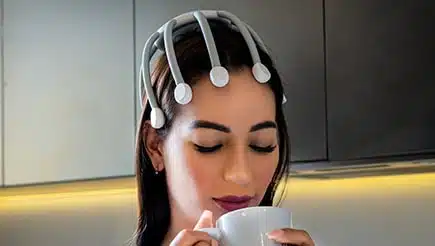
A 360-degree head massager is designed for the person who carries the entire day above the shoulders. It can feel especially appealing when a tight scalp, stiff neck, or tension headache is standing between you and sleep. By bringing massage to the scalp and head area, these devices encourage a slower, more grounded end to the night.
This is often a better fit than an eye massager if your discomfort is broader than screen fatigue. Think of the person who has been clenching their jaw during meetings, commuting with raised shoulders, or holding stress in their forehead all day. The sensation can be deeply relaxing, but intensity matters. A bedtime device should leave you calmer, not energized, so choose a gentle mode rather than the strongest setting.
Massage guns for soreness that keeps you restless
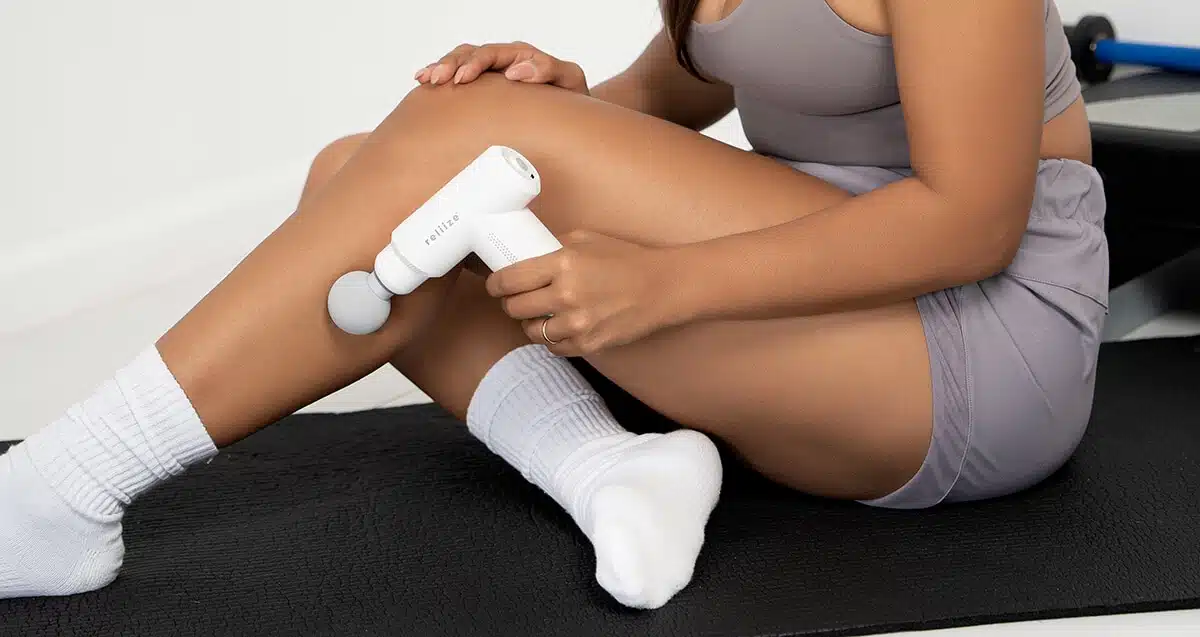
A massage gun is not traditionally labeled a sleep device, yet it can support better rest when muscle soreness is the problem. A short session on the calves, upper back, glutes, or shoulders may help you feel less physically restless after training, travel, or a demanding day on your feet.
Timing is the key. Deep percussion too close to bed can feel stimulating for some users, especially on high settings. Use it earlier in your evening, ideally after a shower or before your final low-light routine. Keep the pressure light, avoid bony areas and the front or sides of the neck, and do not turn a 10-minute recovery session into an intense late-night workout for your muscles.
Heat and recovery tools for the person who needs to slow down
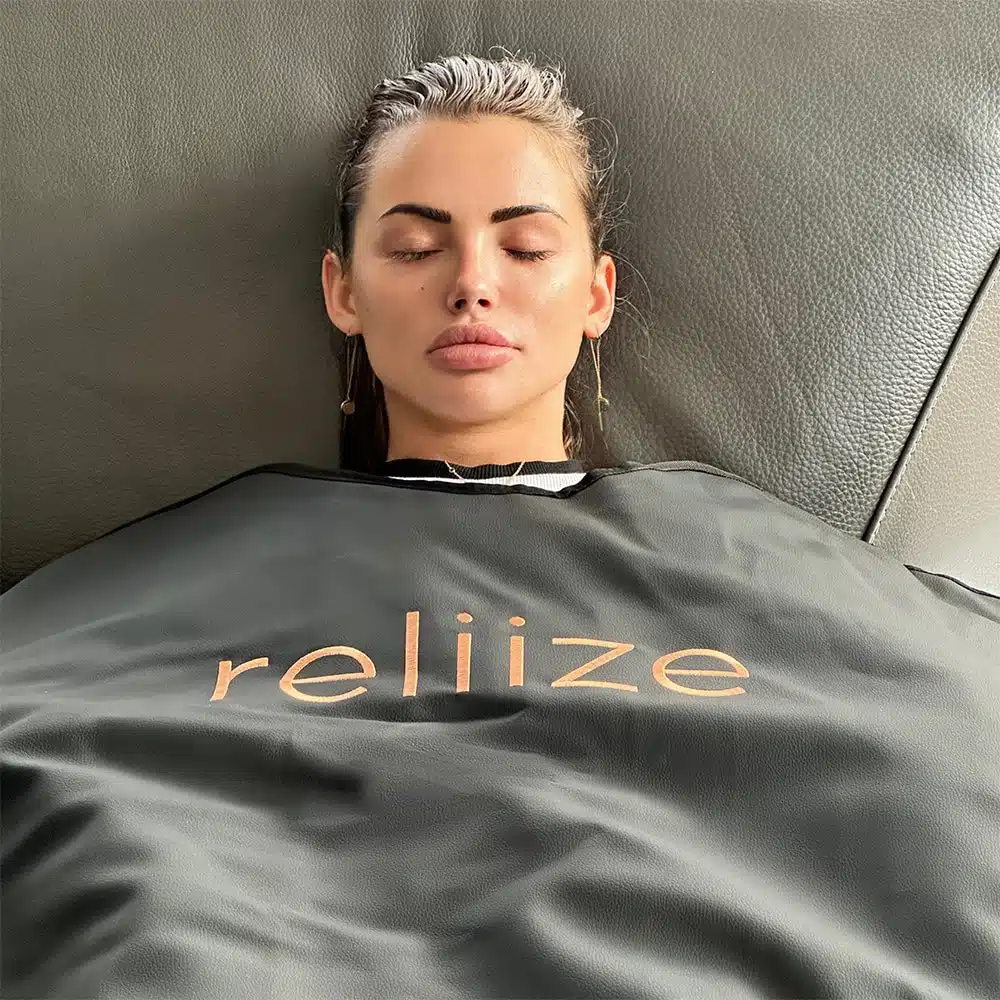
Warmth has a natural place in a calming ritual. An infrared sauna blanket may be appealing if you want a longer, spa-like recovery session at home. The cozy, enveloping feeling can help you release the physical stress of a long day and make the transition to pajamas and bed feel more intentional.
Still, more heat is not always better. Sauna blankets are best used with enough time to cool down, rehydrate, and let your heart rate return to normal before sleep. They are not ideal for everyone, particularly people with certain health conditions, heat sensitivity, or pregnancy. When in doubt, check with a healthcare professional and follow the product safety instructions closely.
How to Judge a Device Beyond the Marketing
A device can have every trendy feature and still end up in a drawer. Before buying, focus on whether it solves a specific evening problem. If your issue is eye fatigue, choose a tool designed for the eyes rather than a general-purpose massage gadget. If post-workout leg soreness keeps you awake, prioritize recovery support. The closer the match, the more likely you are to use it consistently.
Comfort is equally important. Look for adjustable intensity, easy controls, and a design that does not require a complicated setup when you are already tired. Quiet operation matters more than many shoppers expect. A device with relaxing features but an intrusive motor may work better in the afternoon than at bedtime.
Battery life and portability are practical details that shape real use. A rechargeable device that can move from your desk to your couch to your bedside makes it easier to build a habit. Cleaning requirements also deserve attention, especially for tools that touch the face or skin.
Finally, look for a clear return policy. Wellness is personal. A device that feels transformative for one person may not suit another person’s sensitivity, routine, or preferences. A trial period lowers the pressure and gives you time to test whether the product genuinely earns its place in your evenings.
Build a Routine, Not a Collection
The strongest results usually come from pairing one device with a repeatable routine. You do not need an hour. Start with 15 minutes: dim the lights, put your phone across the room, use your chosen device, then follow with a few slow breaths or a warm caffeine-free drink. Repeating the same steps teaches your brain that the day is winding down.
For example, a screen-heavy worker might use an eye massager after logging off, followed by a shower and a book. Someone with workout-related soreness may use a massage gun earlier in the evening, then use gentle heat or quiet stretching before bed. The goal is not perfection. It is reducing the friction between an overstimulated day and a more restful night.
Reliize devices are designed around this kind of accessible, at-home relief: smart wellness technology that brings massage, warmth, and recovery support into the routines people already have. The best feature is the one that helps you show up for yourself consistently.
Who Should Skip the Shortcut
Sleep devices are most helpful when they support healthy basics rather than distract from them. If late caffeine, irregular bedtimes, alcohol close to bed, or constant phone use are driving your sleep disruption, address those habits too. No massage setting can fully compensate for a bedroom that is bright, noisy, or mentally connected to work.
Use extra care if you have a medical condition, neuropathy, circulation concerns, recent surgery, unexplained pain, migraines that are new or worsening, or sensitivity to heat or pressure. Stop using any device that causes pain, dizziness, numbness, or discomfort. Relief should feel reassuring, never like something you have to push through.
A sleep-supporting device is not about adding another task to your night. It is about creating a small moment when your muscles soften, your screens go dark, and rest starts to feel possible again.

