


wellness
Recovery Device Reviews: What Really Matters

Nov
A glowing five-star rating can feel convincing when your eyes ache after a long day of screens or your shoulders are still tight from yesterday’s workout. But the best recovery device reviews do more than say a product feels good. They reveal whether it fits into real life, delivers the kind of relief you need, and is comfortable enough to use again tomorrow.
At-home recovery technology has made it possible to bring a more restorative routine into the hours you already have. From eye massagers and percussion devices to heat-based tools and sauna blankets, the right device can turn a few quiet minutes into a meaningful reset. The key is knowing what to look for beyond the star rating.
Why Recovery Device Reviews Need Context
Not every wellness device is designed to solve the same problem. A massage gun may be a smart choice for large, sore muscle groups after training, while an eye massager is made for the very different fatigue that comes from deadlines, commuting, and constant screen time. A review saying “This helped me relax” is encouraging, but it does not tell you whether the product targets your discomfort.
Start with the reviewer’s routine. Are they using the device after strength training, before bed, during a work break, or as part of a skin-care ritual? A busy professional dealing with tension headaches may get more value from gentle heat, air pressure, and a quiet experience than from a high-intensity percussion tool. Someone focused on post-workout recovery may feel the opposite.
The most useful reviews describe the before-and-after moment. Look for details such as less stiffness after a session, easier relaxation before sleep, a more comfortable neck and shoulders after travel, or a welcome break from dry, tired-feeling eyes. Specific experience is more valuable than vague praise.
What to Look for in Recovery Device Reviews
Relief that matches the mechanism
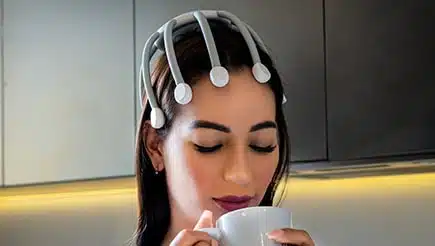
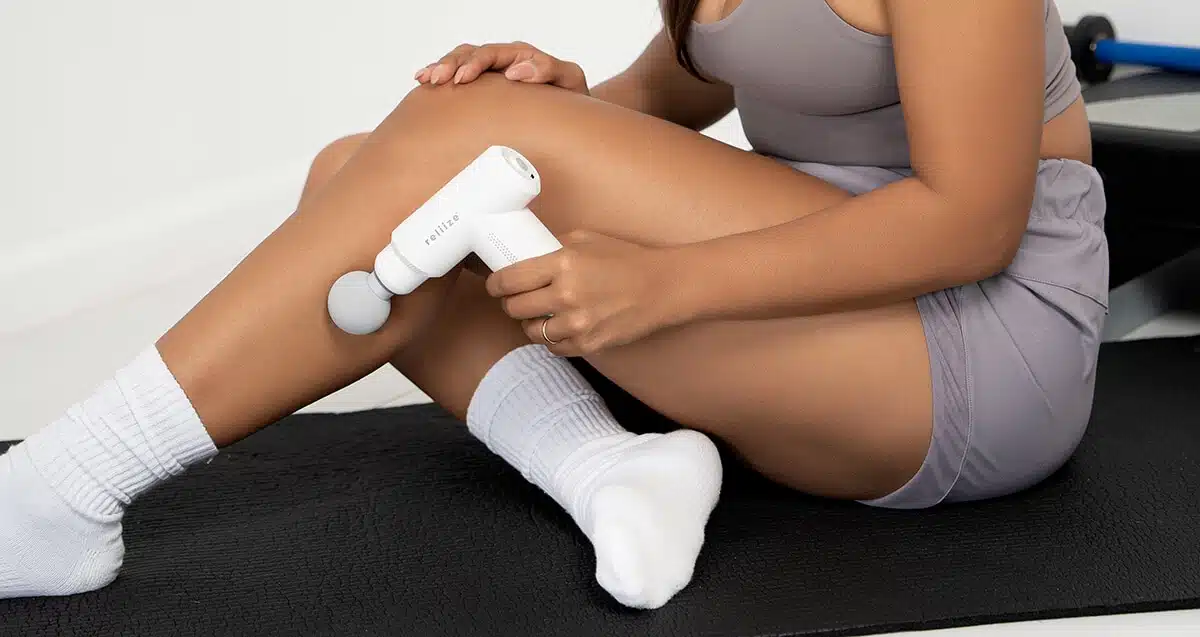
A device should make sense for the relief you want. Percussion massage creates rapid pulses intended to help work through muscle tightness and post-exercise soreness. Smart cupping massagers often combine suction-style stimulation with heat and vibration for localized tension. Infrared sauna blankets use warmth to create a calming, sweat-inducing wind-down experience.
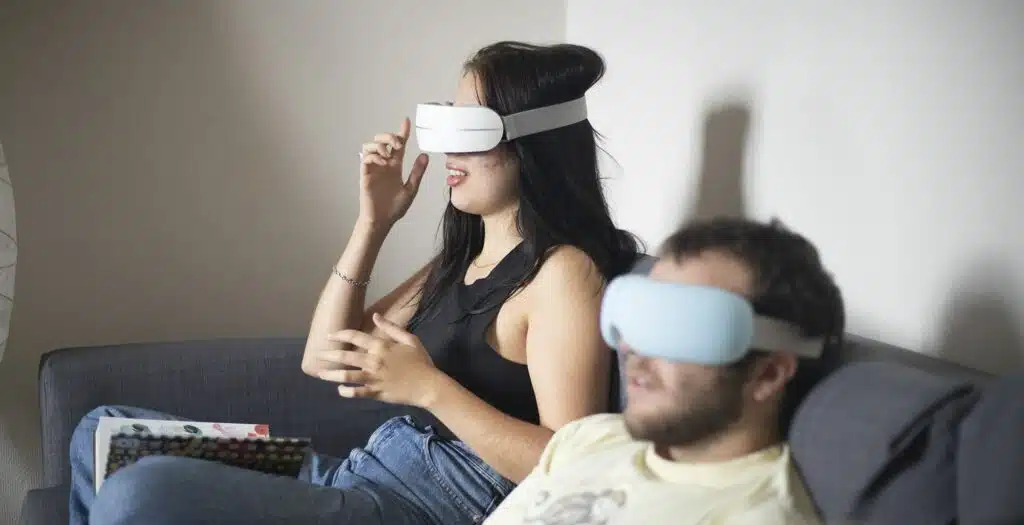
For screen-heavy days, eye massagers may use a combination of warmth, compression, vibration, and kneading-inspired pressure around the eye area. That blend can feel especially restorative when your face feels tense, your temples are tired, and you need to step away from the noise. Reviews should explain which settings people used and how the sensations felt, not simply promise a miracle.
Comfort is not a small detail
The most advanced device will gather dust if it feels awkward, too intense, or difficult to operate. Pay close attention to comments about fit, weight, noise level, pressure, heat settings, and ease of cleaning. These details determine whether a product earns a place in your everyday routine.
For example, an eye massager should rest comfortably without excessive pressure, while a massage gun should be manageable in one hand and not leave you battling a complicated control panel. With a sauna blanket, reviewers may mention how easy it is to get in and out, whether the temperature feels adjustable, and how the material feels against the skin.
Comfort is personal. If you know you are sensitive to strong vibration or heat, prioritize reviews from people who mention lower settings and gradual intensity options. More power is not always better. The best setting is the one that helps you relax enough to use the device consistently.
Real-world convenience
At-home wellness is supposed to remove friction, not add another task to your day. A helpful review tells you whether the device is quick to set up, easy to charge, simple to store, and realistic to use between meetings or before bed.
Look for signs that a device works within your schedule. A person who uses an eye massager for 15 minutes after logging off work is sharing a more useful experience than someone who only tried it once. Repeated use says something about convenience, comfort, and perceived value.
Features like automatic shutoff, cordless use, adjustable modes, and intuitive controls can make a major difference. They are not just technical extras. They can be the difference between a self-care routine you keep and a device that stays in a drawer.
Build quality and thoughtful design
Ratings can be distorted by first impressions, especially when a device arrives in polished packaging. Read beyond the earliest comments for feedback about durability, battery performance, materials, and how well the controls hold up over time.
A quality device should feel purposeful in the hand or against the body. It should also make hygiene straightforward, especially for products used on the face or skin. Reviewers who return after several weeks often provide the clearest perspective on whether a device continues to perform as expected.
Red Flags Worth Taking Seriously
A few negative comments do not automatically mean a device is wrong for you. One person may find a massage setting too firm while another loves the same intensity. Still, repeated concerns deserve your attention.
Be cautious when reviews consistently mention uncomfortable pressure, unclear instructions, unreliable charging, difficult returns, or a mismatch between the product description and the actual experience. Also notice whether complaints are specific. “Didn’t work for me” could reflect a personal preference. “Stopped charging after three uses” points to a more practical issue.
Health claims deserve the same level of care. Wellness devices can support relaxation, temporary comfort, and recovery rituals, but they are not replacements for medical diagnosis or treatment. If you have an eye condition, recent surgery, circulation concerns, nerve sensitivity, are pregnant, or live with a medical condition, check with a qualified healthcare professional before trying a new device. Never use a recovery tool on an acute injury, broken skin, or an area where pain is unexplained.
How to Compare Devices Without Getting Overwhelmed
First, name the discomfort you want to address most often. If your biggest issue is end-of-day eye fatigue, an eye-focused device will likely serve you better than a powerful body tool. If your legs and back feel heavy after activity, consider whether percussion, heat, or compression-style comfort sounds most appealing.
Next, decide how you want the experience to feel. Some people want stimulating intensity after a workout. Others want warmth, quiet, and a slower transition into rest. Recovery is not one-size-fits-all, and the device that feels best is often the one aligned with your nervous system as much as your muscles.
Then compare the practical protections around the purchase. Clear product information, responsive support, a meaningful return window, and a money-back guarantee reduce the pressure of trying something new. That matters when you are choosing a personal wellness tool that needs to fit your body and your routine.
Reliize designs at-home recovery devices around this everyday reality: you should not need an appointment, a complicated setup, or a luxury budget to give your body and mind a break. Whether you are drawn to soothing eye massage, targeted muscle relief, or warming full-body relaxation, choose the features that make relief feel easy to reach.
The Best Review Is the One That Sounds Like Your Life
The right recovery device is rarely the one with the loudest promise. It is the one reviewers keep reaching for when they are tired, sore, overstimulated, or ready to sleep better. Read for patterns, match the device to your needs, and give yourself permission to choose comfort that fits your day.
A few intentional minutes can change the tone of an evening. Make room for the kind of relief you will actually use.
