


wellness
Percussion Therapy Versus Foam Rolling: Which Works?
Nov
A tight neck after eight hours at a screen. Heavy calves after a long walk. Shoulders that feel locked in place by the end of the week. When your body asks for relief, two popular tools usually come up: a massage gun and a foam roller. The percussion therapy versus foam rolling decision is less about which tool is best overall and more about what feels tight, how much time you have, and what you will actually use consistently.
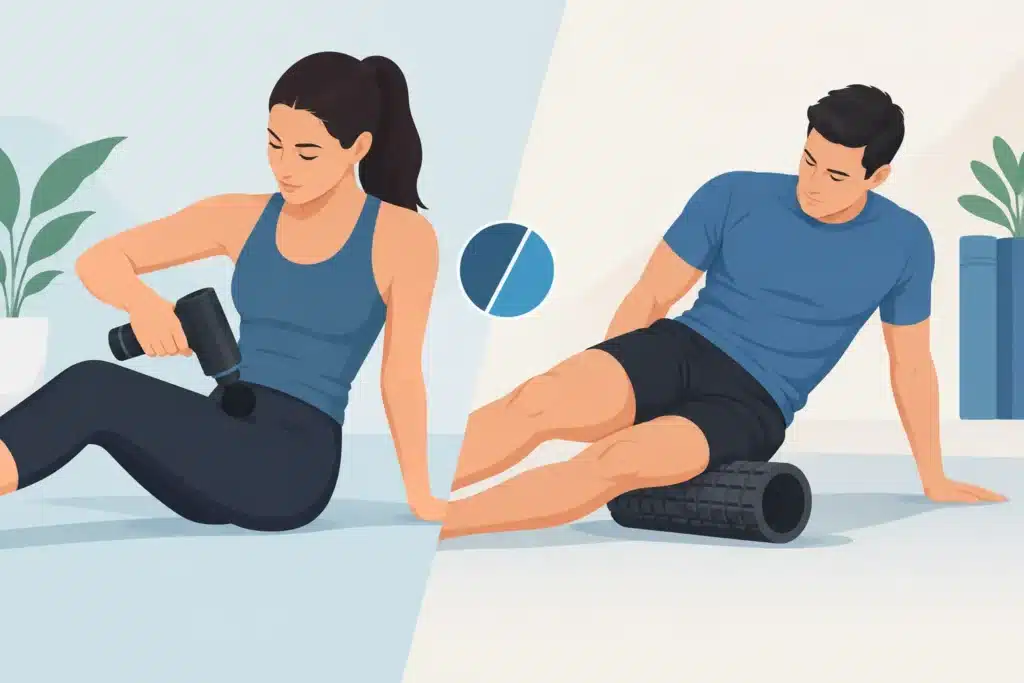
Both can be valuable parts of an at-home recovery routine. They simply deliver pressure in very different ways. One gives you targeted, powered pulses. The other uses your body weight to create broad, sustained pressure. Knowing where each shines can help you spend less time managing soreness and more time feeling comfortable in your body.
Percussion Therapy Versus Foam Rolling: The Core Difference
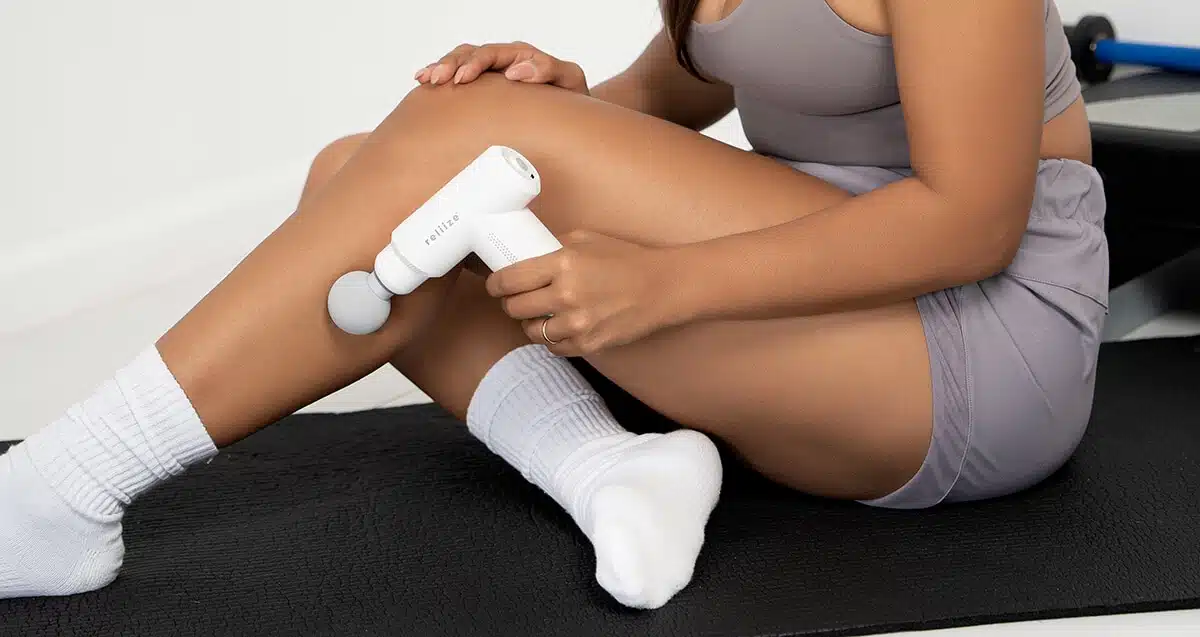
Percussion therapy uses rapid, repetitive pulses against the soft tissue. A massage gun typically lets you choose a speed and, in some cases, a massage head suited to larger muscles or more precise areas. It is designed to bring a concentrated massage sensation to the spot you choose without requiring you to lie on the floor or brace your body over a roller.
Foam rolling is self-massage with a cylindrical roller. You position the roller under a muscle group and move your body over it slowly. The pressure comes from your own body weight, which can make it wonderfully simple but also harder to control in sensitive areas.
Neither tool literally breaks up knots or flushes toxins from muscle. Those common promises oversimplify what is happening. The useful goal is more practical: temporary relief from stiffness and soreness, a calming massage effect, and a better sense of movement before or after activity. Both may also support short-term flexibility when used thoughtfully.
When Percussion Therapy Feels Better
A massage gun is often the more convenient choice when you need targeted relief without turning recovery into another workout. You can sit at your desk, on the couch, or at the edge of the bed and reach the upper traps, forearms, glutes, quads, calves, and feet with much less repositioning than a roller requires.
This matters for people who carry tension from desk work. Rolling the upper back can feel good, but trying to foam roll the neck or shoulder area is awkward and may lead to poor positioning. Percussion therapy gives you more control over where the sensation lands. Use a low setting around tender areas, keep the device moving, and let the pressure stay comfortable rather than intense.
It also works well when one side needs more attention. Maybe your right calf is sore after a weekend hike, or one glute feels tight after commuting and sitting. With a massage gun, you can spend a brief, intentional amount of time on that area instead of loading your full body weight onto a roller.
The speed is another advantage. A short session of one to two minutes per major muscle group can fit before a workout, after work, or while winding down for sleep. That convenience is why smart recovery tools can be easier to turn into a genuine daily ritual. A device you can grab in five minutes is more likely to help than a routine that feels like a chore.
That does not mean more power is better. High intensity can feel unpleasant, especially on a sore muscle. Start gently and build only if it remains comfortable. Percussion therapy should feel relieving, not like you are trying to overpower your body.
Best uses for a massage gun
Percussion therapy is especially practical for post-workout calves and quads, tight glutes, foot fatigue, forearm tension from computer use, and upper-back muscle soreness. It can also be a helpful warm-up tool when applied briefly to the muscles you plan to use, followed by the movement itself.
For a more restorative experience, use a low setting after a warm shower or before bed. Pair it with slow breathing and a few gentle stretches rather than treating it as a punishment for having a busy day.
When Foam Rolling Is the Better Choice
Foam rolling is still one of the most accessible recovery habits around. It needs no charging, has a lower upfront cost, and is particularly effective for broad areas where you want slow, consistent pressure. The mid-back, lats, quads, hamstrings, and glutes are common examples.
Many people also enjoy the active nature of rolling. You are not just receiving pressure. You are moving, adjusting your position, and becoming more aware of where your body feels guarded or limited. For someone building a pre-workout mobility routine, that can be a real benefit.
A roller can cover a large muscle group in a calm, measured way. Spend 30 to 60 seconds moving gradually over an area, then pause at a tender-but-tolerable point for a few breaths. There is no prize for forcing yourself through sharp pain. If you are holding your breath, grimacing, or tensing against the roller, back off.
The trade-off is that foam rolling can be physically demanding. Rolling the calves, for example, asks your arms and shoulders to support much of your weight. It is not always ideal if your wrists are sore, your core is fatigued, or getting down to the floor is difficult. It can also be hard to target smaller muscles with precision.
Best uses for a foam roller
Choose a foam roller when you want an affordable, full-body tool and have the space to use it. It is a strong option for a deliberate mobility session, especially before strength training or after a long day of sitting. A softer roller is usually more comfortable for beginners; firmer or textured rollers can feel more intense, but intensity is not automatically more effective.
Avoid rolling directly over joints, the low back, the front or side of the neck, the spine, or any area that feels numb, bruised, swollen, or sharply painful. Work the surrounding muscles instead.
Which One Is Better for Recovery?
For many people, percussion therapy wins on convenience and precision. It is easier to use while seated, easier to direct toward a specific tight spot, and easier to fit into a packed schedule. If your biggest barrier is finding time for self-care, a massage gun may deliver more real-world value because it lowers the effort required to start.
Foam rolling may be better if you enjoy a slower, floor-based recovery practice and want broad pressure across large muscle groups. It also makes sense for anyone who prefers a manual tool with no settings or charging.
The most useful answer is often both, used differently. You might foam roll your upper back and quads before a workout, then use percussion therapy later on your calves or glutes when you want focused relief. But you do not need a cabinet full of devices to feel better. Pick the one that matches your body, budget, space, and routine.
How to Use Either Tool Without Overdoing It
Start with a light touch. For a massage gun, glide over the muscle instead of drilling into one point, generally staying under two minutes per area. For foam rolling, move slowly and avoid spending long periods pressing into a painful spot. A little can go a long way.
Use either tool on muscle tissue, not directly over bones, joints, veins, or the front of the throat. Stop if you feel sharp pain, tingling, numbness, dizziness, or symptoms that travel down an arm or leg. If you have an injury, osteoporosis, circulation concerns, reduced sensation, are pregnant, take blood thinners, or have a medical condition that affects your muscles or nerves, ask a qualified clinician what is appropriate for you.
Also remember that recovery is bigger than any device. Water, nourishing meals, gradual training, quality sleep, stress management, and regular movement set the foundation. A tool can make those habits feel more enjoyable, but it cannot replace them.
A Simple Way to Choose
Choose percussion therapy if you want quick, customizable relief for a particular area, prefer recovering from the couch or desk, or struggle to make floor-based mobility work fit your day. A well-designed massage gun, such as a Reliize massage device, can make a few minutes of targeted comfort feel like a small at-home reset.
Choose foam rolling if you want a lower-cost tool for broad muscle groups and enjoy a slower, more active recovery session. If you are torn, start with the discomfort you feel most often. Desk-bound shoulders and foot fatigue tend to favor percussion therapy. A full-body pre-workout routine often favors a roller.
Your body does not need a punishing recovery ritual to feel cared for. Choose the method that makes you exhale, move more freely, and look forward to giving yourself a few quiet minutes of relief.
