

wellness
Massage Guns for Smarter Muscle Relief at Home

Oct
That tight band between your shoulder and neck after a long day at the desk is not always something you can stretch away. Massage guns offer a practical way to bring focused percussion therapy into your recovery routine, whether you are dealing with post-workout soreness, stiff hips, or the everyday tension that builds when life moves too fast.
The appeal is simple: relief on your schedule. A few intentional minutes can help warm up an area before movement, ease the feeling of tightness afterward, and create a small reset between meetings, errands, workouts, and everything else competing for your attention.
What Massage Guns Actually Do
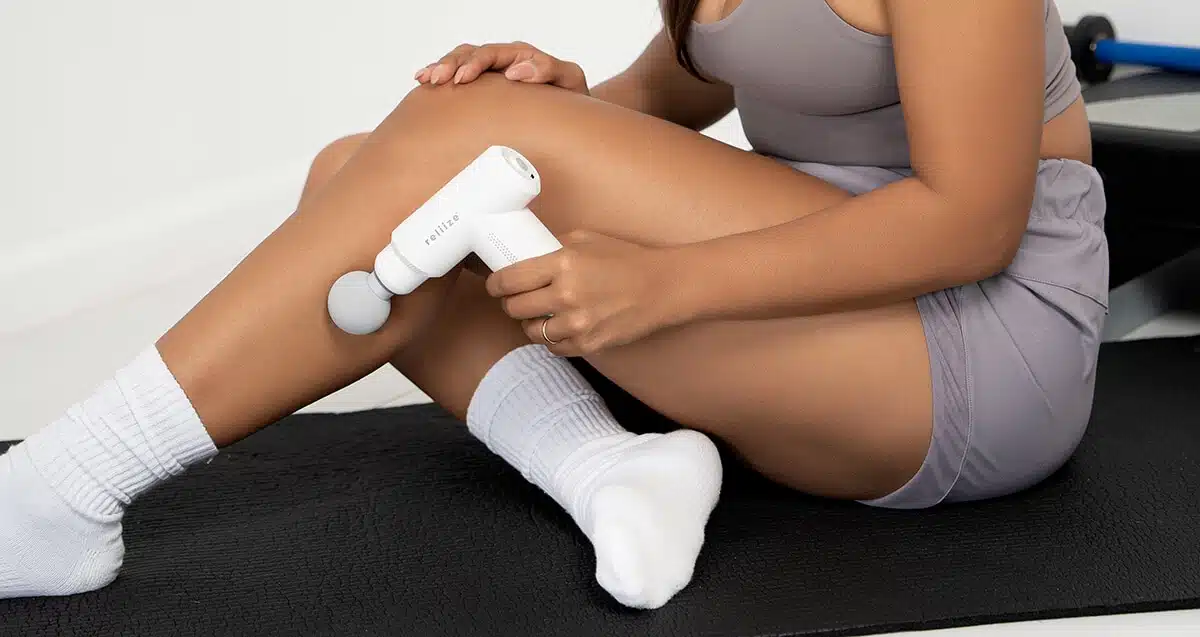
Massage guns use a rapidly moving attachment to deliver repeated pulses to the surface of the muscle. This is often called percussion therapy. The sensation is more targeted and rhythmic than rubbing a sore area with your hands, and the adjustable speed settings let you make the experience gentler or more intense.
For many people, this can temporarily reduce the feeling of muscle tightness and support a more comfortable range of motion. It can also feel deeply relaxing after sitting in one position for hours. That does not mean a device can diagnose an injury or replace care from a qualified medical professional. Think of it as a convenient recovery tool, not a cure-all.
The difference often comes down to consistency. A massage gun used thoughtfully for a few minutes after a workout, before a walk, or at the end of a screen-heavy day can become a reliable cue for your body to slow down and recover.
When a Massage Gun Makes the Most Sense
The best time to use a massage gun depends on what your body needs that day. Before activity, a brief, light session can help you feel more prepared to move. Focus on the muscle groups you plan to use, such as your glutes before lower-body training or your calves before a longer walk. Keep it moving rather than pressing into one spot.
After activity, you may prefer a slower setting and a longer pass over muscles that feel worked. Quads, hamstrings, calves, upper back muscles, and glutes are common choices. The goal is comfort, not endurance. If you are bracing against the sensation or holding your breath, reduce the speed or pressure.
Massage guns are equally useful for non-athletes. Professionals who spend hours at a laptop may appreciate a short session around the upper back, shoulders, forearms, and glutes. These areas can feel stiff after prolonged sitting, repetitive mouse use, or carrying stress in the shoulders. Pairing percussion with a few gentle stretches and a glass of water can make an ordinary break feel more restorative.
How to Use Massage Guns Without Overdoing It
Good technique is less about force and more about attention. Let the device glide slowly across the muscle and allow its percussion to do the work. You do not need to drive the attachment deeply into your body for it to feel effective.
Start on the lowest comfortable setting. Spend about 30 seconds to two minutes moving across one muscle group, then reassess. For a small, tender area, less time is usually better. For a larger muscle such as the glutes or thighs, you can make several slow passes instead of lingering in one place.
Avoid using a massage gun directly over bones, joints, the front or side of the neck, the spine, visible veins, numb areas, or broken and irritated skin. Do not use it on a fresh injury that is swollen, bruised, or sharply painful. If you have a medical condition, are pregnant, take blood-thinning medication, have reduced sensation, or have concerns about circulation, ask a healthcare professional before adding percussion therapy to your routine.
Pain is useful information. Mild tenderness or a pleasant ache can be normal, especially after exercise. Sharp pain, tingling, increased numbness, or worsening symptoms are reasons to stop.
Choosing the Right Attachment and Setting
Attachments are not just accessories. They can change how concentrated or forgiving the massage feels. A soft, round attachment is often the easiest place to start because it works well across larger muscle groups and feels comfortable for everyday use.
A flatter attachment can provide broad contact for areas such as the thighs or upper back. A smaller, more focused attachment may be useful around dense muscles in the feet, glutes, or shoulders, but it requires a lighter touch. The more targeted the attachment, the more important it is to avoid bony areas and sensitive spots.
Speed matters, too. Lower settings tend to suit relaxation, warm-ups, and areas that are already tender. Higher settings can feel energizing on large, resilient muscles, especially if you enjoy a more intense treatment after training. There is no prize for choosing the highest level. The right setting is the one that leaves the area feeling looser and more comfortable, not irritated.
Build a Recovery Ritual You Will Actually Keep
The most effective wellness routines are the ones that fit real life. Keep your massage gun where you are likely to use it: near your workout space, beside the couch, or in a drawer close to your desk. A visible device is a gentle invitation to take care of yourself before tension becomes your normal.
Try connecting it to an existing habit. Use it for five minutes while your coffee brews after a morning workout, after you change out of work clothes, or while you wind down before bed. You do not need an elaborate routine to feel a difference. A few minutes of intentional care can create a meaningful pause in a packed day.
For an easy post-desk reset, begin with the upper back muscles on either side of the spine, then make gentle passes over the shoulders and glutes. Finish with a light pass over the calves if you have been sitting all day. Follow with shoulder rolls, a short walk, or slow breathing. The combination helps turn a quick device session into a fuller moment of relief.
What to Expect From Your First Few Sessions
Many people notice an immediate feeling of warmth or relaxation in the treated area. Others need several sessions before they learn which speed, attachment, and timing feels best. Both experiences are normal.
A massage gun cannot erase the effects of poor sleep, overtraining, dehydration, or an ergonomic setup that keeps placing strain on the same area. It works best as one part of a bigger recovery picture that includes movement, rest, hydration, and listening to your body.
If soreness regularly interferes with daily life, lasts longer than expected, or follows a specific injury, do not simply massage through it. Getting the right guidance can protect your recovery and help you return to the activities you enjoy with more confidence.
Make Relief More Convenient
At-home recovery should not require scheduling an appointment every time your body feels overworked. A quality massage gun gives you a simple, customizable way to bring targeted comfort into your day, whether you are training hard, commuting long hours, or carrying the quiet tension of a demanding week.
Reliize believes wellness technology should feel approachable, not complicated. Start gently, stay consistent, and let a few minutes of focused care become the part of your routine that helps you feel ready for what comes next.

