




wellness
Is Infrared Heat Safe for Everyday Recovery?
Nov
After a long day of screens, tight shoulders, hard workouts, and too little downtime, heat can feel like the fastest route back to yourself. But is infrared heat safe when you are using it at home? For most healthy adults, infrared heat can be a comfortable, low-impact way to support relaxation and temporary muscle relief when it is used thoughtfully. The key is treating heat as a wellness tool, not a challenge to endure.
Infrared sauna blankets and other heat-based recovery devices are designed to make an at-home reset more accessible. They can help you unwind without booking a spa appointment or making recovery another item on your calendar. Still, the best session is never the hottest or longest one. It is the one that leaves you calm, comfortable, and ready to get on with your day.
How infrared heat works
Infrared heat uses electromagnetic energy to create warmth in the body and surrounding tissue. Unlike ultraviolet light, infrared heat is non-ionizing, which means it does not carry the same DNA-damaging concern associated with UV exposure from the sun or tanning beds. You are not getting a tan from an infrared sauna blanket.
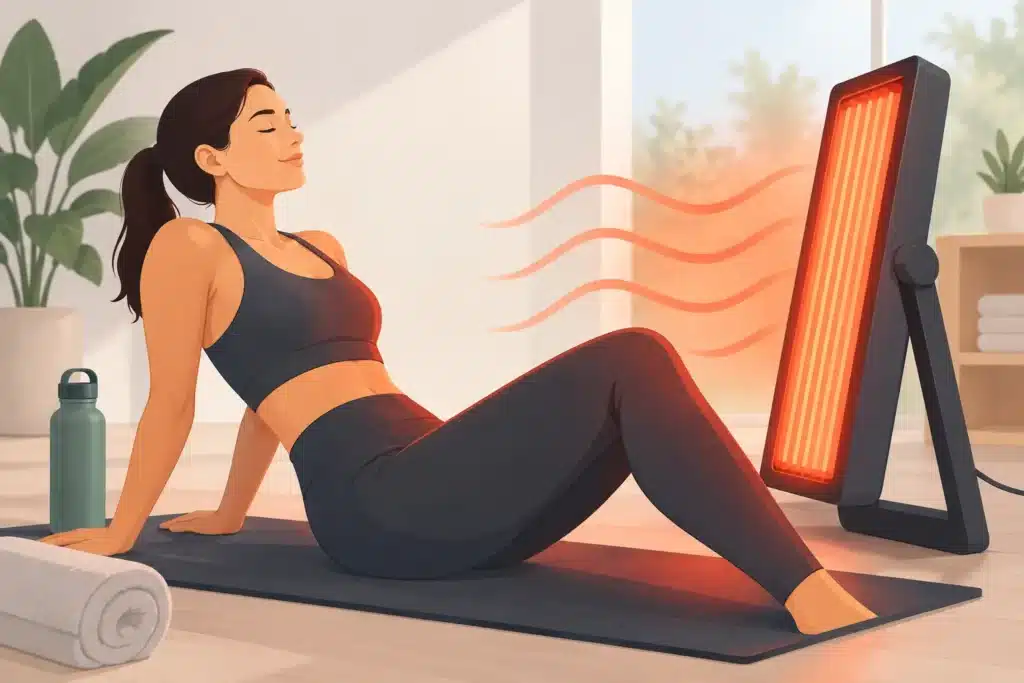
What you do feel is warming. As your body temperature rises, blood flow near the skin can increase, muscles may feel less stiff, and your nervous system may shift toward a more relaxed state. That is why heat is often appealing after a workout, a stressful workday, or hours spent sitting at a desk.
Infrared devices are often described as producing a deeper-feeling warmth than hot air alone. That experience can be soothing, but it does not make the body immune to heat stress. Your body still has to regulate temperature, and that is where sensible use matters.
Is infrared heat safe for most people?
For generally healthy adults, short, moderate infrared heat sessions are usually well tolerated. The most common issues are not dramatic. They are practical: feeling too hot, becoming dehydrated, lightheadedness, nausea, or skin irritation from excessive heat or prolonged contact.
Safety depends on the device, its temperature settings, session length, your hydration, and your health history. A person who feels great after 20 minutes at a moderate setting may feel unwell after 45 minutes at a higher setting. More heat is not automatically more recovery.
It also helps to be realistic about what heat can do. Infrared heat may support temporary comfort, relaxation, and a sense of muscle looseness. It is not a cure for an injury, infection, chronic pain condition, or unexplained symptoms. If pain is sharp, severe, new, or getting worse, skip the heat session and seek medical guidance instead.
When to check with a healthcare professional first
If you have a medical condition, take prescription medication, or are unsure how your body handles heat, a quick conversation with a healthcare professional is a smart first step. This is especially true for people with heart disease, uncontrolled high blood pressure, circulation concerns, kidney disease, diabetes with reduced sensation, or a history of fainting.
Heat can also be a poor fit if you have a condition that affects sweating or temperature regulation, such as multiple sclerosis or autonomic dysfunction. Reduced sensation in the skin or feet can make it harder to recognize when a surface is too hot, which increases burn risk.
Pregnant people should ask their prenatal care provider before using an infrared sauna blanket or any device intended to raise body temperature. The same caution applies if you have a fever, are actively sick, have an open wound or irritated skin in the treatment area, or are recovering from a recent procedure.
Medication deserves attention, too. Some medicines can change how you sweat, affect blood pressure, cause drowsiness, or increase dehydration risk. Diuretics, certain blood pressure medications, sedatives, stimulants, and some allergy medications are examples that may warrant personalized advice from a clinician or pharmacist.
Smart infrared heat safety habits at home
Your body gives useful feedback during a heat session, provided you leave room to listen. Start on the lowest comfortable setting and keep your first sessions brief. Think of this as learning your personal response, not testing your tolerance.
Hydrate before and after your session. You do not need to force large amounts of water, but beginning a session already dehydrated is a bad idea. If you have been exercising, drinking alcohol, spending time in the sun, or feeling under the weather, postpone your session until you are fully rehydrated and feeling normal.
Wear light, breathable clothing if the product instructions permit it, and use the device exactly as directed. Do not alter electrical components, fold a blanket in a way the manufacturer does not approve, cover ventilation areas, or fall asleep during use. An infrared sauna blanket should be an intentional recovery ritual, not something you switch on and forget.
Avoid combining intense heat with alcohol, recreational drugs, or anything that makes you sleepy or less aware of how you feel. Do not use heat right after a scalding shower or alongside another high-heat device. Stacking heat exposure can make overheating happen faster than expected.
For muscle soreness, many people enjoy infrared heat after activity or on a rest day. For a fresh injury that is swollen, warm, or visibly inflamed, heat may not be the right first move. Early care often calls for an individualized approach, especially if there is significant swelling, bruising, weakness, or limited movement.
Know the difference between warmth and warning signs
A gentle sweat, relaxed muscles, and a calm, pleasantly warm feeling can be normal. Feeling dizzy, weak, nauseated, confused, short of breath, or unusually uncomfortable is not something to push through. Stop the session, move to a cooler environment, and sip water.
If you feel faint, have chest pain, experience a racing or irregular heartbeat, or do not feel better after cooling down, seek urgent medical care. Skin that feels painful, looks unusually red, or develops a burn also deserves attention. Heat therapy should feel supportive, never punishing.
The same principle applies to recovery expectations. You may notice that your shoulders feel easier, your legs feel less heavy, or your mind settles more quickly before bed. Those are worthwhile benefits. But if you are using heat to avoid dealing with recurring headaches, persistent numbness, ongoing sleep disruption, or chronic pain, it is time to look beyond a wellness device and get a professional assessment.
Making heat part of a recovery routine that lasts
The safest routine is usually the most sustainable one: moderate sessions, consistent hydration, and enough time to cool down afterward. Pairing infrared heat with gentle stretching, quiet breathing, or a screen-free wind-down can make the experience feel even more restorative without demanding more from your body.
Choose a well-made device with clear temperature controls, straightforward instructions, and built-in safety features. A product should make relaxation feel easier, not leave you guessing about settings, timing, or comfort. At Reliize, the goal of at-home wellness technology is simple: bring more relief and recovery into real life, on your terms.
If infrared heat leaves you feeling refreshed rather than drained, it can become a reassuring part of your self-care rhythm. Start gently, stay aware of your body’s signals, and let comfort – not intensity – guide every session.
