


wellness
Heat Versus Percussion: Which Relief Fits?

Oct
Your shoulders are tight after eight hours at a screen. Your legs feel heavy after a workout. Your lower back is asking for a break. In each case, heat versus percussion can feel like a very different choice, even when the goal is the same: less tension, more comfort, and a body that feels easier to move.
Both approaches can earn a place in an at-home wellness routine. Heat creates a soothing, warming sensation that helps you slow down and settle in. Percussion delivers quick, targeted pulses designed to work into areas that feel overworked or stiff. The better option depends on what your body needs right now, how sensitive the area feels, and whether you want deep recovery support or calm, comforting relaxation.
Heat Versus Percussion: The Core Difference
Heat therapy works from the outside in. A heated device or compress raises the temperature of the skin and surrounding soft tissue, creating a gentle sensation that can make muscles feel more pliable and relaxed. It is the kind of relief many people reach for when they are winding down after a long day, managing everyday stiffness, or preparing their body for a slower stretching session.
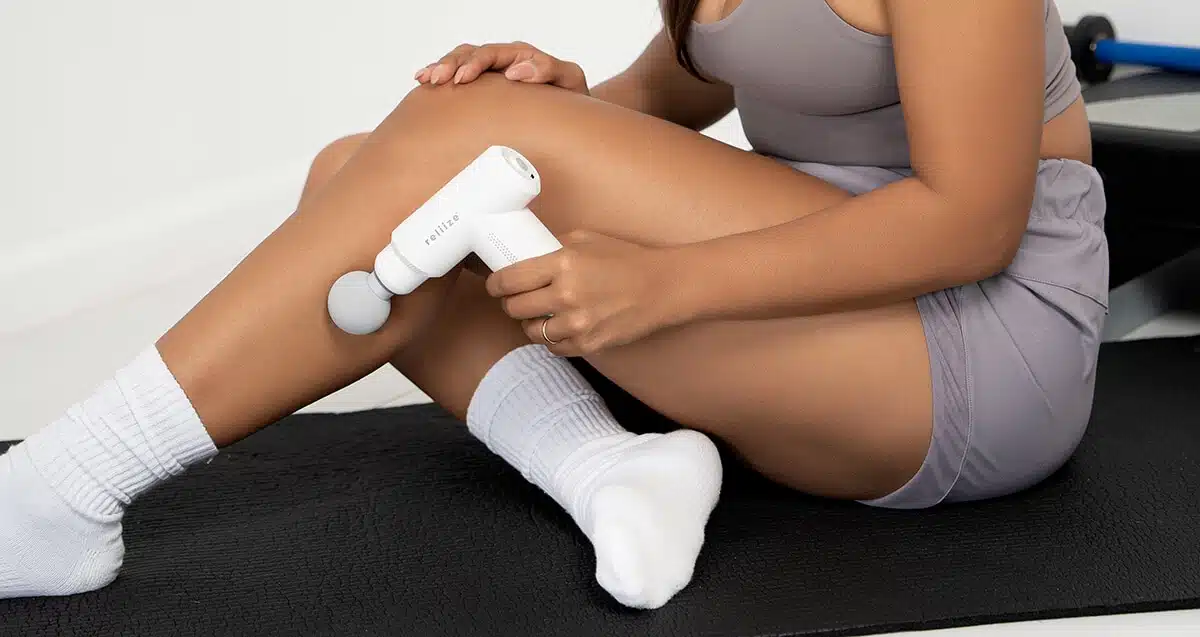
Percussion therapy works through repeated, rapid taps or pulses. A massage gun uses an attachment that moves back and forth against the muscle, delivering focused stimulation to a specific area. Rather than creating a broad feeling of warmth, it offers a more active massage experience. Think of it as targeted attention for your calves after a long run, your quads after leg day, or the dense knots that build between your shoulder blades.
Neither is automatically better. Heat tends to feel gentler and more calming. Percussion tends to feel more direct and energizing. Your choice should reflect the type of discomfort you are experiencing, not simply the device with the highest setting.
When Heat May Be the Better Choice
Heat is often a natural fit for general muscle tightness, stress-related tension, and moments when your body feels guarded or stiff rather than intensely sore. A warm session can be especially appealing in the evening, when you want to transition away from work mode and toward rest.
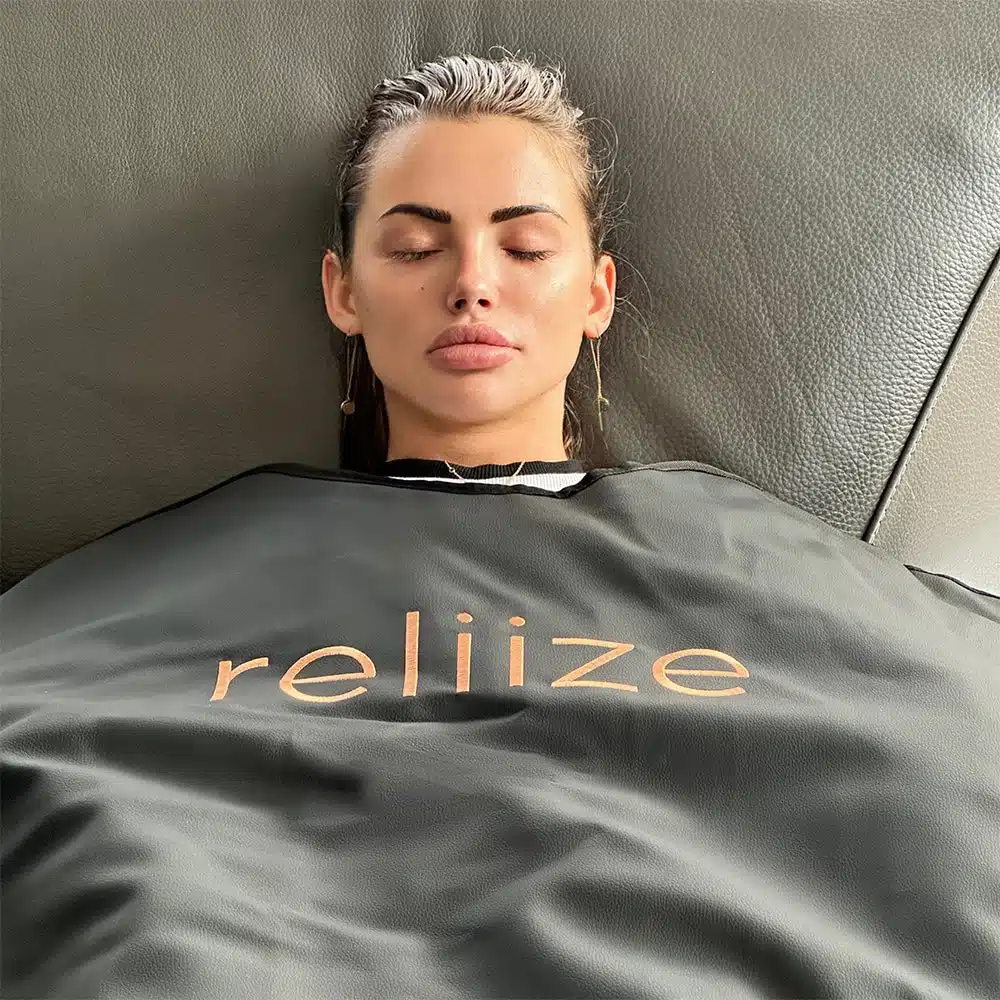
For desk workers, this may mean applying comfortable warmth to the upper back, neck, or shoulders before light mobility work. For anyone whose body feels sluggish in the morning, a brief warming session may make gentle movement feel more inviting. Heat can also be a comforting addition to a self-care ritual alongside an infrared sauna blanket, a warm shower, or a quiet stretch before bed.
The experience matters. When stress is high, a powerful massage may feel like too much. Warmth asks less of you. It encourages you to pause, breathe, and give your body a chance to release some of the tension that accumulates through meetings, commutes, workouts, and poor sleep.
Heat is not usually the first choice for a fresh injury, visible swelling, or an area that feels hot and inflamed. If pain is sudden, severe, or persistent, skip the device and speak with a qualified healthcare professional. Home wellness tools are designed to support comfort and recovery, not diagnose or treat medical conditions.
When Percussion May Be the Better Choice
Percussion can be a smart option when a particular muscle group feels dense, fatigued, or hard to loosen through stretching alone. It is popular with active people because it is quick, portable, and easy to direct exactly where it is needed.
Before exercise, a short, low-intensity percussion session may help you feel more awake and ready to move. After exercise, it can feel satisfying on commonly overworked areas such as the glutes, hamstrings, calves, and upper back. The goal is not to punish sore muscles into submission. It is to use controlled stimulation that helps your body feel more comfortable as part of a broader recovery routine that includes hydration, nutrition, sleep, and appropriate movement.
Percussion is also useful for people who do not have time for a full massage appointment. A few minutes on one or two areas can be more realistic than hoping a tight spot disappears on its own. Smart massage guns make this easier by offering adjustable speeds and attachments, so you can choose a softer approach for sensitive areas and a more focused setting for larger muscle groups.
More intensity is not always more effective. If you are tensing up, holding your breath, bruising easily, or feeling sharp pain, lower the speed, use a softer attachment, or stop. Percussion should feel productive and tolerable, not aggressive.
How to Choose Based on What You Feel
Start by paying attention to the quality of the tension. A broad, dull stiffness after sitting all day often responds well to warmth and gentle movement. A specific tight calf after a long walk may be a better candidate for light percussion. If you are feeling mentally overstimulated as well as physically tense, heat may offer the more relaxing reset.
Timing changes the answer too. Percussion can be useful when you want to feel prepared to move or when you need a short recovery session between activities. Heat is often more appealing when the day is ending and relaxation is the priority. There is no rule that says you have to choose one category forever. Many people benefit from having both options available.
Consider the body area as well. Larger muscles, such as the thighs and glutes, can usually handle a massage gun more comfortably than bony or delicate areas. Avoid using percussion directly over joints, the front or sides of the neck, the spine, varicose veins, numb areas, or broken skin. Keep the device moving rather than pressing it into one spot for too long.
For heat, make sure the temperature feels comfortably warm, never painfully hot. Do not fall asleep while using a heating device, and avoid heat if you cannot reliably sense temperature in the area. These simple precautions help keep at-home recovery safe and enjoyable.
Can You Use Heat and Percussion Together?
Yes, when used thoughtfully, heat and percussion can complement each other. Warmth may help you feel more relaxed before a gentle massage session, while a brief percussion routine can address a stubborn muscle group after movement. The order is less important than your response. Start low, keep sessions short, and adjust based on how you feel afterward.
A simple evening routine could begin with several minutes of comfortable heat on tense shoulders, followed by light mobility work. A post-workout routine might use a massage gun on the calves or quads for a short period, then finish with a warm shower or sauna blanket session for relaxation. This combination supports a spa-like recovery experience without needing to leave home.
If you have a health condition, are pregnant, take blood-thinning medication, have reduced sensation, or are recovering from surgery, ask your healthcare provider before adding heat or percussion therapy to your routine. The same applies if muscle pain is accompanied by weakness, tingling, fever, major swelling, or symptoms that do not improve.
Build a Recovery Routine You Will Actually Use
The best device is the one that fits your real life. If your biggest challenge is stress and screen-heavy days, prioritize warmth, comfort, and a ritual that helps you unplug. If workouts, travel, or long shifts leave specific muscles feeling overworked, percussion may give you the targeted support you want in minutes.
Reliize recovery tools are designed to make that choice feel less complicated: modern comfort, adjustable technology, and at-home relief that can meet you where you are. Start gently, stay consistent, and let your routine evolve with your body. Some days call for a deeper reset. Others simply call for warmth, stillness, and permission to feel good again.
