
wellness
Head Massager Benefits for Stress and Sleep

Oct
Your shoulders are tight, your jaw is clenched, and that dull pressure behind your eyes has followed you from your desk to the couch. For many people, this is not an occasional bad day. It is the predictable result of hours of screens, meetings, commuting, notifications, and trying to switch off when the day finally ends. A head massager offers a simple way to create a pause – without scheduling a spa appointment or leaving home.
The appeal is not complicated. Gentle massage around the scalp, temples, and forehead can feel deeply calming after a mentally demanding day. The right device makes that comfort easier to repeat, turning a few quiet minutes into a consistent recovery ritual.
Why a Head Massager Feels So Good
The scalp is sensitive, and it often holds more tension than people realize. Stress can show up as a tight scalp, a furrowed brow, a clenched jaw, or the urge to rub your temples after hours of concentration. A head massage brings pleasant, controlled stimulation to those areas, helping you slow down and shift your attention away from the day’s demands.
There is also a powerful routine effect. When you use a massager in the same low-light, low-noise window each evening, your brain begins to associate that experience with rest. Massage is not a replacement for medical care, good sleep habits, hydration, or stress management. But it can be a genuinely useful comfort tool within a bigger wellness routine.
For screen-heavy workers, the timing matters. A short session after work can create a boundary between productivity mode and personal time. Instead of carrying the physical tension of your workday into dinner, exercise, or bed, you give your body a clear signal that it is time to decompress.
What a Smart Head Massager Can Add
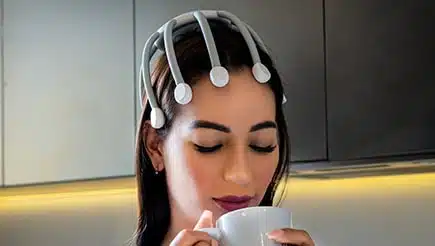
A simple manual scalp tool can feel nice, but a 360-degree smart head massager can offer a more consistent, hands-free experience. Rather than relying on your own hand pressure when you are already tired, it can use designed massage nodes and programmed movement to reach broad areas of the head comfortably.
The most useful features are not always the flashiest. Look for adjustable settings that let you choose a gentler or more invigorating session, an ergonomic fit that does not create uncomfortable pressure, and controls simple enough to use when you are ready to relax. Quiet operation is another major benefit if you plan to use it while listening to calming music, meditating, or preparing for sleep.
A well-designed device should feel supportive, not overwhelming. More intensity is not automatically better, especially around the head. The goal is relief and relaxation, not a sensation you need to endure. Start with a lower setting and give yourself time to learn what feels best.
Massage modes should match the moment
Your needs at 7 a.m. may be different from your needs at 10 p.m. A brighter, more stimulating massage pattern may suit a midday reset when your focus is fading. A slower, gentler setting is often a better choice before bed, particularly if you are trying to build a calming wind-down ritual.
This flexibility is where smart wellness technology earns its place at home. You can choose an experience based on how you feel now, rather than booking a service days in advance and hoping it fits your mood when the appointment arrives.
Head Massager Benefits That Fit Real Life
The best self-care tools are the ones you actually use. A head massager works well because it asks very little of you. It can fit into the ten minutes after you close your laptop, the quiet stretch before bed, or a weekend recovery routine after a demanding week.
Many people use one to support relaxation when stress feels physical. It may help make a tense evening feel more manageable, especially when paired with a few other basics: a glass of water, reduced screen brightness, slower breathing, and a more comfortable position on the couch or bed.
It can also be a welcome addition for people who enjoy scalp care. A relaxed scalp massage may feel especially satisfying before washing your hair or during a personal care routine. That said, if you have extensions, a sensitive scalp, fresh color treatment, irritation, or a skin condition, gentler use is the smarter approach. Comfort should always guide the session.
There is a practical value, too. At-home massage devices offer a repeatable spa-inspired experience without the travel, appointment coordination, or cost of frequent professional services. That does not mean every device replaces a skilled massage therapist. It means you have an accessible option for the everyday moments when you need relief now.
How to Use a Head Massager for Better Relaxation
Start by choosing a place where you can fully settle in. Sit back with neck support or lie down if the device is designed for it. Remove glasses, hair clips, or anything that may interfere with a comfortable fit. If your hair is tangled, brush it first so the session stays pleasant from start to finish.
Begin on the lowest comfortable setting for five to 10 minutes. Let your shoulders drop. Try breathing slowly, with a longer exhale than inhale. You do not need to turn the session into a major wellness project. The point is to give your nervous system fewer demands for a few minutes.
If you are using your head massager in the evening, keep the rest of the environment calm. Dim the lights, leave your phone in another room if possible, and avoid turning the session into another time to scroll. The device can provide the physical comfort, but the surrounding ritual helps protect the mental space.
For a midday reset, use a shorter session. Two to five minutes may be enough to interrupt a cycle of tension and help you return to work feeling less wound up. Follow it with a brief stretch, a few steps away from your desk, or a refill of water.
When to Be Careful
A head massager should feel soothing. Stop using it if you experience pain, dizziness, nausea, worsening discomfort, or skin irritation. Avoid using a massage device over open wounds, active scalp infections, recent surgical areas, or places with significant swelling.
If you have frequent or severe headaches, migraines that are changing in pattern, unexplained scalp pain, a neurological condition, or any medical concern about massage, speak with a qualified healthcare professional first. Massage may be comforting for some people during a headache, while others find stimulation makes symptoms worse. It depends on the person, the trigger, and the intensity of the episode.
The same principle applies to pressure. A snug fit may feel secure, but a device that squeezes too tightly can create more tension than it relieves. Adjust it, choose a lower mode, or stop the session. Wellness should never feel like pushing through discomfort.
Making It a Ritual You Will Keep
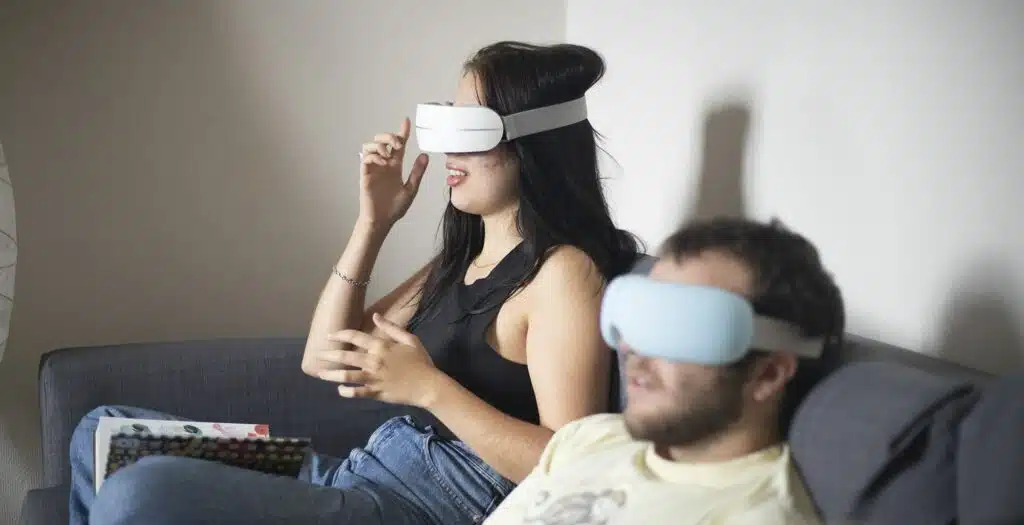
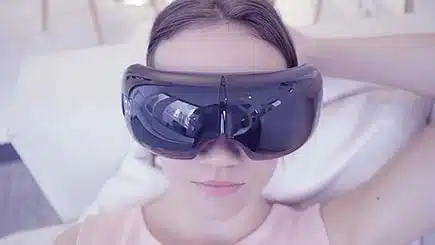
Consistency beats intensity. A peaceful 10-minute session several times a week can be more valuable than an elaborate routine you only do once. Keep your device where you naturally unwind: beside the couch, near your bedside table, or in your recovery corner with your eye massager, favorite blanket, and headphones.
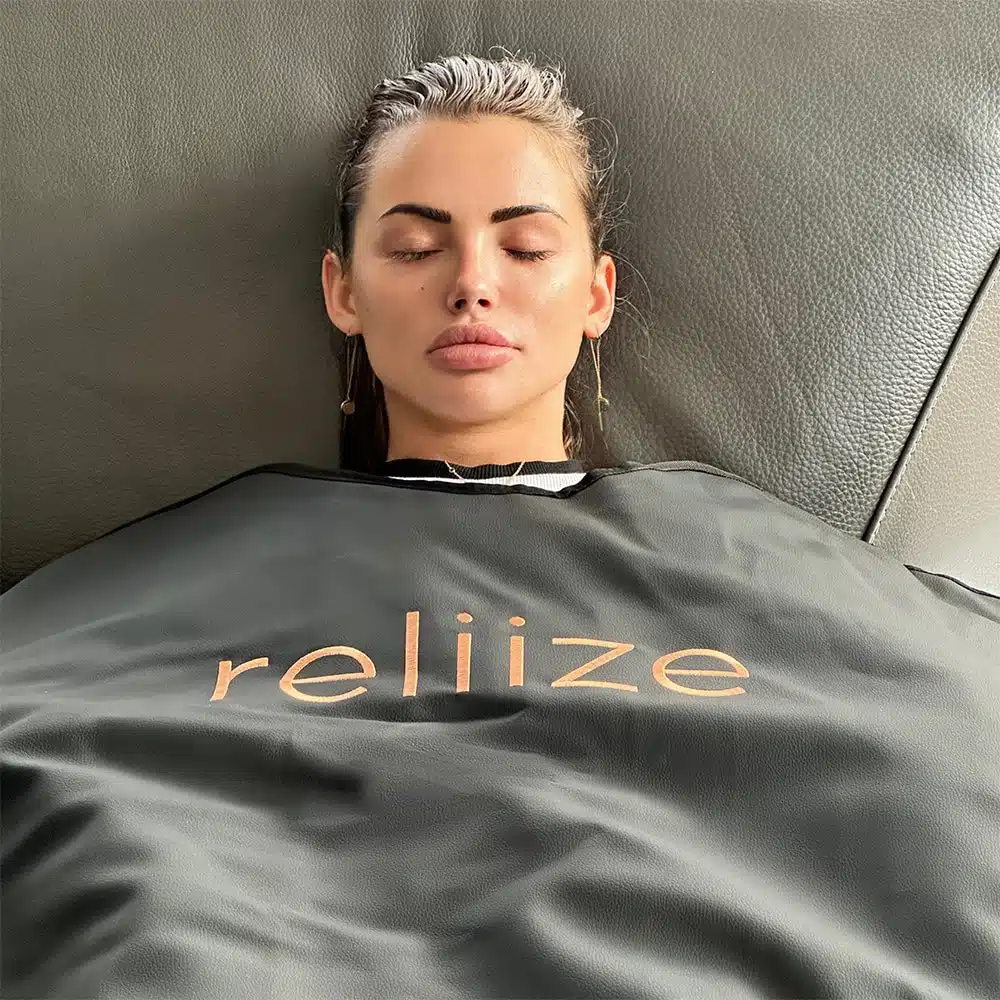
Reliize designs at-home wellness technology for exactly these real-life moments – when you want a more restorative evening without adding another appointment to your calendar. The most meaningful benefit is not just the massage itself. It is the chance to choose relief before stress becomes the default setting.
Tonight, give yourself a few uninterrupted minutes. Let your scalp soften, let your shoulders fall, and make comfort part of the way you end the day.

