




wellness
A Guide to Home Sauna Sessions That Feel Better

Oct
A good sauna session should leave you pleasantly loose, calm, and ready to rest – not drained, dizzy, or desperate for a glass of water. This guide to home sauna sessions is built for real life: the post-work tension, heavy legs after training, screen-fried mind, and evenings when a spa appointment is the last thing you have time for.
At-home heat therapy can make self-care feel far more accessible. But more heat and more time do not automatically mean better results. The most rewarding routine is usually the one you can repeat comfortably, with smart timing, hydration, and a cooldown that lets your body settle.
Why home sauna sessions can feel so restorative
Heat changes how your body feels quickly. As your temperature rises, blood vessels near the skin widen and your heart rate increases. Many people experience this as a deep sense of release: tight muscles feel less guarded, stiff joints may feel easier to move, and the mental noise of a demanding day begins to fade.
There is also a powerful routine effect. Stepping away from notifications, dimming the lights, and giving yourself 20 quiet minutes tells your nervous system that work, workouts, and responsibilities can wait. For screen-heavy professionals especially, that interruption can be as valuable as the warmth itself.
Still, a sauna is not a shortcut for hydration, sleep, medical care, or recovery fundamentals. Think of it as a comfort-focused ritual that can support your wind-down routine and help you feel more at ease in your body.
A guide to home sauna sessions: start with the right setup
Your ideal setup depends on the type of heat you use. A traditional sauna heats the surrounding air, while infrared options warm the body more directly. An infrared sauna blanket offers a particularly convenient route for smaller spaces and busy schedules, since it can deliver a cozy, enclosed heat experience without a dedicated sauna room.
Whichever format you choose, use a stable, ventilated space where you can lie down or sit comfortably. Keep drinking water within reach, wear light breathable clothing if your device calls for it, and place a towel between your skin and the surface when appropriate. Read the device instructions before your first session, especially for temperature settings, cleaning, and recommended duration.
Avoid treating your session like a test of endurance. If you feel faint, nauseated, unusually short of breath, get a pounding headache, or notice chest discomfort, stop immediately, cool down, and seek medical guidance if symptoms do not resolve.
Choose a realistic temperature and duration
Beginners often make one mistake: they turn the heat high and stay in too long because they want fast relief. Your body will get more from a session that feels sustainable than one that leaves you wiped out.
Start at a moderate setting for 10 to 15 minutes. If that feels comfortable on several separate occasions, build toward 20 to 30 minutes, following the guidance for your specific sauna or blanket. Some experienced users enjoy longer sessions, but longer is not automatically more therapeutic. Your current fitness, room temperature, hydration level, medications, and heat tolerance all matter.
A useful rule is simple: leave while you still feel good. You want to finish warm and relaxed, not overheated and depleted.
Time your session around your goal
For post-workout comfort, wait until your breathing and heart rate have returned closer to normal. Rehydrate first, then use gentle heat later as part of your recovery routine. Sauna heat can feel especially soothing after strength training, long walks, or a day of sitting, but it should not replace rest if you have a fresh injury, sharp pain, or significant swelling.
For sleep, try a session one to two hours before bed. The warm-up followed by gradual cooling may help signal that it is time to unwind. Keep the rest of the evening low-stimulation: softer lighting, fewer emails, and no rush back into a stressful task.
For stress relief, consistency beats intensity. A 15-minute session three evenings a week may do more for your sense of calm than an occasional marathon session when you are already exhausted.
Hydration is part of the session, not an afterthought
Sweating is expected, but it is not proof that you need to push harder. Your goal is to replace fluids thoughtfully before and after heat exposure.
Drink water during the hours leading up to your session, and take a few sips before you begin. Afterward, drink according to thirst and give your body time to cool. If you have had an intense workout, have been sweating heavily, or tend to cramp, a drink with electrolytes can be useful too.
Skip alcohol before a sauna session. It can increase dehydration and make it harder to notice when your body has had enough. Be cautious with large meals as well. A comfortably fed body is fine, but a very full stomach plus high heat can feel unpleasant.
Build a cooldown that extends the calm
The few minutes after a home sauna session can shape how good you feel for the rest of the night. Do not jump immediately into an ice-cold shower just because it is trending online. Cold exposure is optional, and it is not the right fit for everyone.
Instead, begin with a gentle transition. Step out, sit or lie down in a cooler room, and breathe slowly for several minutes. Let your heart rate settle. A lukewarm shower can rinse away sweat without shocking your system, while a cool shower may feel refreshing if you personally tolerate it well.
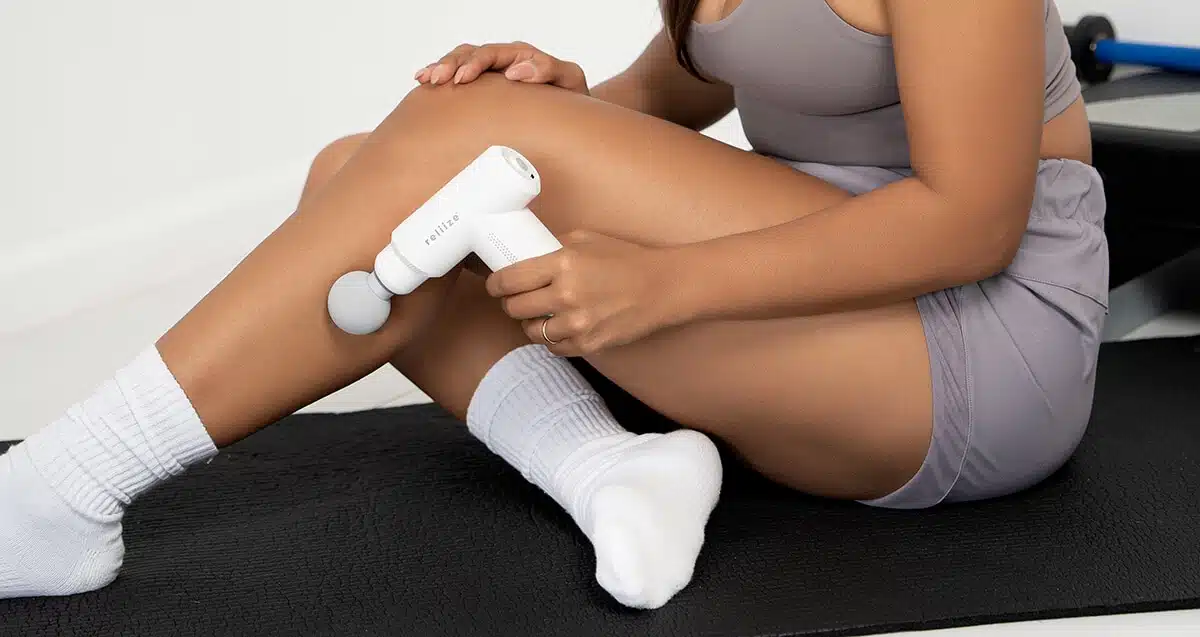
Then keep the benefits from evaporating under a pile of chores. Put on comfortable clothes, refill your water, and do one quiet thing: stretch lightly, read a few pages, listen to calming audio, or simply sit without a screen. If tight shoulders or sore legs are still asking for attention, a targeted massage device can complement the session with focused relief after you have cooled down.
Common mistakes that make heat feel worse
The biggest issue is often starting a sauna session already dehydrated, sleep-deprived, or overstimulated. Heat can magnify how you feel going in. If you are hungover, sick, feverish, or unusually fatigued, choose rest instead.
Another mistake is ignoring the early signs that you need a break. Lightheadedness is not something to power through. Nor is treating every sauna session as a calorie-burning workout. The scale may change briefly after sweating, but that is fluid loss, not meaningful fat loss. Rehydration should be the priority.
Finally, avoid loading your routine with too many rules. You do not need a complicated pre-sauna supplement stack, a dramatic cold plunge, and a 45-minute session to get value from heat. A comfortable temperature, enough water, and a few uninterrupted minutes are a strong foundation.
Who should check with a clinician first?
Sauna use is not appropriate for every body or every day. Speak with a healthcare professional before using a home sauna if you are pregnant, have cardiovascular disease, low blood pressure, uncontrolled high blood pressure, kidney disease, a condition that affects sweating, or a history of heat-related illness. You should also ask about heat exposure if you take medications that affect blood pressure, hydration, alertness, or temperature regulation.
If you are recovering from an illness or injury, let your symptoms guide you. Heat may feel comforting for everyday muscle tightness, but it is not a substitute for a diagnosis when pain is severe, persistent, or getting worse.
Your best home sauna routine is the one that leaves you feeling more like yourself: less tense, less rushed, and ready to move into the rest of your evening with a little more ease. Start modestly, pay attention to your body, and let comfort – not intensity – set the pace.

