
wellness
Eye Massager Safety for Confident Relief

Nov
A warm, gentle eye massage can be the reset button you reach for after a long day of screens, meetings, and too little sleep. But eye massager safety is what turns that relaxing ritual into a genuinely comfortable part of your routine. The goal is simple: soothing pressure around the eye area, never discomfort, strain, or a reason to push through pain.
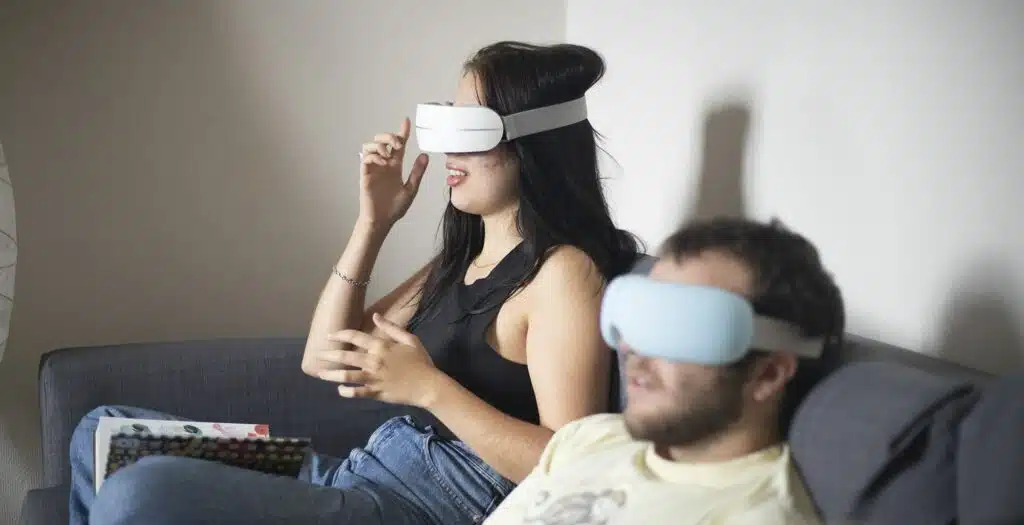
Smart eye massagers are designed to work around the eyes and temples using features such as air compression, vibration, heat, and rhythmic massage. Used thoughtfully, they can help you slow down, release facial tension, and create a calmer transition into rest. Like any personal wellness device, though, the right settings, timing, and health considerations matter.
What Eye Massager Safety Really Means
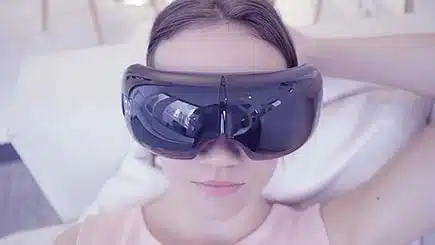
An eye massager should feel relaxing, not intense. Although the device rests over the eye area, a well-designed mask applies its massage around the orbital bones, brow, temples, and surrounding facial muscles rather than directly pressing on the eyeball. That distinction is why fit matters so much.
A safe session starts with a device that sits comfortably on your face without pinching your nose, squeezing your temples, or placing excessive pressure over your eyes. Air pressure can feel unfamiliar during the first use, especially if you carry a lot of tension in your forehead or jaw. Begin at the lowest comfortable setting and let your body adjust before deciding whether you want more intensity.
Heat deserves the same thoughtful approach. Gentle warmth can feel especially comforting when your eyes are tired from dry indoor air or hours of focused work. It should never feel hot enough to sting, make you sweat, or leave your skin unusually red. If it does, stop the session and allow the device to cool before using it again.
Start Slow With Settings and Session Length
More pressure is not automatically more effective. For most people, a short, low-intensity session is the best way to learn what feels good. Try five to 10 minutes the first few times, then increase only if your device instructions allow it and you remain fully comfortable.
Pay attention to what happens after you take the mask off. Your eye area should feel refreshed and relaxed. Mild temporary impressions on the skin can happen with a snug-fitting mask, but lingering soreness, headaches, blurred vision, dizziness, or increased eye sensitivity are signs to stop using it and reassess.
For a screen-heavy workday, an eye massager can work well as a break between tasks or as part of an evening wind-down. It is not a substitute for the basics that support eye comfort: blinking regularly, taking screen breaks, adjusting harsh lighting, staying hydrated, and using prescribed eye care when you need it.
Keep your eyes closed and stay present
Use an eye massager with your eyes gently closed. Do not try to read, scroll, walk around, cook, or drive while wearing it. A massage session is a few minutes to be still, which also helps you notice quickly if a setting is not right for you.
Avoid falling into a deep sleep while the device is running unless its instructions specifically say it is designed for unattended use. Automatic shutoff is a helpful feature, but it does not replace following the recommended session time and charging guidance.
When You Should Skip an Eye Massager
At-home wellness technology can be an excellent comfort tool, but it is not right for every eye concern. Skip use if you have an active eye infection, pink eye, a stye, unexplained redness, swelling, a rash around the eyes, a recent facial injury, or broken skin in the area. Massage and shared surfaces can irritate already-sensitive tissue and may spread infection.
You should also speak with an eye doctor or other qualified clinician before using an eye massager if you have glaucoma, retinal disease, diabetic eye disease, significant dry eye, a history of retinal detachment, severe migraines, or any condition that affects eye pressure or vision. The same applies if you have recently had eye surgery, laser treatment, injections around the eye, or cosmetic procedures near the brows and eyelids. Your provider can tell you when it is appropriate to resume gentle massage.
Do not use a device to self-treat eye pain, sudden vision changes, flashes of light, new floaters, double vision, or a severe headache with visual symptoms. Those symptoms call for prompt medical advice, not another massage cycle.
If you are pregnant, have a neurological condition, wear implanted medical devices, or have a health condition that changes your sensitivity to heat or pressure, check the product guidance and ask your clinician if you are unsure. Caution is not a barrier to relaxation. It is how you protect it.
Clean Use Makes a Real Difference
The eye area is sensitive, and your device touches the skin where makeup, sunscreen, sweat, and natural oils collect. Wipe the contact surface after each use with a soft cloth as directed in the care instructions. Do not soak an electronic eye massager, use harsh cleaners, or spray liquid directly into seams, vents, or controls.
Use the device on clean, dry skin whenever possible. If you wear eye makeup, take it off first to keep residue from building up on the inner lining. This is also more comfortable for sensitive skin and helps preserve the material over time.
Avoid sharing an eye massager during cold and flu season or when anyone has eye irritation. If you do share it within a household, clean it carefully between users. Personal wellness should feel spa-like, not questionable.
Contacts, lashes, and skincare
Remove contact lenses before a session unless your eye care professional has advised otherwise. Even when a mask does not touch the eye itself, air pressure and vibration can make lens wear feel less comfortable, particularly if your eyes are already dry.
False lashes, lash extensions, and fresh brow or lash treatments can also change the fit of a mask. If the device rubs, catches, or creates pressure where you have had a recent cosmetic treatment, wait until the area has fully healed or ask your provider for guidance. The same common-sense rule applies to strong skincare products: do not use an eye massager over irritated skin after exfoliants, retinoids, or a peel.
Choose Comfort Over Intensity
The best eye massage is the one you look forward to using again. You do not need to tolerate sharp pressure, loud vibration that feels jarring, or heat that makes you tense up. Adjust the strap, change the program, or stop altogether. A quality device should support your routine, not demand that you adapt to discomfort.
When choosing a smart eye massager, look for adjustable modes, controlled heat, a comfortable fit, clear care instructions, and an automatic timer. These details make it easier to personalize the experience when your needs change – perhaps light compression after a demanding afternoon, or warmth and quiet before bed.
Reliize designs at-home wellness tools to make that kind of relief more accessible, but the most valuable feature is still your own feedback. Your body will tell you whether a setting feels soothing, too strong, or simply not right for that day.
A Better Way to Build the Habit
Pair your eye massage with a small ritual that supports real rest. Put your phone out of reach, dim the room, and take a few slow breaths before you press start. If you are using heat, give yourself a minute afterward before returning to a bright screen or rushing into another task.
Some nights, an eye massager may be exactly what helps your mind let go of the day. Other nights, your eyes may need plain rest, lubricating drops recommended by your eye doctor, or an earlier bedtime. Choosing the gentler option is not missing out on relief. It is the confidence that comes from treating your comfort with care.
