




wellness
Eye Fatigue Causes: Why Your Eyes Feel Worn Out
Oct
That heavy, gritty, hard-to-focus feeling after a long day is not something you should simply push through. Eye fatigue causes can be as ordinary as a packed screen schedule or as personal as dry eyes, an outdated prescription, poor sleep, or stress that keeps your whole face tense. The good news is that many triggers respond well to small, consistent changes that give your eyes and nervous system a real chance to reset.
What eye fatigue actually feels like
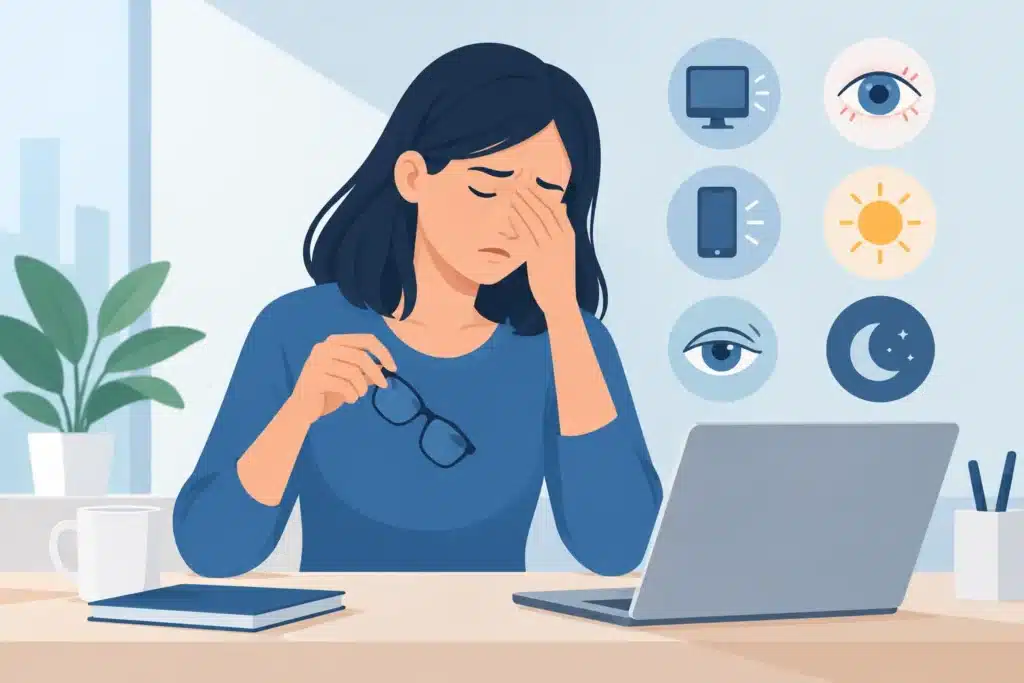
Eye fatigue, also called eyestrain, is the discomfort that builds when your visual system works harder than it can comfortably sustain. You may notice tired, burning, watery, or dry eyes; blurred or double vision; sensitivity to light; trouble keeping your focus; or a dull headache around the forehead, temples, and behind the eyes.
It can arrive after a few intense hours or creep in over weeks of late nights and nonstop close-up work. Eye fatigue is common and often temporary, but it is still useful feedback. Your eyes may be asking for better visual conditions, more frequent recovery, or an eye exam.
The most common eye fatigue causes
Screens change how you use your eyes
Laptop, phone, and tablet use does not automatically damage your eyes. The issue is how people tend to use these devices: close up, for long stretches, with fewer blinks, small text, and no meaningful pauses. When you concentrate on a screen, you may blink less completely. That allows tears to evaporate faster, leaving the eye surface dry and irritated.
Brightness and glare can add more strain. So can the constant shift between a bright display and a dim room, tiny fonts, poor contrast, and a monitor positioned too high or too close. By the end of the day, the effort of focusing can feel like pressure behind your eyes.
Dry eyes make every task feel harder
A healthy tear film keeps the eye surface smooth and comfortable. When it is unstable, your vision can fluctuate and your eyes may sting, feel sandy, or water excessively. Dryness can be connected to screen time, air conditioning, heating, wind, smoke, contact lenses, dehydration, age, certain medications, and hormonal changes.
Watery eyes do not always mean your eyes are well lubricated. Sometimes they are producing reflex tears because the surface is irritated. If dry-eye symptoms are frequent, persistent, or painful, speak with an eye care professional rather than relying on guesswork.
Uncorrected or outdated vision needs
Squinting to read a menu, leaning toward your monitor, or holding your phone at an unusual distance can all signal that your eyes are compensating. Nearsightedness, farsightedness, astigmatism, and age-related changes in near vision can make the focusing muscles work overtime.
A prescription that once felt perfect can also become less effective. Even a small change can create a big difference when you spend eight hours looking at detailed text, spreadsheets, designs, or video calls. An updated eye exam is one of the most practical ways to rule out a correctable cause.
Lighting, glare, and your workspace setup
A beautiful desk setup can still be tough on your eyes if a window reflects across your screen or an overhead light creates glare. Working in a very dark room with a bright monitor forces your eyes to adjust repeatedly. On the other hand, harsh direct lighting can create squinting and tension.
Aim for comfortable, even room lighting. Position your screen so windows are beside you rather than directly in front of or behind it. For most people, a monitor placed about an arm’s length away, with the top of the display at or slightly below eye level, supports a more relaxed gaze. Your best setup depends on your vision, screen size, and posture, so treat these as starting points rather than rigid rules.
Stress, poor sleep, and facial tension
Eye fatigue is not always an eye-only problem. During stressful work, driving, or concentration-heavy tasks, many people tighten the jaw, brow, temples, neck, and shoulders without realizing it. That tension can amplify headaches and make the eye area feel exhausted.
Poor sleep lowers your comfort threshold too. You may be more sensitive to light, more prone to dryness, and less able to focus for long periods. If your eyes feel tired every morning, not just after screens, look at the bigger recovery picture: sleep schedule, hydration, allergies, stress, and the quality of your visual environment.
Close-up tasks beyond screens
Reading, gaming, drawing, sewing, detailed repair work, and long drives can all create eyestrain. The common factor is sustained focus. Your eyes are designed to shift attention between distances, blink, and take in changing surroundings. Holding one close focal distance for hours asks the focusing system to stay engaged without a break.
How to get relief without overcomplicating your day
The simplest relief plan is to interrupt the pattern that created the discomfort. Try the 20-20-20 approach: every 20 minutes, look about 20 feet away for 20 seconds. It is not a magic number, but it is an easy cue to relax your focus and blink fully.
Make text large enough that you are not squinting. Reduce glare, clean smudges from your lenses and screen, and adjust brightness so your display is not dramatically brighter than the room around it. If you wear contacts and your eyes feel dry, follow your eye care provider’s advice on wear time and lubrication.
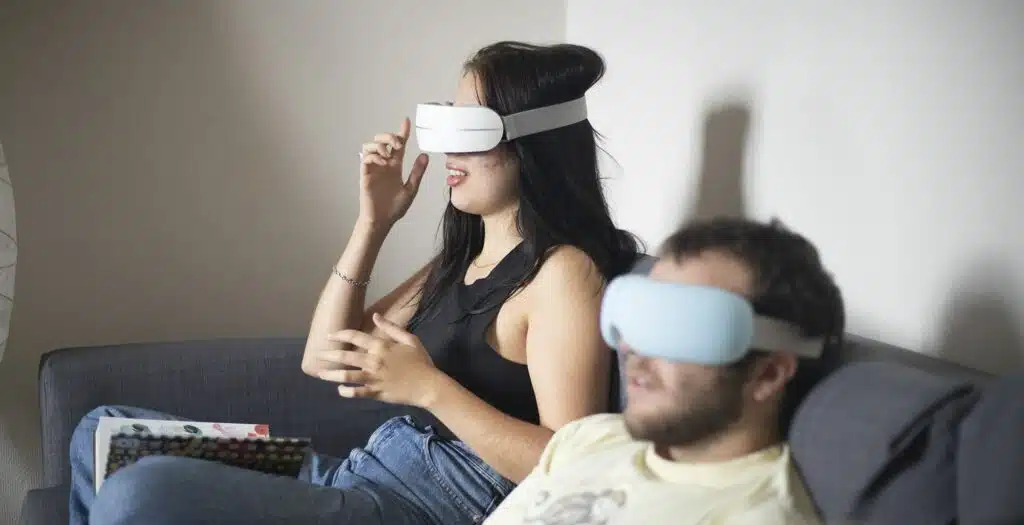
For the tension that collects around the brow, temples, and eye area, build a short decompression ritual after work. Close your eyes, loosen your jaw, drop your shoulders, and use gentle warmth or a relaxing eye massage device if it feels comfortable. A smart eye massager from Reliize can be a convenient at-home option for people who want a soothing pause with heat, air pressure, and massage after a screen-heavy day. It should support your comfort routine, not replace professional eye care when symptoms need evaluation.
A few minutes away from bright screens before bed can help your eyes and mind transition out of work mode. The goal is not perfection. It is giving your visual system regular moments when it does not have to perform.
When eye fatigue needs an eye care visit
Eyestrain that improves with rest is often manageable. But schedule an eye exam if symptoms keep returning, interfere with work or driving, or do not improve after changing your screen habits and workspace. Persistent dryness, frequent headaches, and trouble focusing are worth discussing, especially if you have not had a recent exam.
Seek prompt medical attention for sudden vision loss, new double vision, severe eye pain, significant redness, flashes of light, a curtain-like shadow in your vision, eye injury, or a severe headache with visual changes. Those symptoms are not typical everyday eye fatigue.
Your eyes carry you through every email, commute, conversation, and late-night plan. Treat the first signs of strain as a reason to pause, adjust, and recharge – a small daily act of care that can make the rest of your day feel clearer and lighter.
