
wellness
7 Best Devices for Neck Tension Relief at Home
Nov
That tight, stubborn band across your shoulders can make a normal workday feel exhausting. You turn your head, feel the pull at the base of your skull, and start wishing for a massage appointment you do not have time to book. The best devices for neck tension make relief more convenient by bringing targeted heat, pressure, and muscle-soothing movement into your own routine.
The right choice depends on what your neck tension feels like. A deep knot between the shoulder blades needs a different approach than stress-related tightness along the upper traps, or the achy stiffness that follows hours of looking down at a laptop. Here is how to choose a device that feels good, fits your lifestyle, and supports real recovery.
What Causes Neck Tension in the First Place?
Neck tension rarely appears out of nowhere. For many people, it builds gradually through screen time, poor desk setup, long commutes, disrupted sleep, stress, workouts, or simply holding the same position for too long. Your neck does not work alone, either. Tight shoulders, chest muscles, and upper-back muscles can all make the neck work harder.
That is why at-home recovery devices can be so helpful. They give you a reason to pause, change positions, and apply focused comfort before minor muscle tightness takes over your evening. They are not a replacement for medical care, but they can be a practical part of a consistent self-care plan.
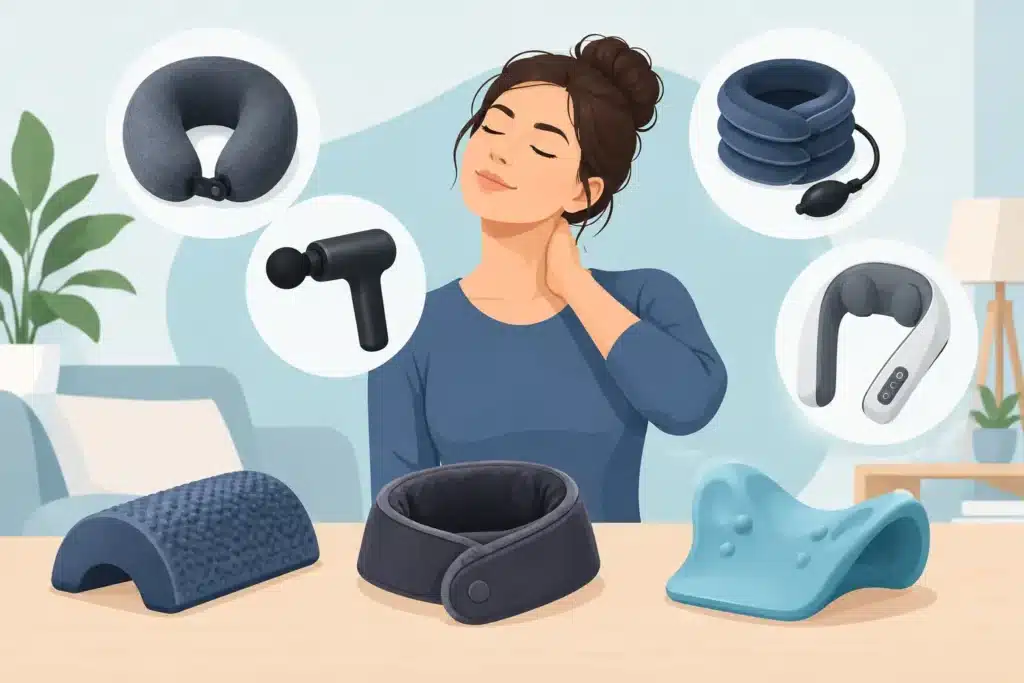
The Best Devices for Neck Tension, Compared
1. Massage guns for deep shoulder and upper-back knots
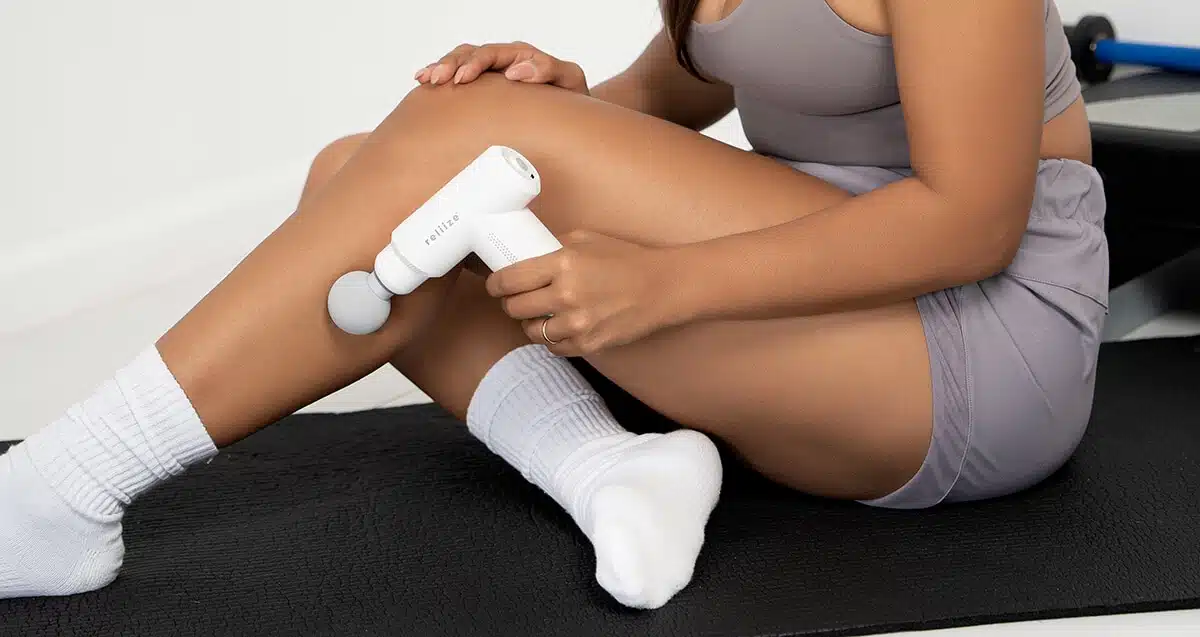
A massage gun is often the strongest option for tension that feels dense, sore, or concentrated in the upper traps and the muscles around your shoulder blades. Percussion creates rapid pulses that can help warm up tight tissue and make your muscles feel less guarded after work, travel, or training.
The key is placement. Avoid using a massage gun directly on the front or sides of your neck, your spine, or bony areas. Instead, use it on the fleshy muscles where your neck meets your shoulders, along the upper back, and around the rear shoulder area. Start on a low setting for 30 to 60 seconds per area. More intensity is not always better, especially when muscles are already sensitive.
Massage guns are ideal for people who want adjustable, targeted pressure. They can feel too intense, however, if your tension comes with tenderness, headaches, or a highly stressed nervous system. In that case, heat or gentler massage may be a better first step.
2. Heated neck and shoulder massagers for daily decompression
A heated massager combines warmth with kneading, vibration, or rolling movements. This can be a comforting choice when your neck feels stiff after a long day rather than severely knotted. Heat encourages you to slow down, while gentle massage can make the shoulders feel looser and more relaxed.
Look for a device with adjustable heat and intensity so you can match the session to your body. A 10- to 15-minute session after work can be enough to create a meaningful transition out of desk mode and into rest mode.
This category is especially appealing if you want a spa-like experience without scheduling a spa visit. The trade-off is that many neck wraps and shoulder massagers are less precise than a massage gun. They are designed for broad comfort, not pinpoint work on one specific knot.
3. Smart cupping massagers for stubborn muscle tightness
Smart cupping devices combine traditional cupping-inspired suction with modern features such as heat, vibration, and adjustable settings. Used on the upper back and shoulders, they can create a distinctive lifting sensation that feels very different from kneading or percussion.
For people who carry tension in broad areas around the shoulder blades, cupping can be an effective way to switch up a recovery routine. Heat may add another layer of comfort, particularly when muscles feel stiff from cold weather, inactivity, or a long day at a desk.
Use caution with suction-based devices. Begin with the lowest setting and test a small area first. Temporary marks or redness can occur, and you should not use cupping over irritated skin, broken skin, varicose veins, or areas that bruise easily. If you take blood-thinning medication or have a medical condition affecting circulation, ask a clinician before trying it.
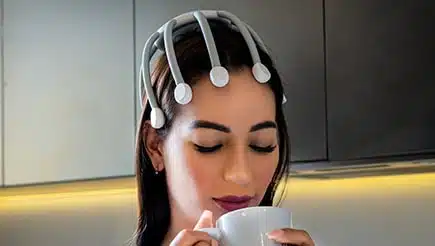
4. 360-degree head massagers for stress-related tension
Not all neck tension starts in the neck. If you notice tightness rising from your shoulders into your scalp, temples, or the base of your skull, stress may be part of the picture. A head massager can help create a calmer, more restorative experience when you need a break from mental overload.
This is not the device for deep muscle knots. It is better suited to the tension pattern that arrives after back-to-back meetings, long screen sessions, or a restless night. Pair a relaxing head massage with slow breathing and a few gentle shoulder rolls, and you may feel your whole upper body start to let go.
For a more complete at-home recovery ritual, Reliize offers wellness technology designed to make those small, restorative pauses easier to keep.
5. Heating pads for simple, dependable comfort
A heating pad may be the least high-tech option on this list, but it remains one of the most useful. Heat can feel especially good when your neck is stiff, achy, and reluctant to move. It is easy to use while reading, relaxing on the couch, or taking a short break between tasks.
Choose a pad that is large enough to cover the back of the neck and upper shoulders. Keep sessions comfortable rather than scorching, and follow the device instructions closely. Avoid falling asleep with a heating pad on unless it is specifically designed and approved for that use.
Heating pads do not provide the active pressure of a massage device, but they are affordable, approachable, and easy to use consistently. For many people, that consistency matters more than owning the most advanced tool.
6. TENS units for targeted, adjustable sensation
A TENS unit uses small electrical impulses delivered through adhesive pads. Some people find these sensations helpful for temporary relief from muscle discomfort, particularly when they want an alternative to pressure-based massage.
Placement matters a great deal. Do not place TENS pads on the front or sides of the neck, across the chest, or on broken skin. The upper back and shoulder muscles may be safer locations, but always follow the product instructions. People with pacemakers, implanted electrical devices, certain heart conditions, or pregnancy should check with a healthcare professional first.
TENS is not for everyone. The feeling can be unfamiliar, and it does not deliver the warmth or relaxation many people want after a stressful day. Still, its compact size and customizable settings make it worth considering for specific, recurring muscle discomfort.
7. Cervical traction devices for position-related stiffness
Cervical traction devices are designed to gently stretch the neck. They can appeal to people who feel compressed after long hours of sitting or who frequently wake up with stiffness. Unlike massage tools, traction is about positioning and gentle lengthening rather than working directly into the muscles.
This is the category that calls for the most care. Incorrect use can aggravate symptoms, and traction is not appropriate for every neck problem. If you have numbness, tingling, weakness, pain following an injury, severe headaches, dizziness, or pain that travels down the arm, seek professional guidance rather than experimenting at home.
How to Choose the Right Device for You
Start with the sensation you want to change. For tight knots in the shoulders and upper back, a massage gun may give you the most targeted relief. For all-over stiffness and end-of-day stress, a heated neck massager or heating pad is often the more comforting choice. For people who enjoy traditional recovery methods with modern controls, smart cupping can offer a fresh approach.
Then consider how likely you are to use it. A powerful device that stays in a drawer will not help as much as a simple tool you reach for four nights a week. Think about noise level, portability, intensity settings, ease of cleaning, and whether you want a hands-free session or more control over where the device goes.
Use Neck Relief Devices Safely
Keep sessions short at first. Five to 15 minutes is enough for most devices, and your body should feel better afterward, not bruised or overly sore. Never force a painful range of motion, and do not use intense pressure directly on the neck itself.
Stop using a device and contact a healthcare professional if you experience worsening pain, numbness, tingling, weakness, dizziness, severe headaches, fever, or symptoms after a fall or accident. These are not typical signs of everyday muscle tension.
The most effective device is often the one that helps you build a repeatable moment of care. Set it beside your desk, use it after your commute, and give your shoulders permission to drop before tension becomes the default.
