

wellness
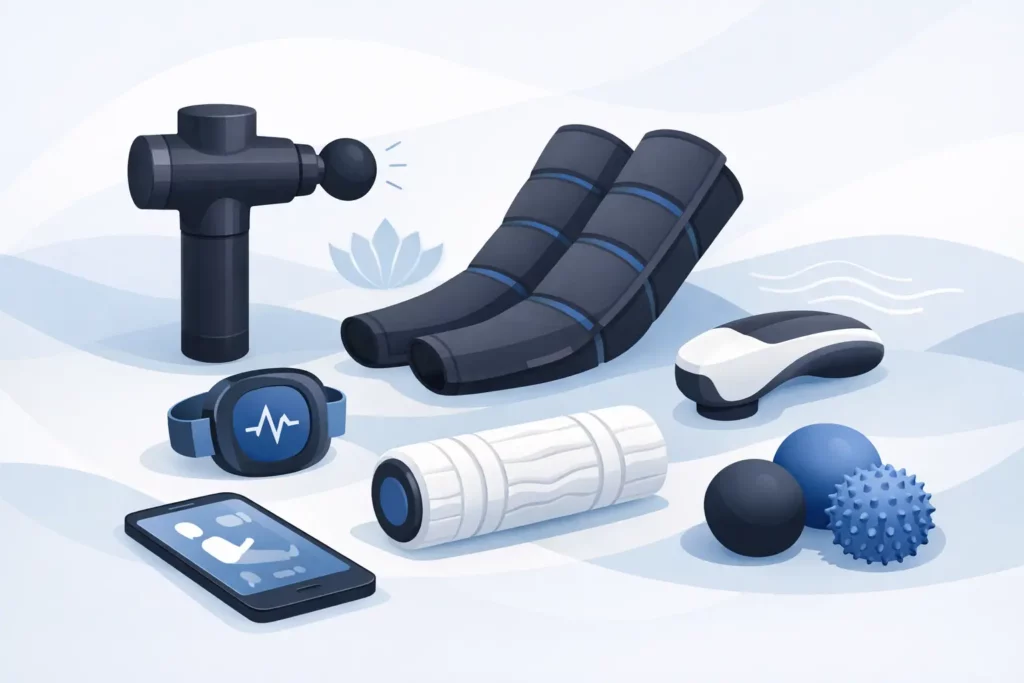
Best Daily Recovery Routine Devices
Jun
You can feel when your body starts collecting the day. It shows up as tight shoulders after hours at a laptop, tired eyes after back-to-back meetings, a buzzing mind at bedtime, or legs that still feel heavy long after a workout. That is exactly where daily recovery routine devices make a difference – not as a luxury reserved for spa days, but as practical tools that help you feel better before stress and tension pile up.
For most people, recovery is not one big event. It is a series of small decisions that either support your body or leave you running on fumes. A 10-minute session with the right device can ease tension, calm your nervous system, and help you reset faster than waiting for discomfort to become a bigger problem. The best routines are simple, repeatable, and built around what you actually deal with every day.
Why daily recovery routine devices work so well at home
The appeal is obvious – convenience matters. If you need an appointment, a drive across town, and an open hour on your calendar, recovery tends to get pushed aside. At-home devices remove that friction. You can use them between meetings, after a workout, while winding down at night, or during the kind of slow Sunday reset that makes the whole week feel more manageable.
There is also the consistency factor. Relief often comes from regular use, not a once-a-month treatment. Heat, percussion, compression, vibration, and light-based wellness tools can support circulation, relaxation, muscle relief, and decompression when used as part of a steady routine. That does not mean every device is right for every person. It means the right device, used regularly, tends to outperform the device that sits in a drawer because it is too complicated or too intense.
The best daily recovery routine devices for real-life stress
If your day is screen-heavy, mentally demanding, or physically repetitive, certain devices tend to earn their spot quickly.
Eye massagers for strain, tension, and bedtime wind-down
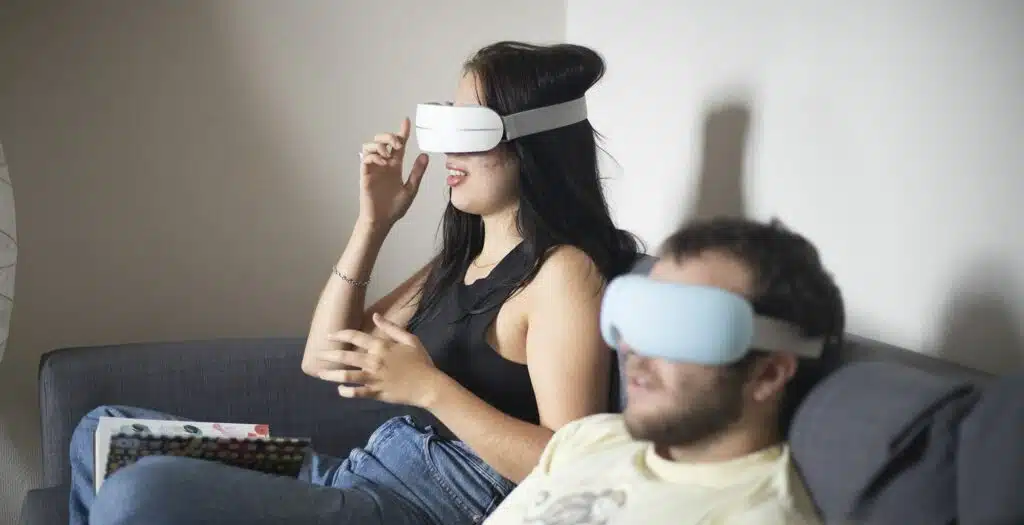
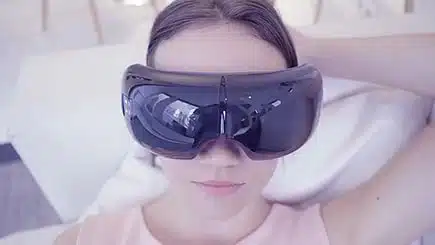
Few modern problems are as common as eye fatigue. Long hours in front of a computer can leave the area around your eyes feeling tense, dry, and overworked. A smart eye massager can help by combining gentle compression, heat, and vibration to relax that entire area. For many people, this becomes less about pampering and more about getting through the week without that familiar pressure building behind the eyes.
The biggest benefit is how easily it fits into a routine. Ten or fifteen minutes in the evening can help signal that work is over. Some people also like a midday session when focus starts to dip. If you deal with headaches related to tension or screen time, this type of device can be especially appealing. It is not a cure-all, but it can create a level of relief that makes the rest of your evening feel different.
Head massagers for stress that feels stuck in your scalp
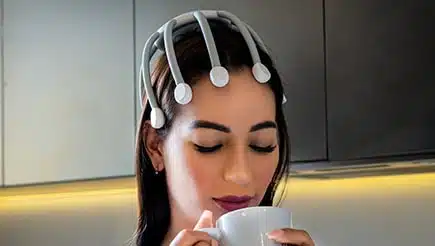
There is a reason people hold tension in the head, temples, and scalp without fully noticing it. Mental stress does not always stay mental. A 360-degree head massager can offer a surprisingly grounding reset, especially when your mind feels overstimulated and your body has not caught up.
This kind of device is often less about deep tissue intensity and more about helping your entire system slow down. It can work well in the evening, during moments of overwhelm, or as part of a weekend recovery ritual. If your goal is to shift from high-alert mode into actual relaxation, head-focused recovery tools can be a smart addition.
Massage guns for sore muscles and post-work tension
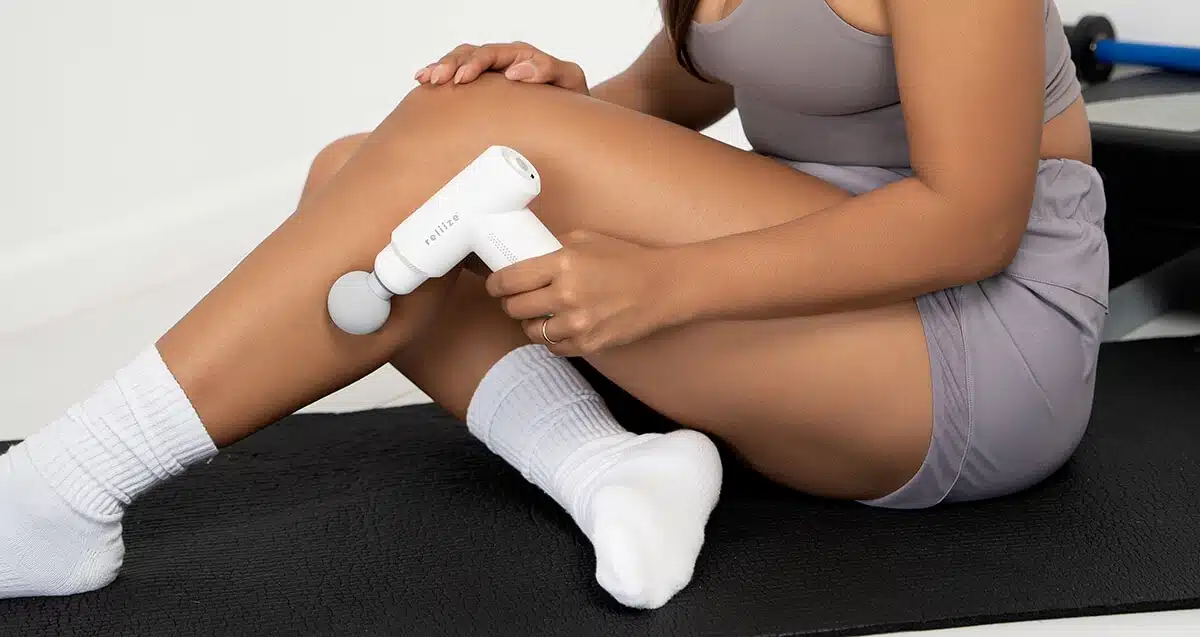
When soreness is more physical than mental, a massage gun is often the first device people reach for. It is popular for a reason. Percussion therapy can help loosen tight areas, especially in the shoulders, back, legs, and glutes, without requiring much setup or time.
That said, stronger is not always better. A daily routine should leave you feeling restored, not beaten up. Short sessions with the right attachment and moderate pressure are usually more sustainable than aggressive use. If you sit all day, train regularly, or carry stress in your upper body, a massage gun can be one of the most effective tools in your lineup.
Cupping and heat devices for stubborn tension
Some tension does not respond well to basic stretching or quick massage. It feels deep, persistent, and oddly hard to reach. That is where a smart cupping massager can stand out. By combining suction with heat and massage-style stimulation, it offers a different type of relief than percussion alone.
This can be especially useful for people who enjoy bodywork techniques inspired by traditional recovery methods but want something easier and more convenient at home. The trade-off is that it may take a little experimentation to find the settings and placement that feel best. Once you do, it can become a strong option for those recurring areas that never seem to fully let go.
Infrared sauna blankets for full-body recovery
Some devices target a single problem area. Others help you reset more globally. An infrared sauna blanket falls into that second category. It is designed for people who want the feeling of a full-body unwind without booking a spa visit or dedicating permanent space to bulky equipment.
The draw here is not just warmth. It is the ritual. Lying down, unplugging, and letting your body relax into heat can support recovery after workouts, stressful workdays, or low-energy stretches where everything feels slightly off. This kind of tool is ideal for people who want their routine to feel immersive. If you prefer fast, targeted relief, you may use it less often than a massage gun or eye massager. But for a deeper evening reset, it can be hard to beat.
How to build a realistic routine with daily recovery routine devices
A good routine should fit your life as it already exists. If you try to create a 90-minute self-care schedule every day, it will probably collapse by Wednesday. The smarter move is to build around your actual pressure points.
Start with what bothers you most often. If eye strain is constant, begin there. If your workouts leave you sore, prioritize muscle recovery. If stress follows you into bed, focus on devices that encourage relaxation and sleep readiness. One or two well-chosen tools are usually more useful than a cabinet full of devices you barely touch.
Timing matters too. Morning recovery can help with stiffness and circulation, especially if your body feels slow when you wake up. Midday recovery is useful for screen fatigue, headaches, or tension that builds while you work. Evening recovery tends to be the most powerful for relaxation, especially when heat, compression, or calming massage techniques are involved.
It is also worth matching the intensity to the moment. A massage gun may be perfect after training, but too stimulating right before bed. An eye massager or head massager may feel better at night when your goal is to settle down. The best routine is not the most advanced one. It is the one you will actually repeat.
What to look for before you buy
Not every recovery device deserves daily use. Comfort matters. Ease of use matters. So does the ability to adjust settings based on how your body feels that day.
Look for devices that feel approachable, not intimidating. Adjustable heat, pressure, or intensity settings give you more control and make it easier to use the device consistently. Portability can be a major plus if you want to move it between your office, bedroom, and living room. Quiet operation matters more than people expect, especially for evening routines.
You should also think about your habits. If you want something you can use in 10 minutes, choose a device that turns on quickly and does not require much setup. If you enjoy longer recovery sessions, a more immersive option may be worth it. The right purchase is not the one with the longest feature list. It is the one that solves a real problem in a way that feels easy to maintain.
For people who want smart, accessible wellness tools without turning recovery into a second job, this is where a brand like Reliize fits naturally. The focus is not on making self-care feel complicated. It is on making relief feel easier to reach at home.
The real goal is not more devices – it is more relief
There is a difference between buying wellness products and building a recovery habit that actually changes how you feel. The second one is what matters. Daily recovery routine devices are most effective when they support your body in small, repeatable ways – easing muscle tension before it becomes pain, helping your eyes recover before fatigue ruins your evening, and creating moments of calm in a schedule that rarely slows down on its own.
You do not need a perfect routine. You need one that makes your day feel lighter, your body feel less burdened, and your downtime feel like real recovery. Start with the discomfort you notice most, choose a device that fits your lifestyle, and let consistency do the heavy lifting.

