

wellness
8 Best Alternatives to Spa Visits at Home

Jun
A $150 spa appointment can feel amazing for an afternoon. The problem is everything around it – the scheduling, the travel, the wait, the cost, and the fact that stress usually comes back by Tuesday. That is exactly why more people are looking for the best alternatives to spa visits that fit real life, real budgets, and real routines.
If your goal is relief, not just a temporary treat, the smartest option is usually not one replacement. It is building a home wellness routine that targets the exact reason you wanted the spa in the first place. Maybe your eyes are tired from screens. Maybe your neck is tight, your legs are sore, or your brain never seems to switch off. Different problems need different solutions, and the right at-home tools can deliver a spa-like reset without the appointment.
Why the best alternatives to spa visits are often better
Spa visits still have their place. A great facial, massage, or sauna session can be deeply relaxing. But they also come with limits. You get relief in a single burst, then you go back to the same habits, posture, workload, and tension patterns that caused the discomfort.
At-home wellness has a different advantage. It lets you repeat relief consistently. A 15-minute session before bed, a quick massage after a workout, or a heat-based recovery session after a long day can do more for your body than waiting weeks between appointments. Convenience matters because consistency changes results.
Cost is another big factor. One spa visit can equal the price of a device you use for months or years. That does not mean every home tool is automatically a better value. Some are worth it if you use them often. Others only make sense if they match a specific need. The key is choosing based on your symptoms, not hype.
The best alternatives to spa visits by need
For eye strain, headaches, and mental overload
If your job keeps you in front of a screen, a traditional spa day may not solve the thing that is actually wearing you down. Eye fatigue builds daily. So does tension around the temples, brows, and forehead.
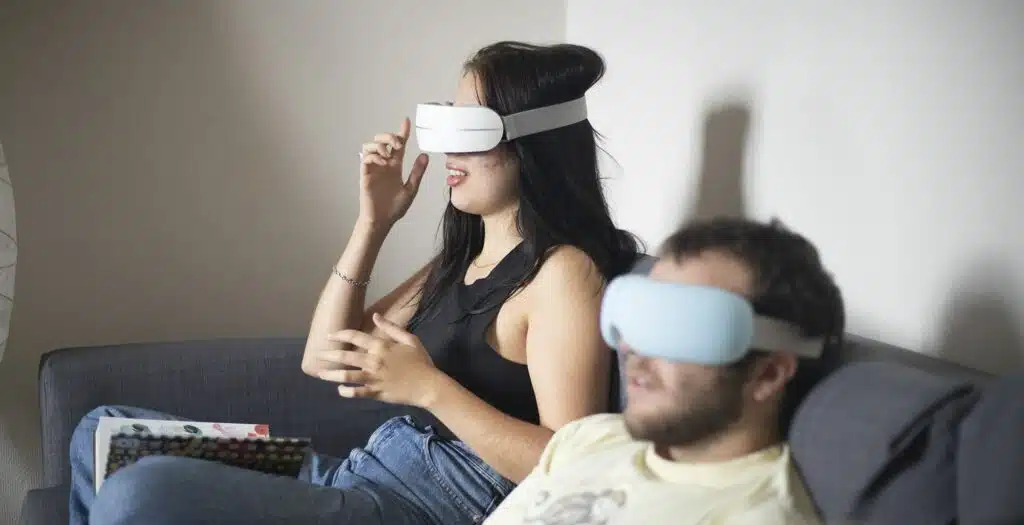
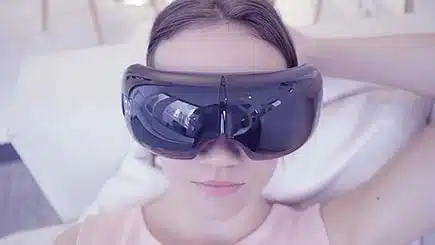
A smart eye massager is one of the most practical swaps for anyone who wants quick, targeted relief at home. Features like heat, air pressure, and vibration can help create that decompression feeling people chase in a spa, but in a format you can use at the end of a workday or before sleep. This option makes the most sense for office workers, students, travelers, and anyone who feels mentally fried by evening.
The trade-off is simple. It is highly focused. It will not replace a full-body massage experience, but it can be more useful if your main issue is eye tension and stress rather than general pampering.
For neck, shoulders, back, and post-workout soreness
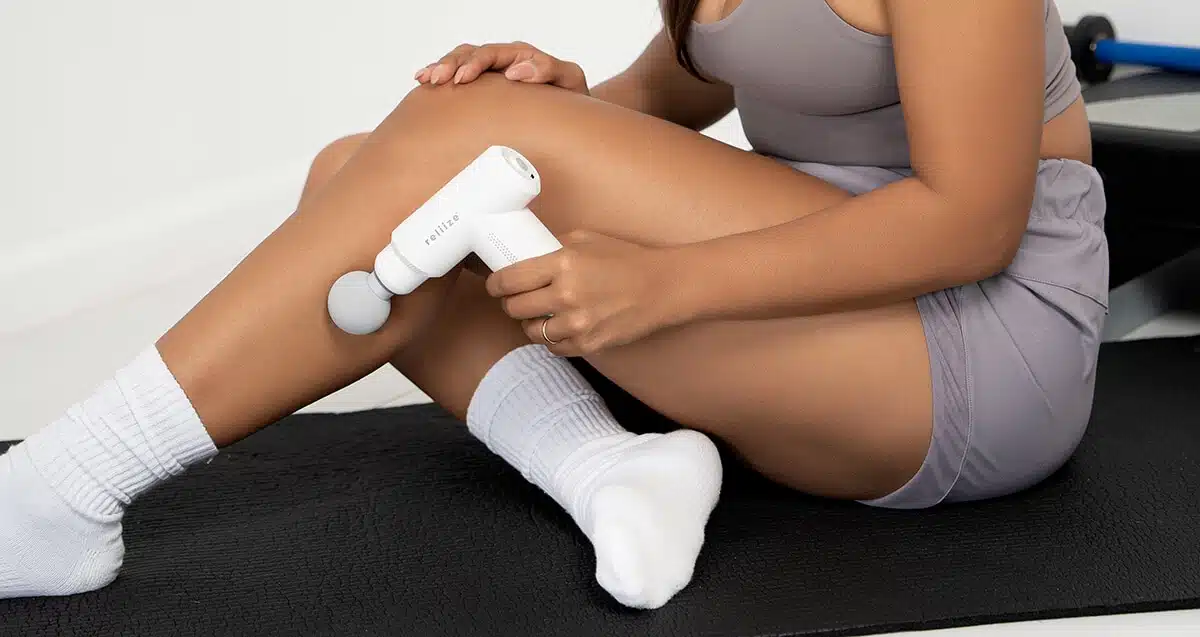
When people book a massage, they are often trying to undo hours of sitting, training, commuting, or poor sleep posture. A massage gun is one of the strongest at-home replacements for this kind of discomfort because it targets muscle tension directly.
Used well, percussion therapy can help loosen tight areas, support recovery after workouts, and reduce that heavy, locked-up feeling in the shoulders and back. It is especially appealing if you want results fast and do not want to rely on someone else’s schedule.
That said, intensity matters. More pressure is not always better. If you are very sensitive, brand new to recovery devices, or dealing with an injury, a massage gun may feel too aggressive unless you use the gentler settings and keep sessions short.
For deep relaxation and sleep support
Some people do not really want a spa treatment. What they want is to stop feeling wired at night. If that sounds familiar, a heat-based recovery option can be one of the best alternatives to spa visits.
An infrared sauna blanket gives you a warm, cocooned, end-of-day experience that feels closer to a luxury wellness ritual than a quick fix. Many users turn to this type of tool because warmth helps them unwind, sweat lightly, and shift into a calmer state before bed. It can also appeal to people who like the idea of sauna benefits but do not have access to a studio or gym.
This option is less about spot treatment and more about full-body calm. The trade-off is time. It is not the kind of device you use for five rushed minutes between meetings. It works best when you can actually slow down.
For tension in the scalp and pressure in the head
A head massage at a spa is underrated until you realize how much stress you carry above the neck. For people with tension headaches, mental fatigue, or that constant pressure that builds during long workdays, a head massager can be a surprisingly effective substitute.
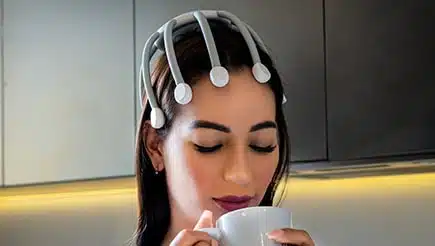
The appeal here is immediate relief and ease of use. A 360-degree head massager brings the sensation home in a way that feels indulgent but also practical. It can fit into a morning reset, an evening wind-down, or a weekend self-care routine without needing much setup.
This kind of tool is best for relaxation and stress relief, not major muscle recovery. If your main issue is sore calves after training, it is not the right match. But if your stress lives in your scalp, forehead, and temples, it can be a smart upgrade.
For skin-focused self-care and glow-driven routines
A lot of spa spending goes toward facials and beauty treatments. If your goal is clearer-looking skin, a more polished routine, or that refreshed post-treatment feeling, an LED face mask can be one of the best alternatives to spa visits for beauty-conscious shoppers.
The biggest advantage is consistency. One facial every so often can feel luxurious, but regular skincare rituals at home often make more sense for people who want visible routine-based improvement. LED devices also fit well into modern beauty habits because they are non-invasive and easy to layer with the rest of your evening routine.
The reality check is that this is not a one-session miracle. Like most skincare tools, benefits build with repeated use. If you want instant relaxation more than beauty maintenance, another device may be a better fit.
For body tension with a more traditional feel
Some people want relief that feels less mechanical and more like a hands-on treatment. In that case, a smart cupping massager or kneading-style massage device can bridge the gap between traditional wellness methods and modern convenience.
These options are appealing because they offer a different sensory experience from standard vibration or percussion. For users who enjoy the feeling of pressure, suction, kneading, or heat, they can create a more therapeutic ritual at home. That can be especially valuable if the spa experience you miss most is not the luxury setting but the treatment itself.
As always, preferences matter. What feels deeply satisfying to one person can feel unusual to another. If you are choosing your first wellness device, it helps to start with the symptom you most want to solve.
How to choose the right alternative for your routine
The best choice depends on why you book spa visits in the first place. If you are chasing calm, prioritize heat, eye massage, or scalp relaxation. If you want recovery, go with something that targets muscles more directly. If you care most about appearance, skin tools may deliver more value than relaxation tools.
It also helps to think about frequency. A device only works if you actually use it. People tend to get the most value from wellness tools that fit naturally into an existing routine, like a 10-minute eye massage after work, a quick percussion session after the gym, or a sauna blanket session on nights when stress is high.
Budget matters too, but so does cost per use. A product that feels expensive upfront may still be more affordable than regular appointments if it becomes part of your weekly routine. That is one reason so many shoppers are shifting toward smart, at-home recovery and self-care technology from brands like Reliize. The appeal is not just comfort. It is accessible relief on your schedule.
When a spa still makes sense
There are times when a spa visit is still worth it. If you want a special occasion experience, professional hands-on treatment, or a full day away from your normal environment, home devices do not fully replace that. They serve a different purpose.
But for daily stress, repeated eye strain, muscle fatigue, and sleep-disrupting tension, the best alternatives to spa visits are often the ones you can reach for tonight, not the ones you have to book three weeks from now.
The real upgrade is not turning your house into a luxury resort. It is making relief easy enough to become a habit, because when wellness fits your life, you are far more likely to keep it.

