
wellness
Scalp Massager for Stress Relief: Does It Help?

May
You can feel stress in your head before you put a name to it. It shows up as a tight scalp, a heavy forehead, a clenched jaw, or that wired-but-tired feeling that follows you from your laptop to your pillow. That is exactly why a scalp massager for stress relief has become more than a nice extra – for many people, it is one of the simplest ways to interrupt tension before it takes over the rest of the body.
Unlike wellness habits that demand a full schedule reset, scalp massage fits into real life. A few minutes between meetings, before bed, or after a long screen-heavy day can create a noticeable shift. The appeal is obvious: low effort, fast comfort, and a ritual that feels closer to a spa treatment than another task on your to-do list.
Why scalp tension feels so draining
Stress rarely stays in one place. When your nervous system is on high alert, muscles around the scalp, temples, neck, and shoulders often tighten together. That tension can leave you feeling mentally foggy, overstimulated, and physically uncomfortable, even if you have been sitting still all day.
The scalp is packed with nerve endings and blood vessels, which helps explain why touch in this area can feel so instantly soothing. Gentle pressure may encourage relaxation, improve circulation to the area, and send a signal to your body that it is safe to downshift. That does not mean a scalp massager treats the root cause of stress, but it can help reduce the physical load stress places on your body.
This is where people often notice the biggest benefit. You may not control a packed inbox or poor sleep the night before, but you can create a short moment of relief that helps your body stop bracing.
How a scalp massager for stress relief works
A scalp massager for stress relief works through a mix of physical stimulation and sensory calming. The physical side is straightforward. Repetitive motion and light pressure can loosen tight tissue, especially around the crown, hairline, and base of the skull. If your stress tends to trigger tension headaches or neck stiffness, this can feel especially helpful.
The sensory side matters just as much. Consistent rhythmic massage tends to be calming because it gives the brain a simple, repetitive input to focus on. That can reduce mental chatter for a few minutes and make it easier to transition out of work mode. It is similar to why people respond well to eye masks, heat therapy, or white noise – the body often relaxes when it receives a clear cue to slow down.
Some devices add vibration, kneading, or heat. These features can deepen the experience, but they are not automatically better for everyone. If you are highly sensitive, mild pressure may feel more relaxing than an intense setting. If your scalp carries a lot of tension, a stronger massage may provide faster relief. It depends on your preferences, your stress level, and how reactive your body tends to be.
Manual vs. electric massagers
The best option is usually the one you will actually use. Manual scalp massagers are simple, affordable, and easy to keep in the shower or on a nightstand. They work well if you want light stimulation while shampooing or a quick calming ritual without another device to charge.
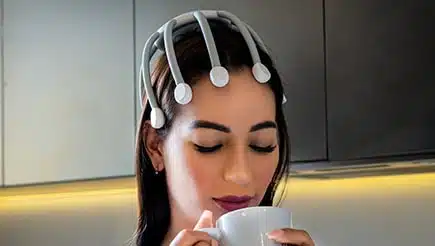
Electric massagers are a better fit for people who want a more hands-free, consistent experience. They often provide rotating nodes, vibration, and multiple intensity settings, which can feel more like a guided treatment than a basic tool. For busy professionals or anyone building a serious at-home recovery routine, that extra convenience can make the habit stick.
There is a trade-off. Manual tools give you more control over pressure and placement. Electric models do more of the work for you, but the sensation may be less customizable in very specific areas. If stress relief is your main goal, comfort matters more than intensity.
What benefits can you realistically expect?
The biggest mistake people make is expecting one device to solve every stress symptom. A scalp massager is not a cure-all. What it can do is help you feel calmer, less tense, and more physically settled in the moment, which is often exactly what is needed.
Many people use scalp massage to support better sleep. If your brain keeps running at night, a short session can make it easier to transition into rest by softening some of that tension around the head and neck. Others use it to break up the stress cycle during the day, especially after hours of screen time or mentally intense work.
You may also notice less heaviness around the temples, reduced jaw clenching, and an overall sense of relaxation that spreads beyond the scalp. That ripple effect is part of the appeal. When the head and upper body start to relax, the rest of your system often follows.
Some users are also interested in circulation and scalp health. While massage may support blood flow and create a healthier-feeling scalp environment, stress relief should stay the main expectation unless a product is specifically designed for another purpose.
How to use a scalp massager without overdoing it
More pressure is not always more effective. In fact, aggressive massage can irritate the scalp, especially if you already deal with sensitivity, inflammation, or headaches that worsen with touch. For stress relief, gentle to moderate pressure is usually enough.
Start with five to ten minutes. Focus on the crown, the sides of the head, behind the ears, and the base of the skull where tension tends to collect. Slow, steady movement works better than rushing. If your device has multiple modes, begin on the lowest setting and increase only if it still feels comfortable after a minute or two.
Timing also makes a difference. Morning use can help release overnight tension and make you feel more awake without feeling overstimulating. Evening use tends to be ideal if your goal is to unwind, especially paired with dim lights, a warm shower, or a screen break. Small routines are easier to maintain than ambitious ones.
Who gets the most out of scalp massage?
People with screen-heavy jobs often see fast results because their stress tends to sit in the forehead, scalp, neck, and shoulders. If you spend all day switching between meetings, messages, and deadlines, a scalp massage can create a clear pause in that overstimulated cycle.
It is also appealing for anyone who wants a non-invasive wellness habit that does not require an appointment, recovery time, or a major financial commitment. That is a big reason smart self-care devices continue to grow. They bring relief into your home and make it easier to stay consistent.
If you already use heat therapy, eye massage, or percussion recovery tools, a scalp massager can fit naturally into that same routine. Brands like Reliize have built real momentum around this kind of accessible wellness technology because people want relief that feels effective, modern, and easy to use on their own schedule.
When a scalp massager may not be the right choice
There are times to be cautious. If you have scalp psoriasis, open sores, a recent injury, severe migraines, or any medical condition affecting the scalp or head, it is smart to check with a healthcare professional before using a device. The same goes if massage consistently makes your symptoms worse instead of better.
It is also worth being honest about what kind of stress you are dealing with. If your body is carrying mild to moderate daily tension, scalp massage can be a strong addition to your routine. If stress feels relentless, affects your sleep every night, or shows up with panic, depression, or chronic pain, a device can support relief but should not be your only strategy.
Choosing the right scalp massager for stress relief
Look for comfort first, then features. A good scalp massager for stress relief should feel calming from the first use, not complicated or harsh. Soft nodes, ergonomic design, and a manageable intensity range matter more than flashy extras you may never use.
If convenience is your priority, choose a device that is easy to clean, easy to charge, and simple enough to grab without thinking. If you want a more elevated at-home wellness experience, features like vibration, multiple modes, and a quiet motor can make the ritual feel more immersive.
The best device is not necessarily the strongest one. It is the one that helps you return to yourself faster – after a stressful workday, before bed, or in that moment when you can feel tension climbing and want to stop it early.
Stress has a way of convincing you to push through one more email, one more task, one more restless night. Sometimes relief starts with something much smaller: a few intentional minutes, steady pressure, and a tool that helps your body remember how to relax.

