

wellness
Recovery Technology That Works at Home
Nov
By 4 p.m., your shoulders may be sitting near your ears, your eyes may feel dry and heavy, and the idea of booking a massage can feel like one more task on an already crowded calendar. Recovery technology is built for that moment: a practical way to bring targeted comfort, calming rituals, and post-workout relief into the place you already are.
The best at-home devices do not need to replace your doctor, physical therapist, trainer, or favorite spa treatment. They offer something different: consistent support between appointments, without a commute, a reservation, or a complicated routine. A few well-chosen minutes can help your body shift out of work mode and into recovery mode.
What Recovery Technology Actually Does
Recovery technology describes devices designed to support relaxation, circulation, muscle comfort, sleep routines, and everyday physical recovery. Depending on the device, that can mean percussion for tight muscles, heat for soothing comfort, air compression around the eyes, vibration for relaxation, or light-based skincare support.
The appeal is simple. Modern discomfort rarely arrives one symptom at a time. Screen-heavy work can create eye fatigue, neck tension, headaches, and trouble winding down at night. Hard training can leave calves, glutes, and shoulders feeling tender the next day. Stress can show up as a clenched jaw, shallow breathing, or a mind that refuses to power down.
A smart recovery device gives you a structured cue to pause. It creates a small, repeatable ritual that feels more intentional than collapsing on the couch with your phone still in hand.
Match the Device to the Discomfort
Not every recovery tool solves the same problem. The most satisfying results usually come from choosing a device based on how you actually feel, rather than buying the most intense option available.
For muscle soreness and stubborn tightness
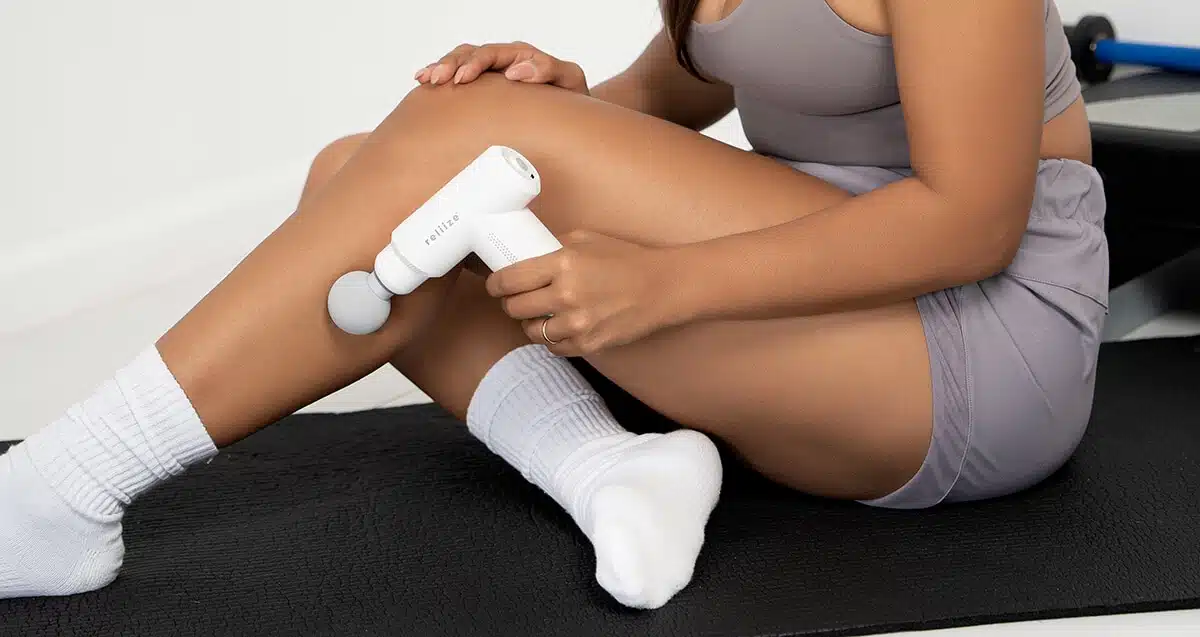
Massage guns use rapid percussion to target larger muscle groups such as quads, hamstrings, calves, glutes, and the upper back. They can be especially useful after strength training, long walks, travel, or a day spent at a desk. The goal is not to chase pain. Start with a lower setting and keep the device moving slowly over the muscle instead of pressing hard into one spot.
Smart cupping massagers take a different approach, often combining suction, heat, and massage sensations. They can be a comforting choice for broad areas of tension, particularly when you want a warmer, slower experience than percussion provides. Because suction can leave temporary marks and may not suit sensitive skin, it is wise to test a small area first.
For tired eyes, screen fatigue, and winding down
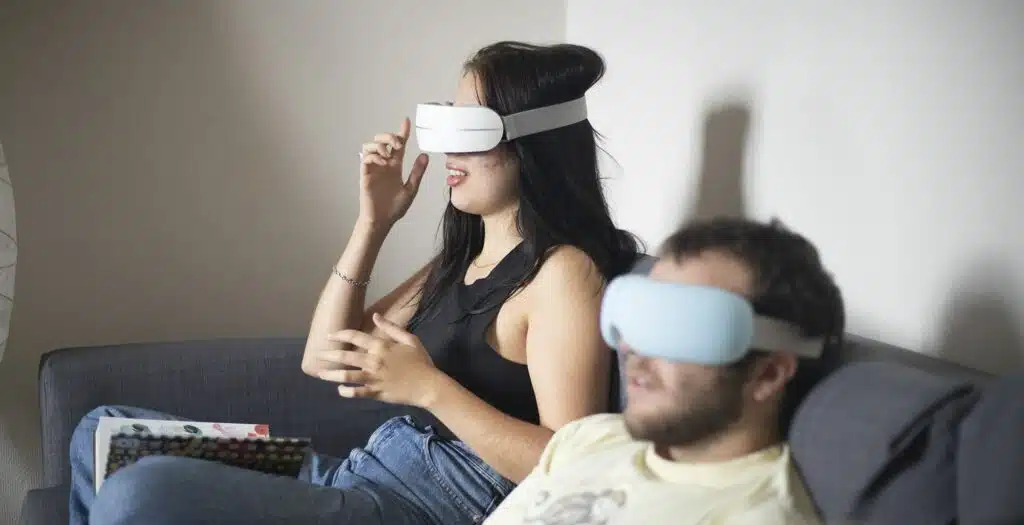
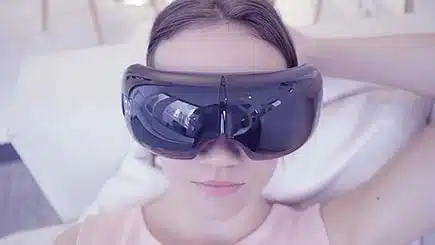
Eye massagers are designed for the strain that comes from hours of switching between laptops, phones, and bright indoor lighting. Features such as gentle air pressure, warmth, vibration, and built-in audio can turn a 10- to 15-minute break into a genuine reset.
For many people, the benefit is not just physical. Closing your eyes, lying back, and letting the device guide the experience creates distance from constant notifications. That can be a useful bridge between work and the rest of your evening, or part of a calmer bedtime routine.
If you experience migraines, eye conditions, recent facial surgery, glaucoma, or unexplained eye pain, speak with a qualified clinician before using an eye massager. Wellness technology should feel supportive, never risky or uncomfortable.
For scalp tension and mental overload
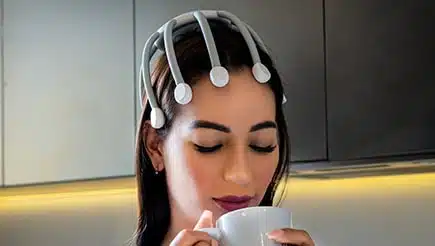
Head massage is one of the quickest ways to make a stressful day feel less consuming. A 360-degree head massager can recreate the rhythmic, hands-on sensation many people associate with a salon shampoo or a spa treatment. It may be especially appealing if you hold tension at the temples, scalp, or base of the neck.
The right setting should feel calming, not overwhelming. A lighter session after work can be enough to signal that your day is changing direction. If you use hair products or have a sensitive scalp, keep the device clean and use it according to its care instructions.
For a full-body heat ritual
An infrared sauna blanket offers a more immersive form of at-home relaxation. You can use it while listening to a calming playlist, practicing slow breathing, or simply resting in a quiet room. The warmth can feel deeply soothing after a demanding week or on days when your body craves stillness rather than a vigorous workout.
Heat is not for everyone. Stay hydrated, limit session length, and avoid use if you feel unwell, overheated, or dizzy. People who are pregnant or have certain cardiovascular, circulation, or heat-sensitivity concerns should get medical guidance first.
Build a Recovery Routine You Will Actually Keep
The device matters, but consistency matters more. A powerful tool used once and forgotten in a drawer will not change how your body feels week to week. Start by attaching recovery to a habit you already have.
Use an eye massager after you close your laptop. Reach for a massage gun after your shower on training days. Turn on a sauna blanket on one or two evenings when your calendar is lighter. The easiest routine is not necessarily the longest one. It is the one you can repeat without needing extra motivation.
A simple routine might look like this: spend 10 minutes with an eye or head massager after work, use targeted percussion for a few minutes after activity, then protect your sleep by putting your phone away before bed. You do not need every device, every day. Your needs will change with your workload, exercise, travel, stress level, and sleep quality.
Let comfort guide the intensity
More intensity is not automatically better recovery. A massage gun setting that makes you brace your body may be too aggressive. Heat that leaves you flushed or uncomfortable is a sign to stop. Air compression around the eyes should feel gently enveloping, not painful.
Treat your sessions as feedback, not a test of toughness. The best result is often a sense of relief, ease of movement, or a smoother transition into rest. If you are dealing with sharp pain, swelling, numbness, a fresh injury, or symptoms that persist, recovery devices are not a substitute for medical care.
The Real Value Is Convenience
At-home recovery technology will not create the exact atmosphere of a professional spa. It cannot diagnose an injury, and it should not be marketed as a cure for every kind of pain. Those are real trade-offs.
But convenience has its own power. When relief is waiting in your bedroom, living room, or home office, you are more likely to use it before tension becomes the background noise of your life. You can fit a session around childcare, a late meeting, a workout, or the 20 quiet minutes you finally get to yourself.
That is why smart features matter when they make the experience easier, not more complicated. Adjustable heat, multiple intensity levels, timed sessions, and easy controls allow you to personalize your comfort without turning self-care into another project. At Reliize, the focus is on making those spa-inspired moments feel accessible enough to become part of real life.
Choose Recovery Technology With Intention
Before buying, consider where discomfort shows up most often. If your workday lives on a screen, prioritize your eyes and wind-down routine. If workouts leave you sore, choose a tool that reaches your most-used muscle groups. If stress settles across your whole body, heat or head massage may offer the kind of slower relief you have been missing.
Also consider storage, noise level, charging, skin sensitivity, and how much time you realistically have. A compact device that fits on your nightstand may serve you better than a larger option you only use on weekends. The best recovery technology is not the one with the longest feature list. It is the one that makes you feel cared for often enough to notice the difference.
Give yourself permission to make recovery part of the plan, not a reward you earn after burnout. A quieter mind, looser shoulders, rested eyes, and a more comfortable body can begin with one intentional pause at home.
