



wellness
How to Use a Massage Gun the Right Way

May
That tight spot between your shoulder blade and spine, the calf that still feels heavy a day after leg day, the neck tension that builds after hours at a screen – this is exactly where learning how to use a massage gun can change your routine. A good massage gun is not just for athletes or fitness obsessives. It is a practical at-home recovery tool for anyone who wants faster relief, less stiffness, and a more comfortable body without booking an appointment.
The key is using it with intention. More pressure is not always better, longer sessions are not always more effective, and some areas should be avoided entirely. Once you understand the basics, a massage gun becomes one of the easiest ways to support recovery, improve mobility, and bring a little spa-like relief into your day.
How to use a massage gun safely
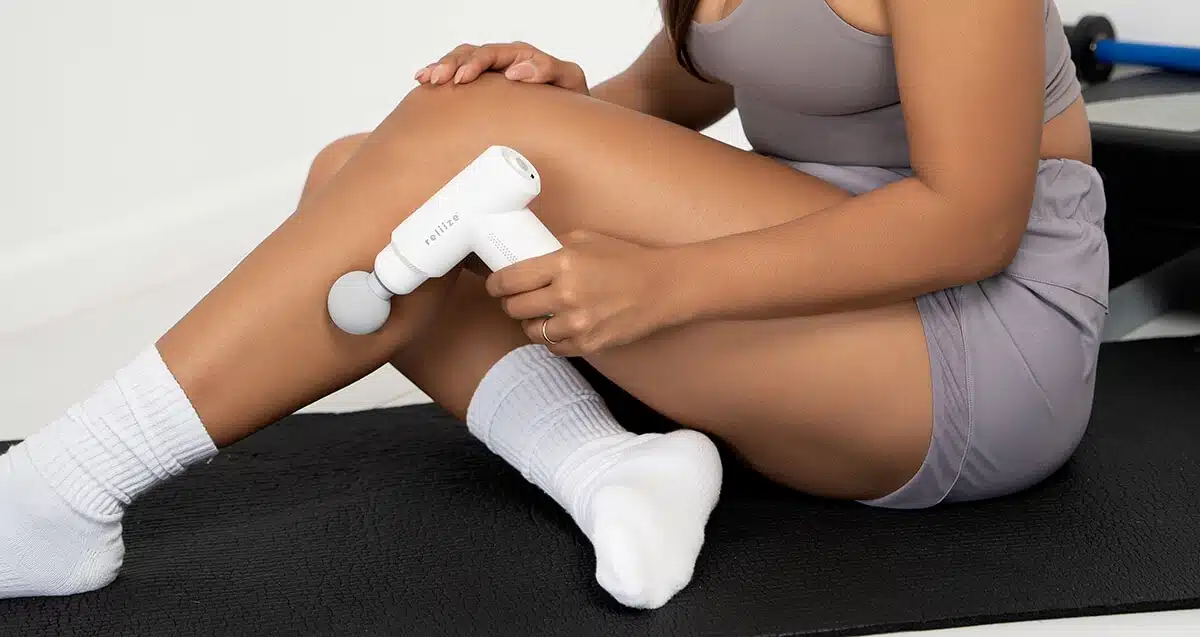
Start with the lowest speed and let the device do the work. You do not need to jam it into the muscle or force deep pressure. In most cases, light to moderate pressure is enough to help relax tight tissue and stimulate circulation. If the sensation makes you tense up or hold your breath, you are probably going too hard.
Use the massage gun on muscle, not bone, joints, or nerves. Good target areas include the quads, hamstrings, calves, glutes, upper back, lats, and the meaty part of the shoulders. Avoid the front of the neck, the spine itself, the bony points of the hips, knees, elbows, and any area that feels numb, inflamed, bruised, or sharply painful.
A useful rule is to keep the head moving slowly across the muscle for about 15 to 30 seconds per area, then reassess. For a larger muscle group, you might spend 1 to 2 minutes total. You are looking for the muscle to soften, not for pain to prove it is working.
Before a workout vs after a workout
How to use a massage gun depends on your goal. Before exercise, think of it as a warm-up tool. After exercise, think of it as a recovery tool.
Before a workout, use shorter passes on the muscles you are about to train. This can help you feel looser and more ready to move. Keep it brief, usually 10 to 20 seconds per area, and focus on activation rather than deep relaxation. If you spend too long on a muscle before training, you may feel a little flat instead of primed.
After a workout, you can slow down and spend a bit more time on sore or overworked areas. This is when many people enjoy a gentler, longer session, especially on the legs, glutes, and upper back. The goal here is to reduce post-workout tightness and help your body shift into recovery mode.
If your tension is not exercise-related, such as desk stiffness or stress-driven shoulder tightness, use the massage gun the same way you would after a workout. Slow, controlled passes tend to work better than aggressive pressure.
Choosing the right attachment
Most massage guns come with several heads, and each one feels different for a reason. You do not need to use every attachment, but choosing the right one can make the experience much more comfortable.
A round ball head is usually the best place to start. It works well on large muscle groups and gives a balanced, forgiving feel. A flat head is useful when you want broader contact on dense muscles like quads or glutes. A bullet head is more targeted and better for smaller spots, but it can feel intense very quickly, so it is best used carefully. A fork attachment is often used around larger muscles near the Achilles or traps, but you should still avoid direct contact with tendons and the spine.
If you are new to percussion therapy, stick with the round or flat head first. You can always get more targeted later, but it is easier to build confidence with a gentler setup.
Best body areas to treat
For the upper body, the traps, rear shoulders, and upper back are common trouble spots, especially for people who spend all day working at a laptop. Move slowly across the muscle fibers and pause on tight areas for a few seconds without pressing harder. On the chest and front shoulders, be more cautious. These areas can be sensitive, and less is usually more.
For the lower body, massage guns shine on the glutes, hamstrings, calves, and quads. These muscles often respond well to percussion, whether the soreness came from training, long walks, standing all day, or simply accumulated tension. On the feet, use a low setting with great care, or skip the area if it feels too sharp.
Your forearms can also benefit if you type, grip weights, or use your phone constantly. Keep the intensity low and avoid the wrist joint itself. Small muscles do not need the same force as larger ones.
Areas to avoid
This matters more than people think. A massage gun should never be used directly on the throat, front of the neck, face, head, spine, varicose veins, fresh injuries, or swollen joints. It is also not a smart choice over bruises, rashes, or areas that are healing.
If you have a medical condition such as neuropathy, a bleeding disorder, osteoporosis, recent surgery, or you are pregnant and unsure about device use, check with a qualified healthcare professional first. Percussion therapy can feel amazing, but safe use always comes first.
Common mistakes that make it less effective
The biggest mistake is going too hard too soon. People often assume that if a little pressure feels good, maximum speed and force must be better. Usually, the opposite is true. Muscles tend to relax more when the pressure feels manageable.
Another mistake is staying in one spot for too long. If you hover over a tender point for several minutes, you may irritate the area instead of helping it. Keep moving, and think of the session as a way to encourage the whole muscle to let go.
Using a massage gun on pain that has no clear muscular cause is another common misstep. If your discomfort feels sharp, electric, unstable, or deep in a joint, a massage gun may not be the answer. It works best for muscular tightness, stiffness, and soreness, not every kind of pain.
How often should you use a massage gun?
For most people, once a day is plenty for general wellness, and even a few times a week can make a noticeable difference. If you are using it after training, after long workdays, or on high-tension areas like the shoulders and calves, consistency usually matters more than session length.
A quick 5 to 10 minute routine often works better than a long, intense session you only do once in a while. This is one reason at-home wellness devices have become so popular. Relief is easier to maintain when it fits naturally into real life.
Building a simple routine that feels good
The easiest routine is the one you will actually use. Try a short session after work, after your workout, or before bed when your body starts signaling that it has had enough. Focus on two or three problem areas instead of trying to treat everything at once.
For example, if your day is mostly screen time, you might spend a minute on each shoulder, a minute on the upper back, and another minute on the forearms. If your tension is workout-related, give more time to the glutes, quads, hamstrings, and calves. Keep the intensity low enough that your body starts to relax instead of brace.
This is where a well-designed device makes a real difference. A smart massage gun should feel easy to hold, simple to control, and comfortable enough to become part of your regular recovery rhythm, not something that collects dust after a week.
When a massage gun is worth it
If you deal with recurring muscle tightness, post-workout soreness, or stress that settles into your body, a massage gun can be one of the most convenient wellness tools you own. It will not replace professional care when you need it, and it will not fix poor posture, skipped rest days, or chronic injuries on its own. But for everyday relief, faster recovery, and better body awareness, it can be a smart investment.
The real value is not just the technology. It is the freedom to get relief on your schedule, in your space, and in a way that feels simple enough to keep using. If you have been wondering how to use a massage gun, start gently, stay consistent, and let relief build over time.

