

wellness
Best Noninvasive Facial Treatments for Real Results

Oct
A tired face is not always a skincare problem. Screen time, short sleep, stress, dehydration, and jaw tension can show up as puffiness, dullness, fine lines, or skin that simply looks less refreshed than you feel. The best noninvasive facial treatments address those visible concerns without surgery, needles, or weeks away from your normal routine.
The right choice depends on what you want to change. Some treatments are designed for collagen support and firmer-looking skin. Others target uneven tone, breakouts, puffiness, or the tension that settles around the eyes and jaw after a long day. Results can be meaningful, but they are usually gradual. That trade-off is exactly what makes noninvasive care appealing: lower commitment, less downtime, and a routine you can realistically keep.
What makes a facial treatment noninvasive?
Noninvasive treatments work on or through the surface of the skin without breaking it. That means no incisions, injections, or surgical recovery. A treatment may use light, controlled heat, gentle electrical current, massage, cold therapy, or topical ingredients to support a specific goal.
This category includes both professional services and at-home devices. In-office treatments can deliver stronger, more targeted energy and may be a better fit for deeper wrinkles, significant laxity, scars, or persistent pigmentation. At-home care is usually more gradual, but it wins on convenience. Fifteen consistent minutes in your own space can be far easier to maintain than an appointment every few weeks.
The best noninvasive facial treatments by concern
LED light therapy for clearer, brighter-looking skin
LED light therapy is one of the most practical options for people who want a treatment that feels relaxing while supporting visible skin goals. Different wavelengths are used for different concerns. Red and near-infrared light are commonly used to support the appearance of firmer, more even, revitalized skin. Blue light is often used in acne-focused routines because it can help target acne-causing bacteria.
An LED face mask is especially useful for people who want consistency without adding another appointment to the calendar. It does not replace prescription acne care or erase deep wrinkles overnight. But when used as directed over several weeks, it can complement a simple skincare routine and help skin look more rested and balanced.
For best results, start with clean, dry skin unless your specific device says otherwise. Use it consistently, protect your skin from sun exposure during the day, and give the process time. The glow comes from repetition, not one marathon session.
Microcurrent for a temporarily lifted appearance
Microcurrent devices use low-level electrical current to stimulate facial muscles. The immediate appeal is easy to understand: after a session, some people notice a more sculpted, awake-looking appearance, particularly around the cheeks, jawline, and brows.
The catch is maintenance. Microcurrent is not a permanent facelift, and its effects can fade if you stop using it. It is best for someone who enjoys a regular self-care ritual and wants subtle, camera-ready definition rather than a dramatic structural change.
Use conductive gel exactly as instructed so the current can move comfortably across the skin. Anyone with an implanted electrical device, certain medical conditions, or concerns about safety should get clearance from a qualified clinician before trying microcurrent.
Radiofrequency for gradual firmness
Radiofrequency treatments use controlled heat to encourage collagen remodeling in the deeper layers of the skin. They are often chosen for mild to moderate laxity around the lower face, jawline, neck, and cheeks. Professional radiofrequency generally produces more noticeable changes because the technology is stronger and treatment settings can be customized.
At-home radiofrequency devices can be a convenient alternative, but expectations matter. They are usually designed for gradual, modest improvement, and they require careful adherence to instructions to avoid overheating or irritation. If loose skin is your main concern and you want the most significant possible change without surgery, a consultation with a licensed provider is worth considering.
Facial massage and lymphatic-style drainage for puffiness
Puffiness can make your face look tired even when your skin is healthy. Gentle facial massage can temporarily improve circulation, ease facial tension, and help move fluid that tends to collect around the eyes and cheeks. It is one of the most accessible treatments because it requires very little: clean hands, light pressure, and a few intentional minutes.
A cooling tool can make the experience feel even more refreshing, especially in the morning. If your puffiness is linked to allergies, poor sleep, or a salty dinner, massage may help the look of it, but it will not address the root cause. Persistent or one-sided swelling should be evaluated by a medical professional.
For a calming ritual, apply a little facial oil or moisturizer for slip and move from the center of the face outward with feather-light pressure. Avoid aggressive rubbing. More force does not mean better drainage, and pulling at delicate skin can cause irritation.
Heat and eye-area massage for tension-related fatigue
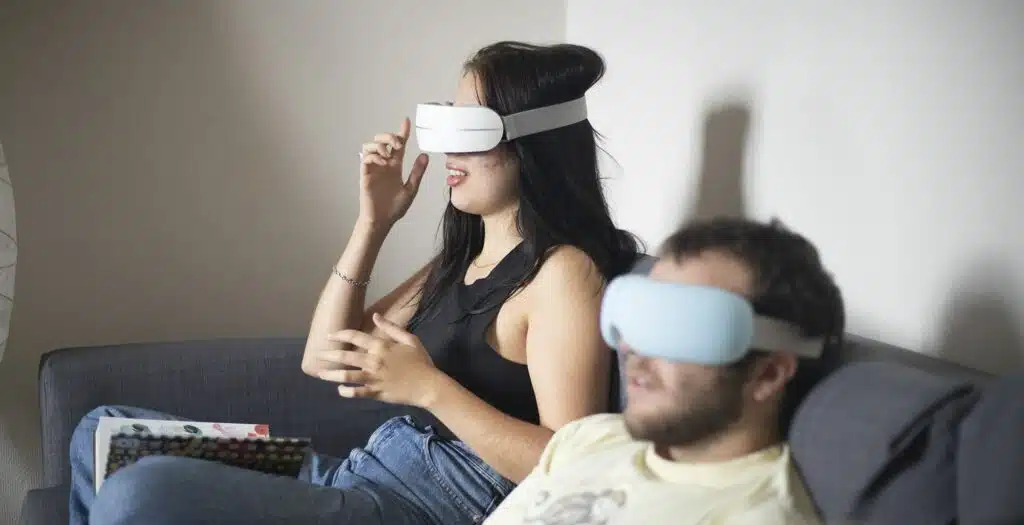
The eye area often carries the first signs of a screen-heavy day. Squinting, stress, headaches, and poor sleep can leave the area feeling tight and looking puffy. Gentle warmth and a massage designed for the brow, temples, and eye contour can help you shift out of that tense, overworked state.
This is not a cure for medical eye conditions or chronic headaches. It is a comfort-focused treatment that can support relaxation before bed or after hours of close-up work. A smart eye massager can be particularly appealing when you want the spa-like feel of heat, air pressure, and rhythmic massage at home. Reliize designs this type of wellness technology for people who want relief built into a realistic daily routine.
Keep the goal in perspective: relaxed facial muscles can make you look more refreshed, but they are not a substitute for sleep, hydration, vision care, or professional medical advice when symptoms persist.
Chemical exfoliation for smoother texture and more even tone
Chemical exfoliants can be among the best noninvasive facial treatments for dullness, rough texture, clogged pores, and uneven-looking tone. Alpha hydroxy acids, such as glycolic or lactic acid, work on the skin surface. Beta hydroxy acid, commonly salicylic acid, can be especially helpful for oily or congestion-prone skin because it works inside pores.
This is one area where restraint pays off. Over-exfoliation can weaken the skin barrier, cause burning and peeling, and make redness or dark marks more noticeable. Start slowly, especially if you are also using retinoids, acne treatments, or LED therapy. Daily sunscreen is non-negotiable because freshly exfoliated skin is more vulnerable to sun damage.
Professional chemical peels can go further than at-home formulas, but they also bring more recovery time and a greater need for expert guidance. Deeper peels are not a casual beauty experiment.
How to choose the right treatment for your face
Start with the concern that bothers you most, not the device or trend you saw online. If your goal is a calmer, less puffy appearance, massage, cooling, and better sleep habits may be enough. If you want to support brightness and mild fine lines, LED therapy and a thoughtful skincare routine can be a strong combination. If you are focused on texture or clogged pores, exfoliation may offer more visible value than another gadget.
Then consider your tolerance for upkeep. A professional treatment may be more powerful but requires appointments and a larger upfront cost. An at-home device can fit your life better, but only if you will actually use it. The best choice is often the one you can repeat consistently without stressing your skin or your schedule.
Avoid stacking every treatment at once. A new mask, acids, retinoids, and heat device all in the same week can leave you with irritation instead of results. Introduce one change at a time, patch test topical products, and take progress photos in the same lighting every few weeks. Your mirror can be unreliable on a stressful Tuesday.
When professional guidance matters
Noninvasive does not automatically mean risk-free. Speak with a dermatologist or qualified provider if you have melasma, rosacea, eczema, active infections, unexplained discoloration, a history of keloid scarring, or if you are pregnant or managing a medical condition. The same applies if you are considering energy-based treatments such as radiofrequency.
A good provider will not promise a new face in one visit. They will explain what a treatment can improve, what it cannot, how many sessions you may need, and what recovery or maintenance looks like. That level of honesty is part of getting results you will feel good about.
Your face does not need a dramatic overhaul to look more like you. A few quiet minutes of light therapy, gentle massage, or targeted care can become a daily signal that you are allowed to pause, reset, and show up feeling refreshed.
