
wellness
7 Best Massage Tools for Runners and Recovery

Sep
A hard run can leave your legs feeling like they are carrying the course home with them. Tight calves, heavy quads, sore glutes, and tender feet are common after hill repeats, long runs, or simply increasing your mileage. The best massage tools for runners can make recovery feel more manageable at home, helping you create a calming routine when a spa appointment is not realistic.
The right tool is not necessarily the most intense one. It is the one that matches the area you need to address, feels comfortable enough to use consistently, and fits into your actual post-run schedule. Here is how to choose recovery tools that help you move from “everything feels tight” to ready for your next run.
1. Massage guns for larger, tired muscles
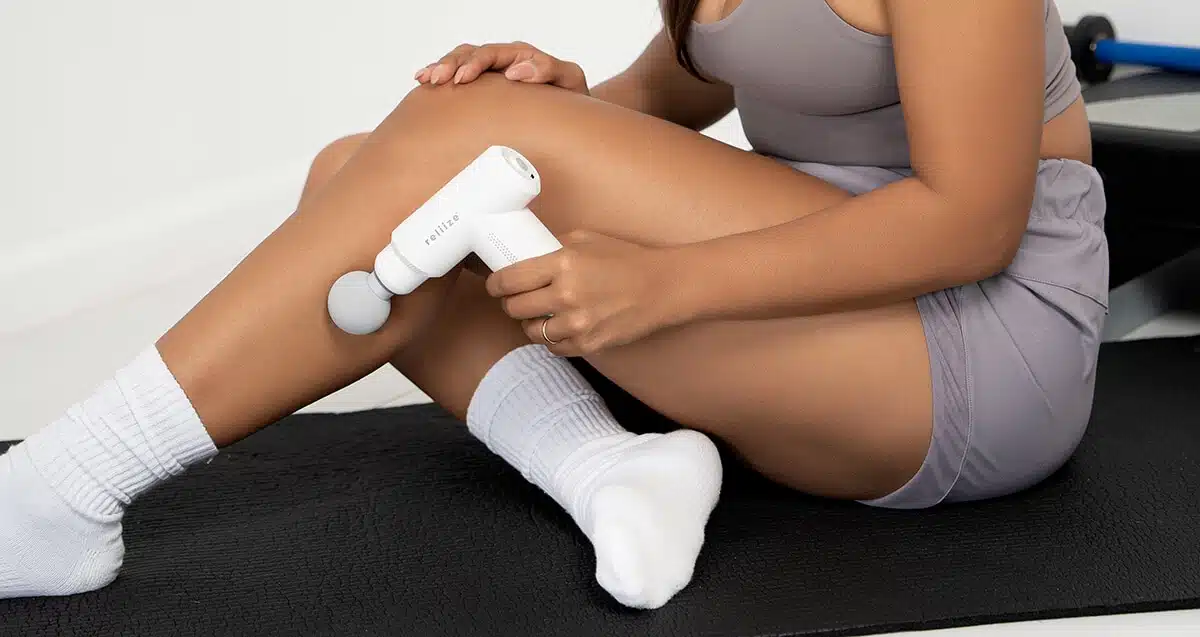
A massage gun is often the most versatile choice for runners. Its rapid percussion is designed to deliver a targeted sensation to broad muscle groups, making it especially useful for the calves, hamstrings, quads, glutes, and hips.
Use a soft or round attachment and begin at a low setting. Slowly glide across the muscle belly rather than holding the device in one painful spot. One to two minutes per area after a run is usually plenty for a quick reset, while a slightly longer session may feel good on a rest day.
The major advantage is convenience. You can sit on the edge of the couch and work through tired legs without contorting yourself over a roller. The trade-off is that more force is not always better. Avoid using a massage gun directly over bones, joints, the front or side of the neck, varicose veins, bruises, or areas of sharp pain.
2. Foam rollers for broad, controlled pressure
A foam roller remains a runner’s recovery classic for good reason. It lets you use your body weight to create broad, adjustable pressure through the calves, quads, upper back, and glutes. It is also a simple way to slow down after training instead of rushing directly from workout mode into the rest of your day.
A smooth, medium-density roller is a smart starting point if you are new to self-massage or tend to be sensitive after hard efforts. Textured and firm rollers can provide a more intense feeling, but they are not automatically more effective for everyone. If you tense up and hold your breath while rolling, ease off.
For your calves, support yourself with your hands behind you and roll from just above the ankle to below the knee. For quads, use your forearms to control how much weight you place on the roller. Move slowly, and never roll directly over the kneecap or lower-back spine.
3. Massage balls for glutes, hips, and pinpoint tension
Some running tightness hides in places a foam roller cannot easily reach. A massage ball gives you more precise control for the glutes, the muscles around the hips, the upper back, and the soles of the feet.
Place a ball between your body and a wall if you want a gentler option. On the floor, the pressure becomes stronger, which can be helpful for larger glute muscles but may be too much for sensitive areas. A few slow passes are often more productive than trying to force a deep release.
For runners who spend much of the workday seated, this small tool earns its place. Hip and glute discomfort can feel especially noticeable when you alternate between long hours in a chair and high-impact training. A ball takes almost no storage space and can travel in a gym bag or suitcase.
4. Foot rollers for tired soles and arches
Your feet absorb a lot with every stride, yet they are easy to overlook. A foot roller, massage ball, or chilled recovery roller can offer welcome relief after pavement-heavy runs, long shifts on your feet, or races.
Roll from the heel toward the ball of the foot with light, steady pressure. Spend extra time where the arch feels tired, but do not dig aggressively into a sore point. If your foot pain is sharp, persistent, swollen, or changes how you walk, stop self-treating and check in with a qualified health professional.
A foot roller is particularly easy to build into your evening routine. Use it while answering emails, watching a show, or waiting for dinner to cook. Consistency matters more than turning every recovery session into an endurance event.
5. Smart cupping massagers for heat and suction
For runners who enjoy a deeper, more spa-like recovery experience, a smart cupping massager can be a compelling addition. These devices typically combine gentle suction with features such as heat, vibration, or red-light-style wellness settings, creating a soothing sensation across larger muscle areas.
Cupping-style devices can feel especially satisfying on the calves, thighs, and shoulders after a demanding training week. Start with a lower suction level, particularly if you are new to cupping. The goal is comfort and relaxation, not a badge of toughness.
Be aware that suction can leave temporary circular marks. Skip cupping over broken skin, irritated areas, or places that bruise easily. It is also wise to avoid it if you have a blood-clotting condition, take blood-thinning medication, or have any concern that calls for medical guidance first.
6. Heated massagers for recovery that feels restorative
Heat will not replace smart training, sleep, hydration, or proper fueling, but it can make a tense body feel more relaxed. A heated massager can be a great choice on recovery days or in the evening, especially when your legs feel stiff from sitting after a run.
Look for a device with adjustable heat and automatic shutoff. Gentle warmth paired with massage can help turn your recovery window into a true wind-down ritual rather than another task on your to-do list.
Save high-intensity heat for when there is no fresh swelling or acute injury concern. After a new injury, sudden pain, or a visibly swollen area, heat and deep massage may not be the right first move. Listen to your body and seek professional support when symptoms do not improve.
7. Manual massage sticks for quick calf and quad relief
A massage stick is an underrated tool for runners who want more control than a foam roller provides. It is compact, easy to use while seated, and particularly helpful for rolling through the calves, quads, and hamstrings after a run.
Because you control the pressure with your hands, a stick is a practical option when your legs are sore but you do not want to put your full body weight on a roller. It also works well before an easy run as part of a brief warm-up, using light passes to help you feel loose and ready to move.
How to choose the best massage tools for runners
Start with the part of recovery that feels hardest to manage. If your legs are generally heavy after training, a massage gun or foam roller offers broad coverage. If your feet and hips are your trouble spots, add a ball or foot roller. If you want your routine to feel more like at-home self-care than a quick fix, a heated or smart cupping device can add a more relaxing layer.
You do not need every tool. A strong, realistic setup might be a massage gun for your legs, a massage ball for glutes and feet, and a recovery device with heat for rest-day relaxation. Reliize recovery technology is designed around that same idea: bringing comforting, targeted wellness rituals into the moments when you need them most.
A simple post-run massage routine
After an easy run, keep it light. Spend a minute per muscle group with a massage gun or roller, then use a ball under each foot for a few gentle passes. The purpose is to transition out of the run, not to chase intensity.
After a long run or harder workout, give yourself 10 to 15 minutes later in the day. Work through calves, quads, hamstrings, and glutes with moderate pressure, then use warmth or a relaxing massage setting as you settle down for the evening. Pair it with water, a balanced meal, and sleep for a recovery routine that supports the bigger picture.
The best recovery tool is the one you will reach for before tightness becomes the reason you skip a run. Keep it visible, keep the pressure sensible, and give your body a few unhurried minutes to feel cared for after every mile.

