

wellness
Best Eye Massager for Migraines: What Helps

May
When a migraine starts building behind your eyes, even small things can feel unbearable – bright light, screen glare, pressure in your temples, the tension that creeps across your forehead and refuses to let go. That is why so many people searching for the best eye massager for migraines are not looking for a luxury gadget. They want something that feels easy to use, calming, and genuinely helpful when their eyes and head need a break.
The tricky part is that not every eye massager is built for migraine-prone users. Some are designed mainly for general relaxation. Others focus on beauty benefits or simple eye fatigue. If migraines are your main concern, the best option usually comes down to comfort, pressure control, heat settings, noise level, and how well the device supports rest without overstimulating you.
What makes the best eye massager for migraines different?
An eye massager can help create a more soothing environment for recovery, but it is not a cure for migraines. That distinction matters. If you deal with frequent or severe migraines, any device should be viewed as a comfort and support tool, not a medical replacement.
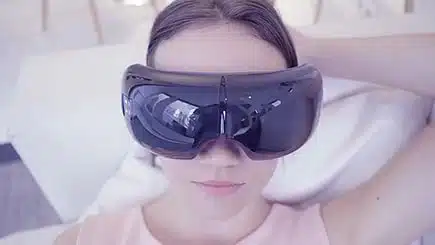
What separates a better choice from a disappointing one is how well it works with a sensitive nervous system. During a migraine, your tolerance for sound, pressure, and sensation may drop fast. A device that feels amazing during a normal evening wind-down can feel irritating when symptoms hit. The best eye massager for migraines tends to offer adjustable air compression, gentle heat, and a soft fit around the eye area without feeling heavy or aggressive.
This is where smart wellness devices stand out. Instead of a one-note massage experience, they let you control intensity and tailor the session to how you feel that day. For someone with screen-related eye strain, that flexibility can be the difference between temporary comfort and immediate regret.
The features that matter most
If your goal is migraine relief support, heat is often the first feature worth paying attention to. Gentle warmth around the eye area and temples can feel deeply relaxing, especially when tension is part of the picture. But hotter is not always better. Some people find heat comforting, while others prefer only a mild warming effect. Adjustable heat gives you more room to find what feels right.
Air compression is another big one. A well-designed device uses rhythmic pressure to create a soothing massage around the eyes, brow bone, and temples. This can be especially appealing if your migraines tend to come with tightness around the forehead. The key is moderation. Strong compression may feel too intense during an active migraine, so devices with multiple settings are a safer bet.
Vibration can be helpful, but this is where personal preference matters most. Some users love a light pulsing sensation because it helps them relax. Others find it overstimulating. If you are migraine-prone, it is smart to choose a model where vibration can be lowered or turned off entirely.
Noise level is easy to overlook until you are already in pain. A loud motor or distracting audio feature can ruin the experience fast. The best products for this category usually prioritize a quieter operation that supports rest rather than competing with it.
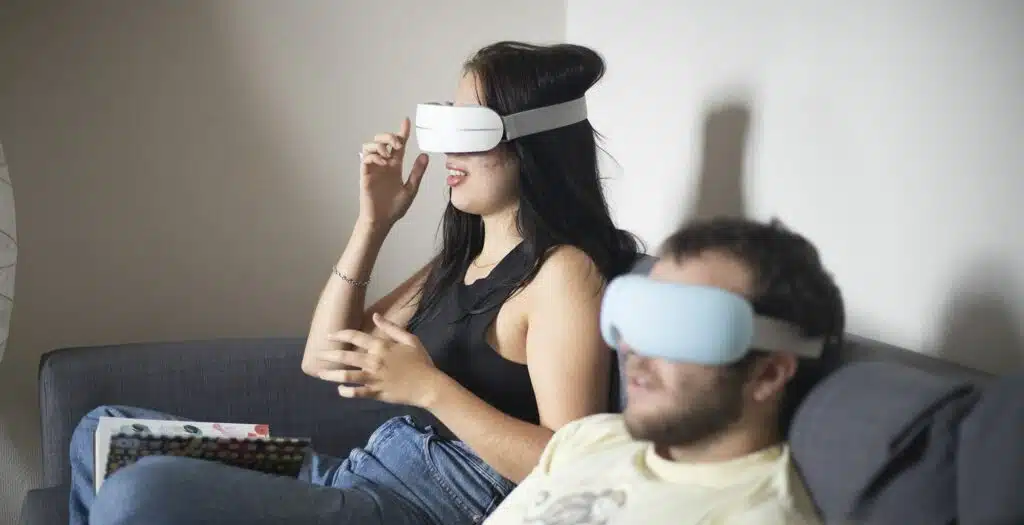
Fit also matters more than people expect. If an eye massager presses awkwardly against the bridge of your nose, feels too tight around your head, or shifts during use, you are less likely to reach for it when you need it most. A foldable, lightweight design can make at-home use more convenient, but comfort should still come first.
Eye strain migraines vs. classic migraines
Not every migraine experience looks the same, and that affects what kind of eye massager may help you relax. If your symptoms are often triggered by long hours on a laptop, poor sleep, or visual fatigue, an eye massager with heat and gentle compression may fit naturally into your routine. It can become part of how you decompress after work, reducing the buildup of eye tension that often pushes discomfort further.
If you experience classic migraines with strong nausea, severe sensitivity to touch, or worsening pain with external stimulation, your needs may be different. In those cases, the best device is often the one that stays very gentle. More pressure, more vibration, and more features do not automatically mean more relief.
That is the real trade-off shoppers should keep in mind. A feature-packed eye massager may sound impressive, but for migraine support, simpler and more adjustable is often better than stronger and more intense.
When an eye massager helps most
For many people, timing is everything. An eye massager may feel best at the first sign of pressure behind the eyes, after a long day of screen exposure, or during the wind-down period when stress is still sitting in your face and scalp. Used this way, it can help signal your body to slow down.
It may also fit well into an evening routine if poor sleep tends to make your headaches worse. Warm compression around the eyes can encourage relaxation before bed, especially if you are trying to cut back on screen time and create a calmer transition into sleep.
What it may not do is feel comfortable at the peak of every migraine. Some attacks are simply too intense. If touch, sound, or heat usually bothers you during the worst phase, you may end up using the device more as a preventive comfort tool than a rescue tool. That is still valuable. Relief is not always about one dramatic fix. Sometimes it is about reducing the buildup that makes bad days more frequent or harder to recover from.
How to choose without overpaying
A higher price does not always mean a better experience. In this category, a premium feel should come from better adjustability, comfort, and ease of use – not extra gimmicks. If you are comparing options, focus on whether the device offers multiple massage modes, controllable heat, a soft interior, and a design that supports everyday use.
Battery life and portability matter too, especially if you want to use it at home, in a dark room, or while traveling. A foldable design can be convenient, but only if it still feels sturdy and balanced when worn.
This is also one area where a satisfaction guarantee can make a difference. Migraine relief is personal. What feels soothing for one person may not work for another. A brand that understands this and reduces the risk of trying a device makes the purchase feel much more practical. That is part of why modern wellness brands like Reliize appeal to people who want effective relief at home without committing to expensive treatments or complicated routines.
The best eye massager for migraines is the one you will actually use
There is no universal best model for every migraine sufferer, because symptoms, triggers, and sensory tolerance vary so much. But there is a clear pattern in what tends to work best. Look for gentle heat, adjustable compression, low noise, and customizable settings that let you keep things calm.
If your headaches are tied to eye fatigue and stress, an eye massager can become more than an occasional comfort buy. It can be part of a smarter self-care routine that helps you reset before discomfort snowballs. That is where these devices really earn their place – not as miracle products, but as accessible, at-home tools that make relief feel closer and more convenient.
A good choice should feel reassuring the moment you put it on. Not flashy. Not overwhelming. Just comfortable, simple, and supportive when your eyes and mind need relief the most.
A few smart expectations before you buy
It helps to go in with the right mindset. The best results usually come from consistency and fit, not from expecting one 15-minute session to erase every migraine. If a device helps you relax, supports better downtime, and gives your eyes a break from constant strain, that is already meaningful progress.
And if you are deciding between a more intense massage experience and a gentler smart eye massager, migraine-prone users are often happier with the gentler option. When your nervous system is already overloaded, comfort wins. Choose the device that makes it easier to rest, not the one that promises the most sensation.

