
wellness
Head Massagers for Better At-Home Relief

Oct
That tight, tired feeling at the top of your head rarely arrives alone. It often shows up after a packed day of meetings, hours of scrolling, a stressful commute, or a restless night. Head massagers offer a simple way to step out of that pressure cycle without booking a spa appointment or rearranging your schedule.
A few intentional minutes can turn the space between finishing work and going to bed into a real reset. The right device does more than feel good in the moment. It creates a repeatable ritual that tells your body it is time to slow down, breathe deeper, and let the day go.
What Head Massagers Actually Do
Head massagers use moving nodes, rotating attachments, vibration, air pressure, or a combination of these sensations to stimulate the scalp and surrounding areas. Depending on the design, they may focus on the crown of the head, temples, forehead, or the base of the skull, where many people carry stress-related tension.
The immediate appeal is sensory: gentle kneading or rhythmic pressure can feel deeply calming after mental overload. Massage may also encourage circulation in the scalp and help relax tense muscles around the head and neck. For people whose days are dominated by screens, deadlines, and notifications, that physical shift can make it easier to transition into a calmer evening routine.
Results vary from person to person. A head massager is not a cure for migraines, chronic pain, hair loss, or a medical condition. But for ordinary tightness, stress, and the need for a few quiet minutes, it can be a practical at-home wellness tool.
Why a Scalp Massage Feels So Restorative
Your scalp has plenty of nerve endings, which is one reason even a brief scalp massage can feel surprisingly powerful. When pressure is comfortable and consistent, it gives your attention something simple to focus on. That can interrupt the familiar loop of racing thoughts and physical tension.
There is also a routine effect. If you use your massager after work, before sleep, or while listening to a calming playlist, your brain begins to associate that moment with rest. Over time, the device becomes less about chasing a quick fix and more about protecting a pocket of recovery in your day.
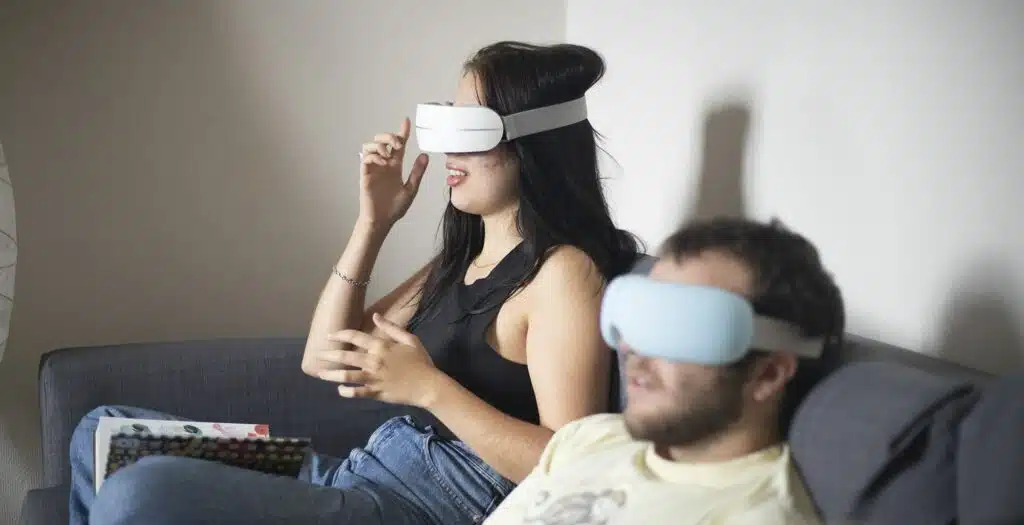
Many users also enjoy head massage as part of a broader self-care routine. Pair it with an eye massager after a screen-heavy day, or use it before a warm shower when your shoulders and scalp feel especially tense. Small rituals are easier to maintain when they feel enjoyable, not like another task on the calendar.
Choosing Head Massagers That Fit Your Routine
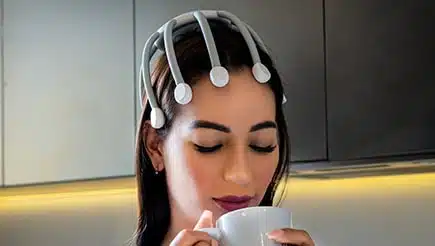
The best choice depends on the kind of relief you want and how you prefer to use it. Manual wire-style scalp massagers are inexpensive and portable, but they rely on your hand movement and deliver a light, tingling sensation. They can be great for a quick lift, though they may not provide the steady pressure some people want after a demanding day.
Electric scalp massagers typically use soft rotating nodes that mimic fingertip kneading. They are a strong option if you want hands-free consistency and deeper-feeling stimulation. Look for soft, skin-friendly attachments, multiple intensity settings, and an ergonomic grip or wearable design. More intensity is not always better. A setting that feels soothing for ten minutes is usually more valuable than one that feels overly aggressive after two.
For a more immersive experience, 360-degree head massagers can combine several massage zones and smart settings in one device. This style is especially appealing if you want a spa-inspired escape at home, rather than a quick scalp scratch. A device such as the Reliize 360° Head Massager is designed for people who want guided comfort without needing an appointment, complicated setup, or a separate recovery routine.
Battery life and charging style matter more than they seem. A device that is easy to charge and simple to clean is more likely to stay in regular use. If you have thick, curly, long, or easily tangled hair, pay close attention to the design of the massage nodes and whether the device is intended for use on dry hair, wet hair, or both.
Features Worth Paying Attention To
Comfort should come first. Soft silicone nodes tend to be gentler on the scalp than hard plastic, while adjustable speeds let you match the massage to your mood. Low settings may be ideal before bed; a moderate setting can feel better when you are trying to shake off an afternoon slump.
Water resistance is useful if you like scalp massage in the shower, but only if the product specifically supports wet use. Do not assume every electric device belongs near water. If relaxation is your priority, consider features such as timed sessions, quiet operation, and easy controls that do not require you to keep checking buttons mid-massage.
How to Use a Head Massager for Real Relief
Start with a clean, comfortable setting. Sit back, lower your shoulders, and choose a low intensity for your first session. Place the device lightly against your scalp rather than pressing it in. Let the nodes do the work.
Move slowly across the crown, sides of the head, and back of the scalp, spending a little more time in areas that feel tight. If your device is wearable, settle into a supported position and allow yourself to be still. Five to 15 minutes is enough for most people. Longer is not automatically more effective, particularly if your scalp feels sensitive.
For a more complete wind-down, use your head massager after closing your laptop and putting your phone aside. Dim the lights, take a few slow breaths, and resist the urge to turn the session into more multitasking. The goal is not simply stimulation. It is a moment of relief your nervous system can recognize.
If you use hair oils or treatments, check the device instructions first. Some attachments are easy to rinse, while others should stay dry. Regular cleaning helps keep oils, styling product, and buildup from collecting around the massage nodes.
When to Be Cautious
A gentle head massage should not hurt. Stop using the device if you experience pain, dizziness, increased headache symptoms, skin irritation, or unusual discomfort. Avoid massaging over open cuts, rashes, sunburn, recent surgical areas, or active scalp infections.
If you get frequent severe headaches, have a diagnosed neurological condition, are recovering from a head injury, or have questions about circulation or skin health, talk with a qualified healthcare professional before adding a massage device to your routine. The same applies if you are using a device to manage persistent symptoms rather than everyday stress.
There is a trade-off with any wellness tool: a premium device can offer more settings and a more immersive experience, while a simple manual massager may be all you need for occasional relaxation. Choose based on what you will realistically use. The most effective self-care device is the one that earns a place in your actual life.
Make Relief a Habit, Not a Rare Treat
You do not need an hour-long routine to feel more cared for. Keep your head massager near your favorite chair, bedside table, or work-from-home setup so it is easy to reach when tension starts building. A short session after a difficult call or before sleep can be enough to change the tone of the next part of your day.
Your well-being does not have to wait for a vacation, a spa day, or the perfect free evening. Give yourself a few quiet minutes, listen to what your body needs, and let that small act of comfort become a habit you look forward to.

